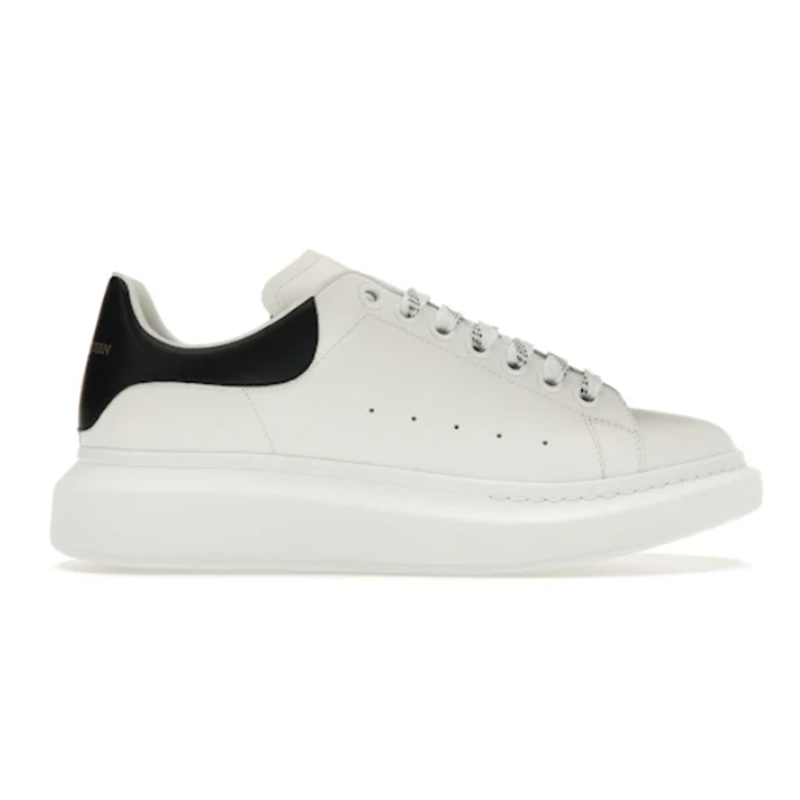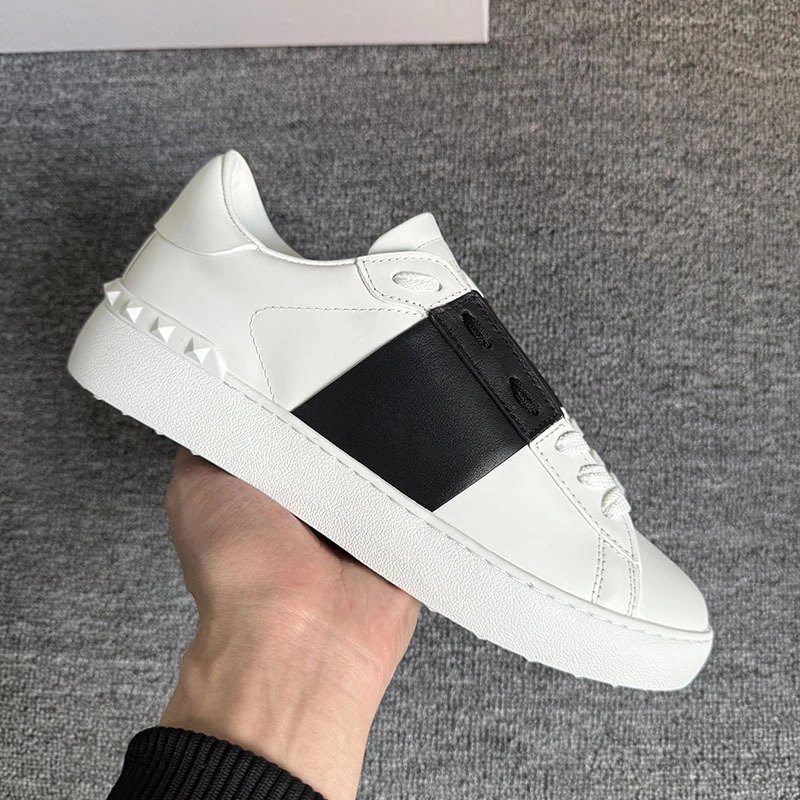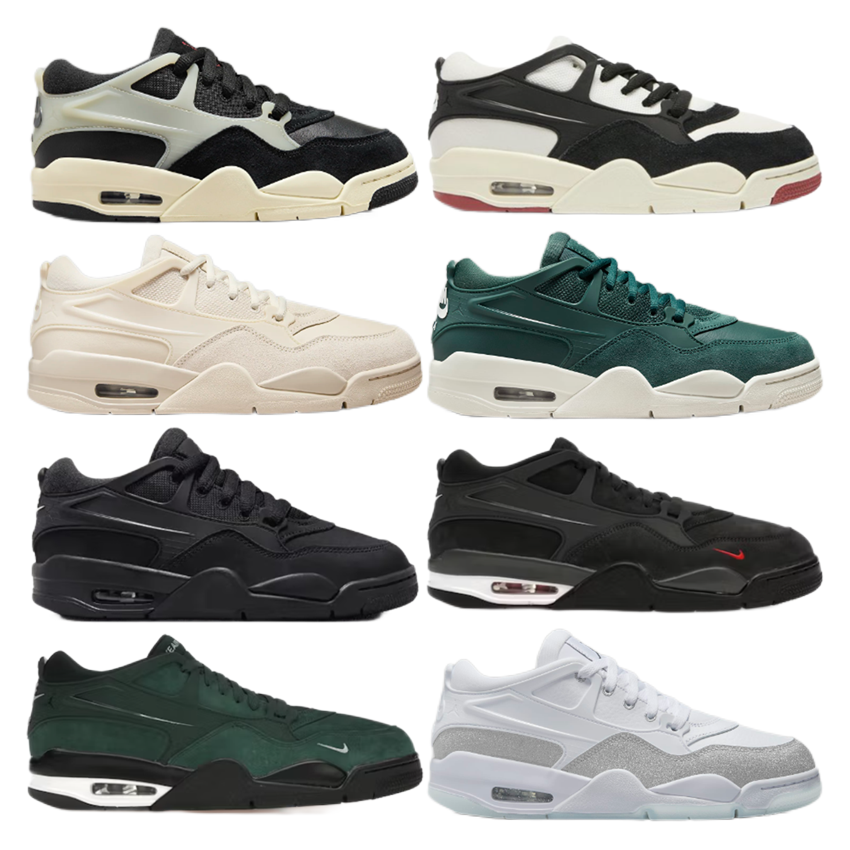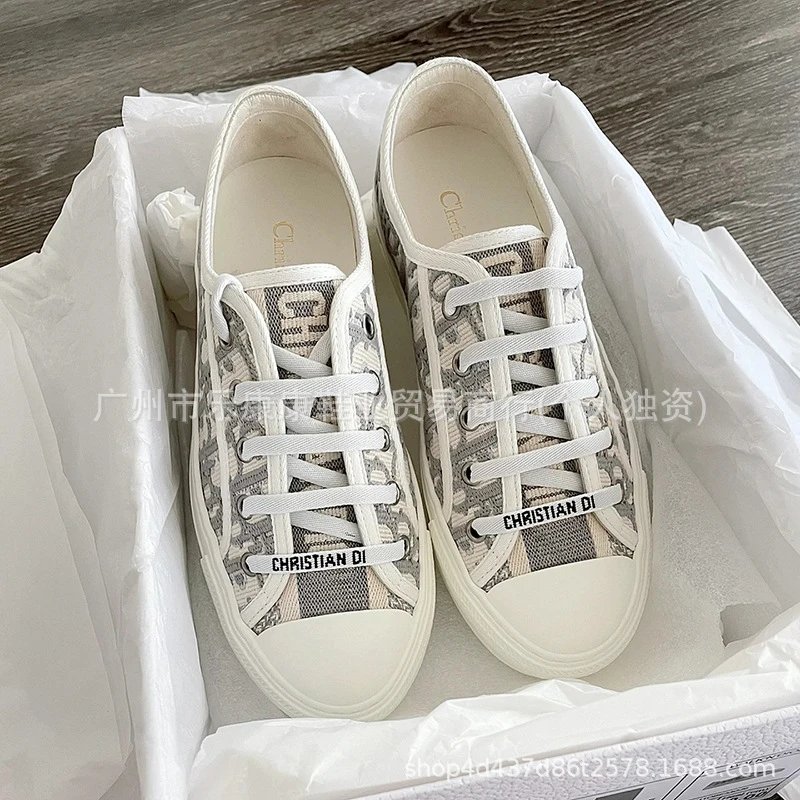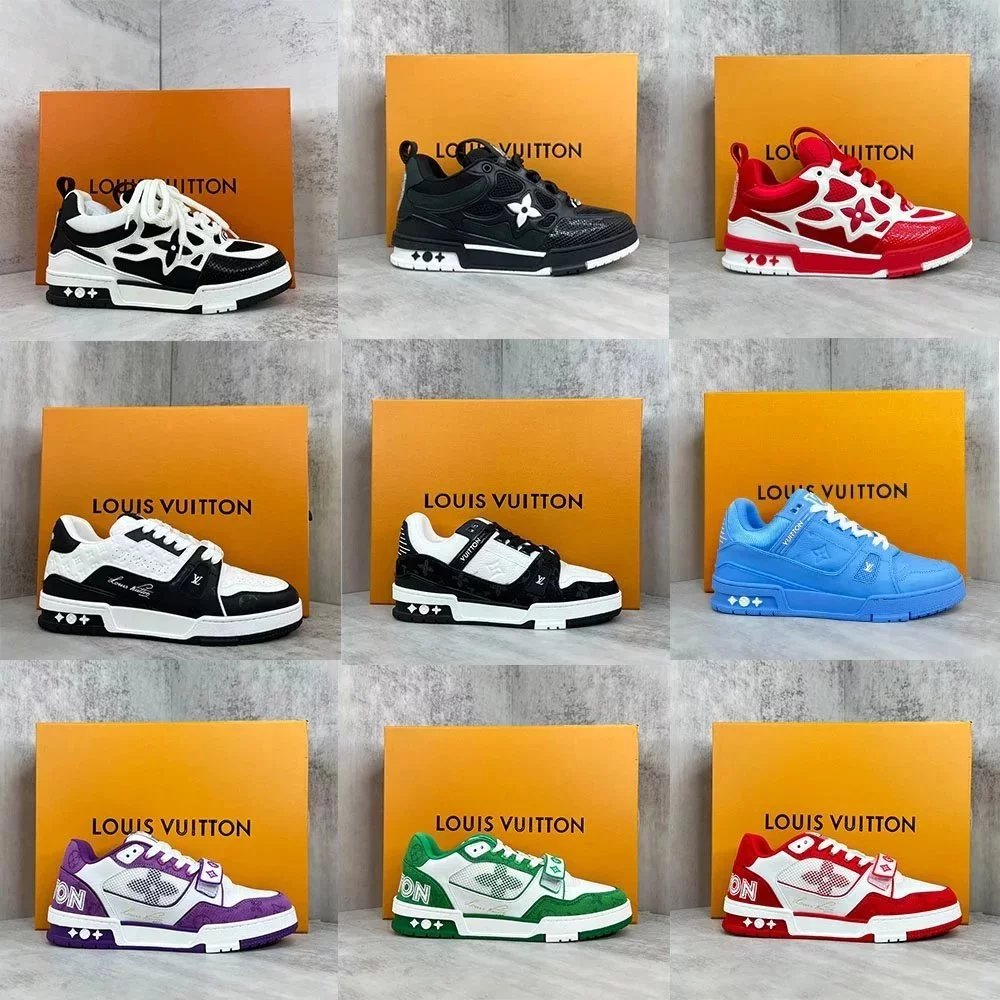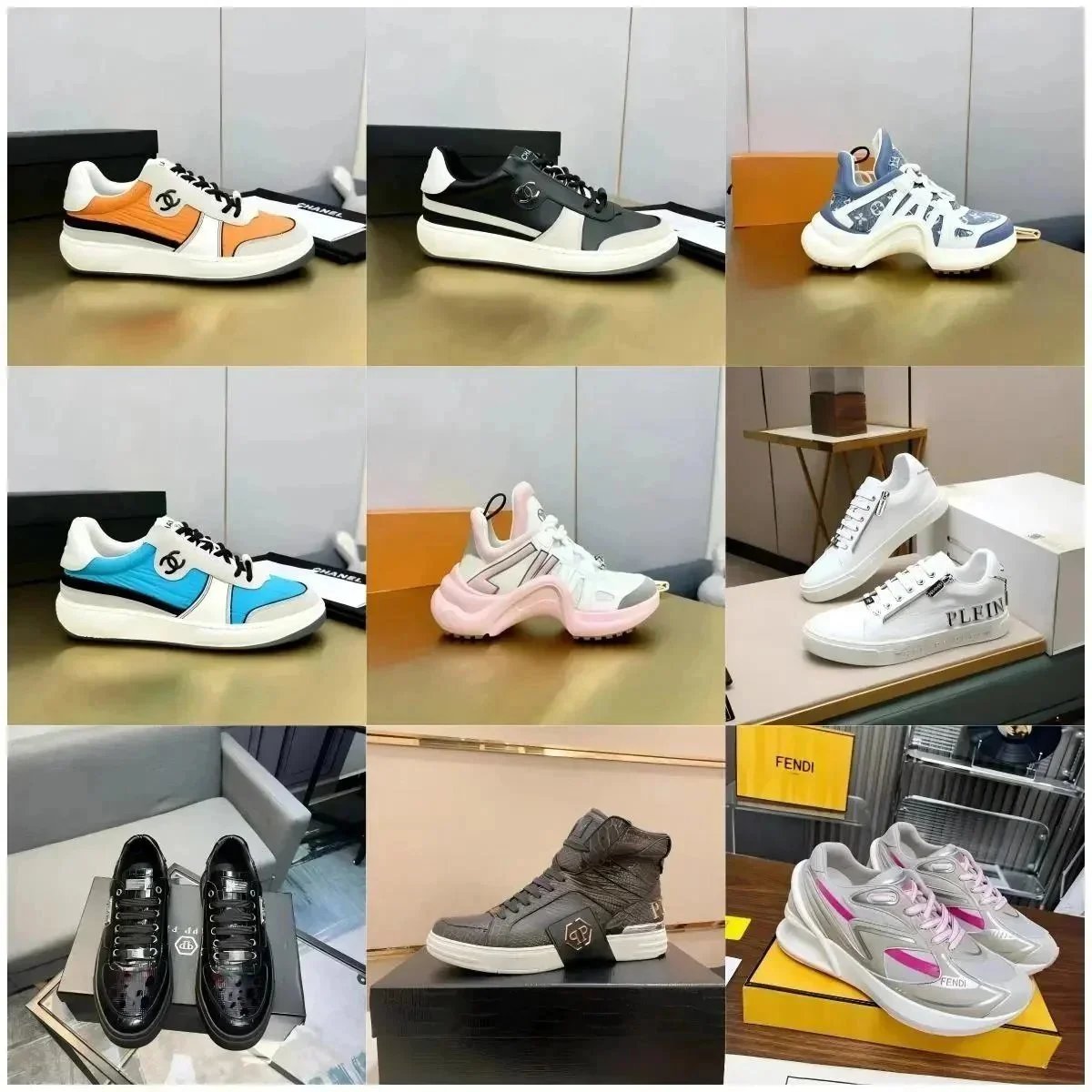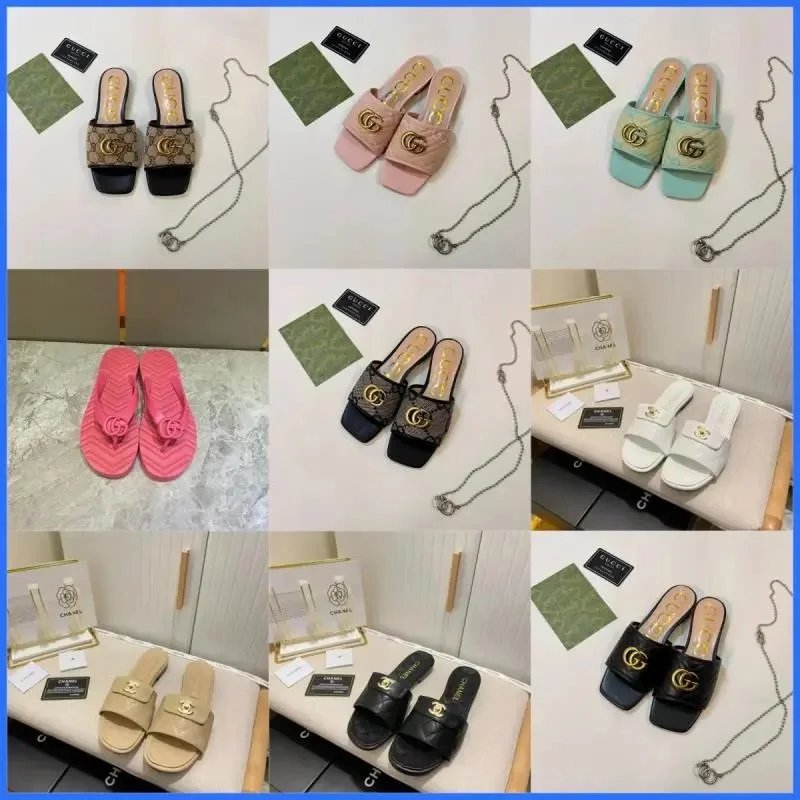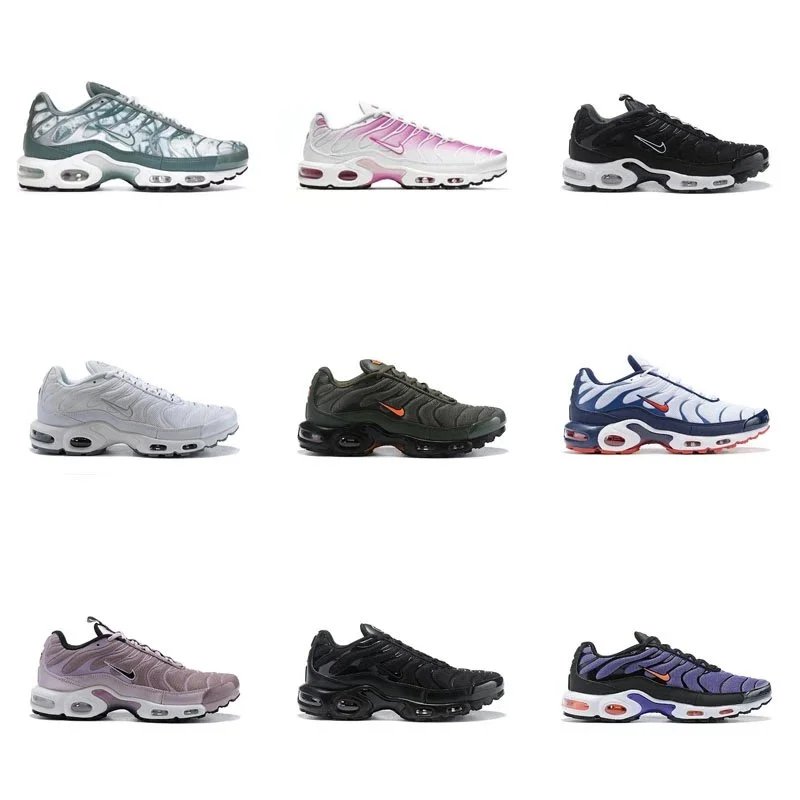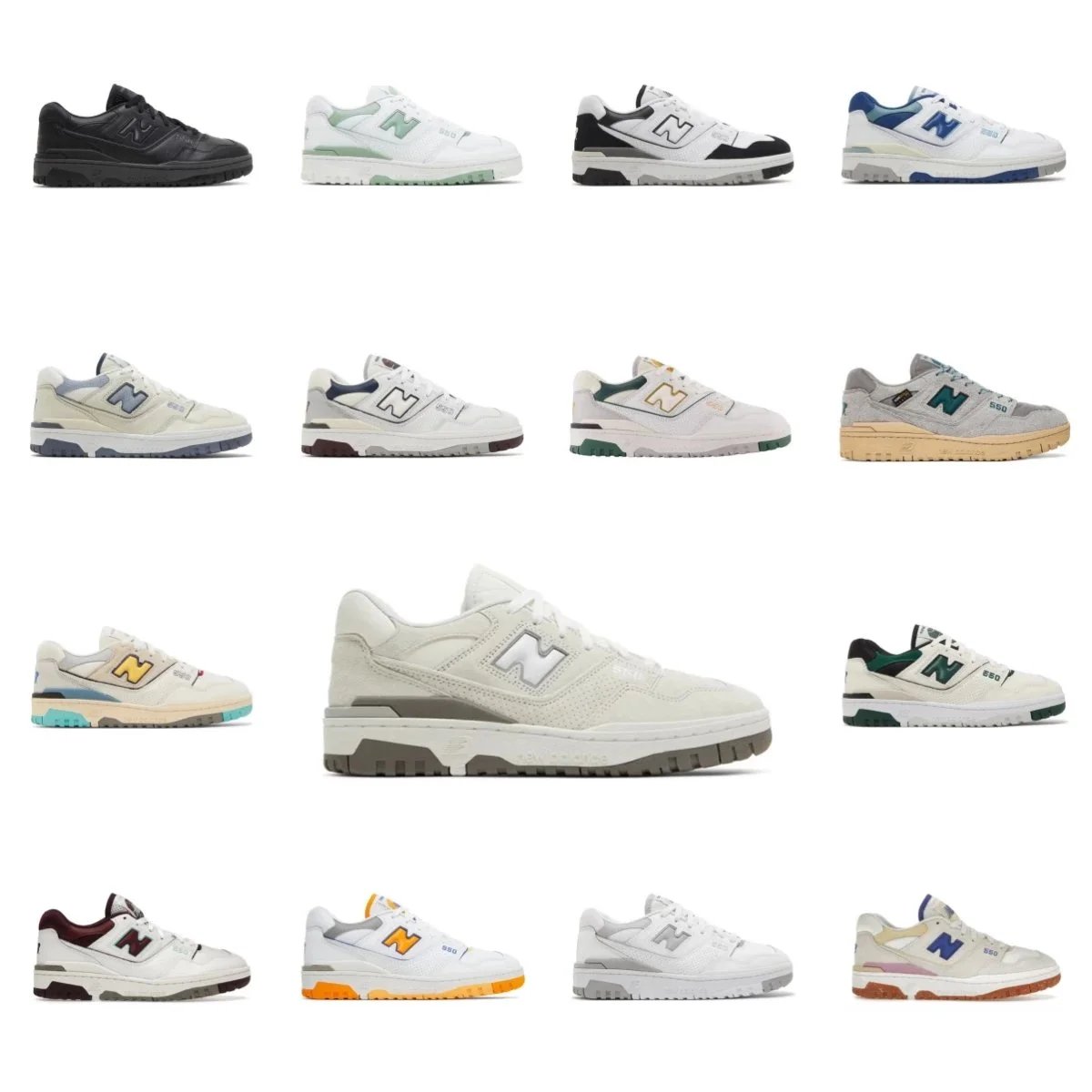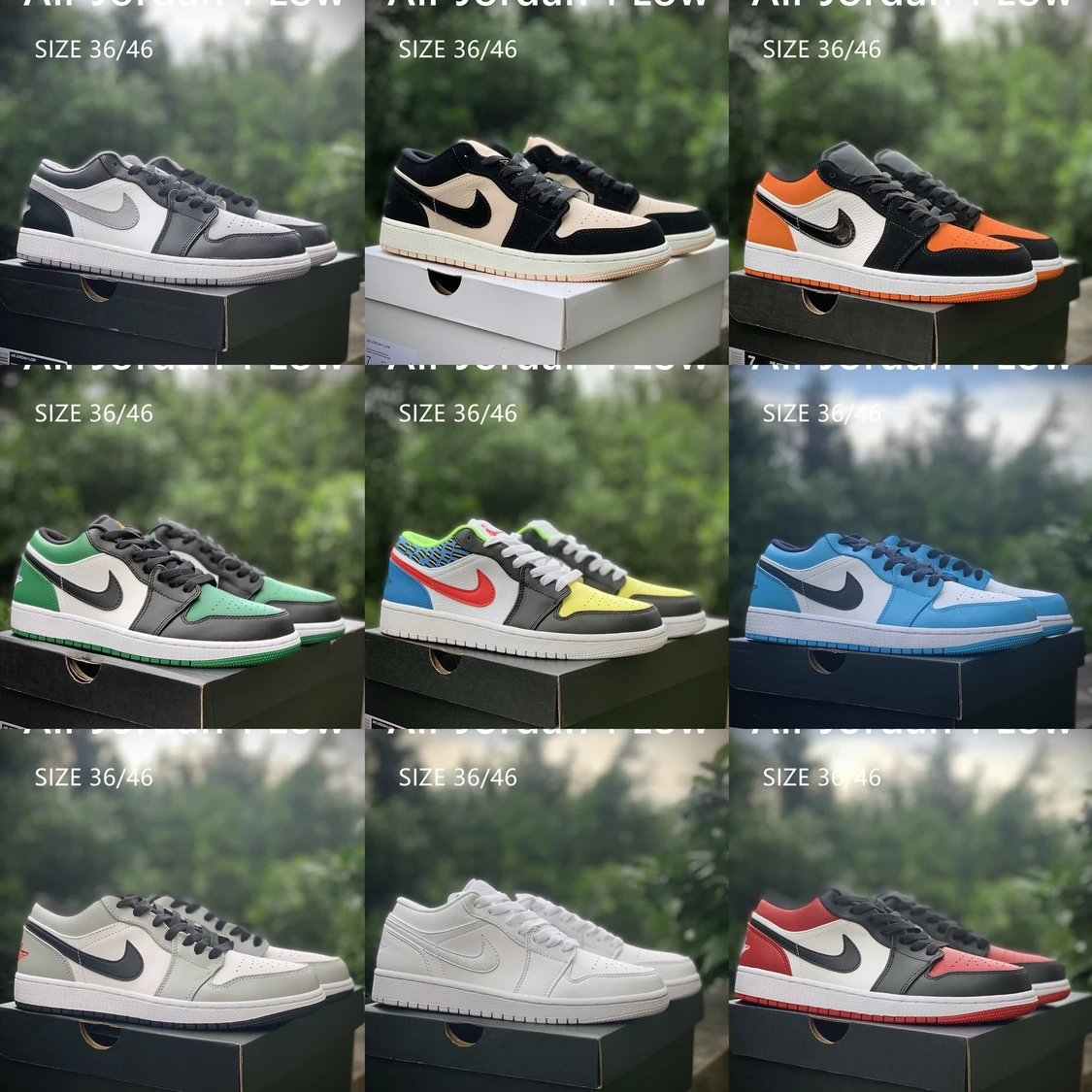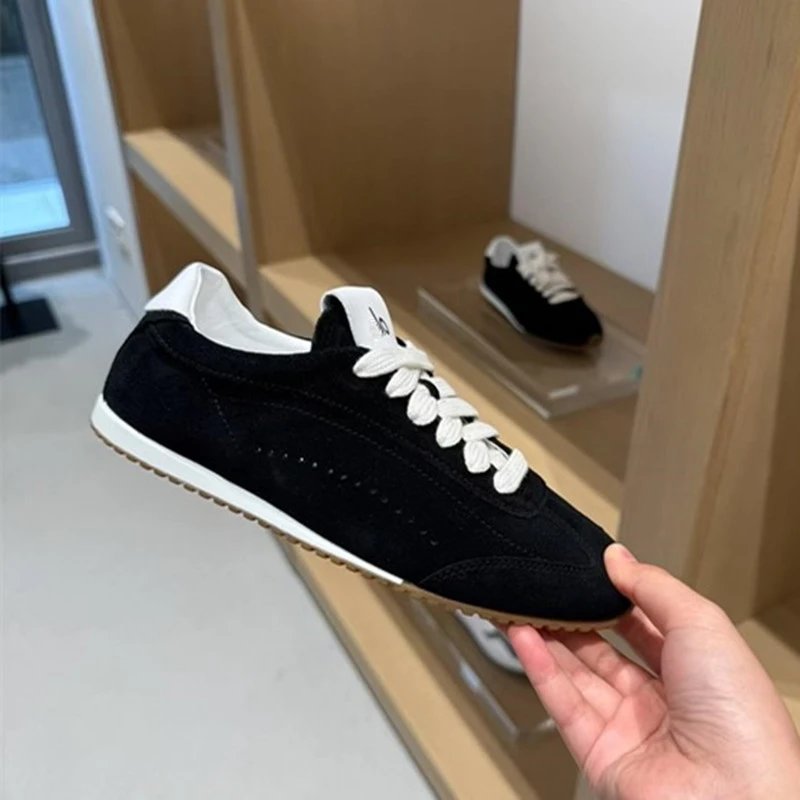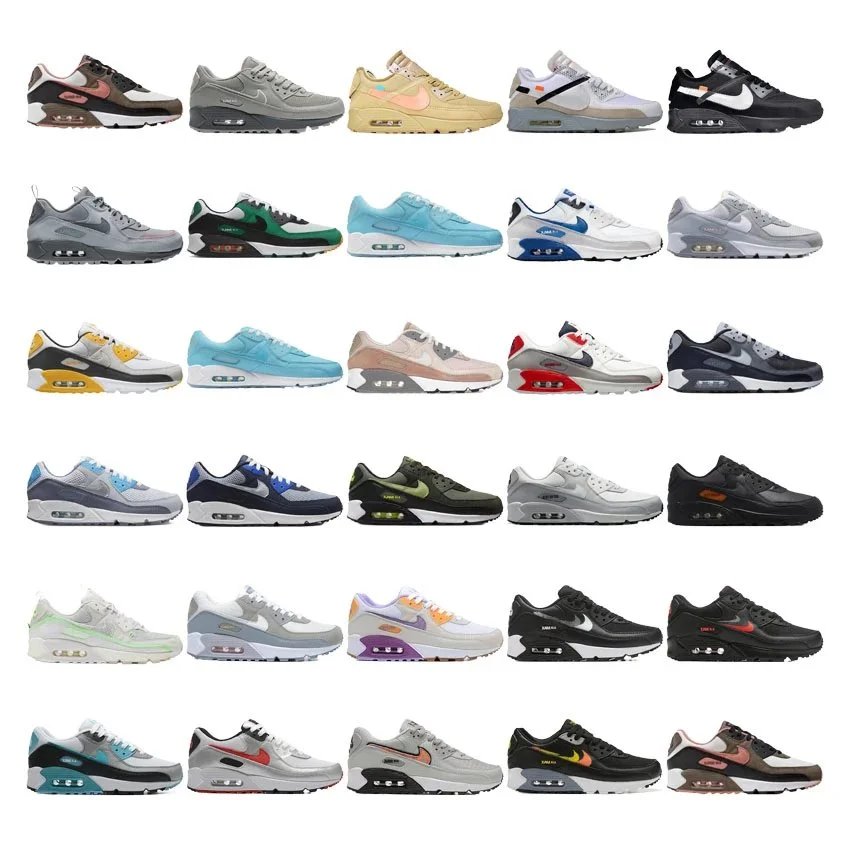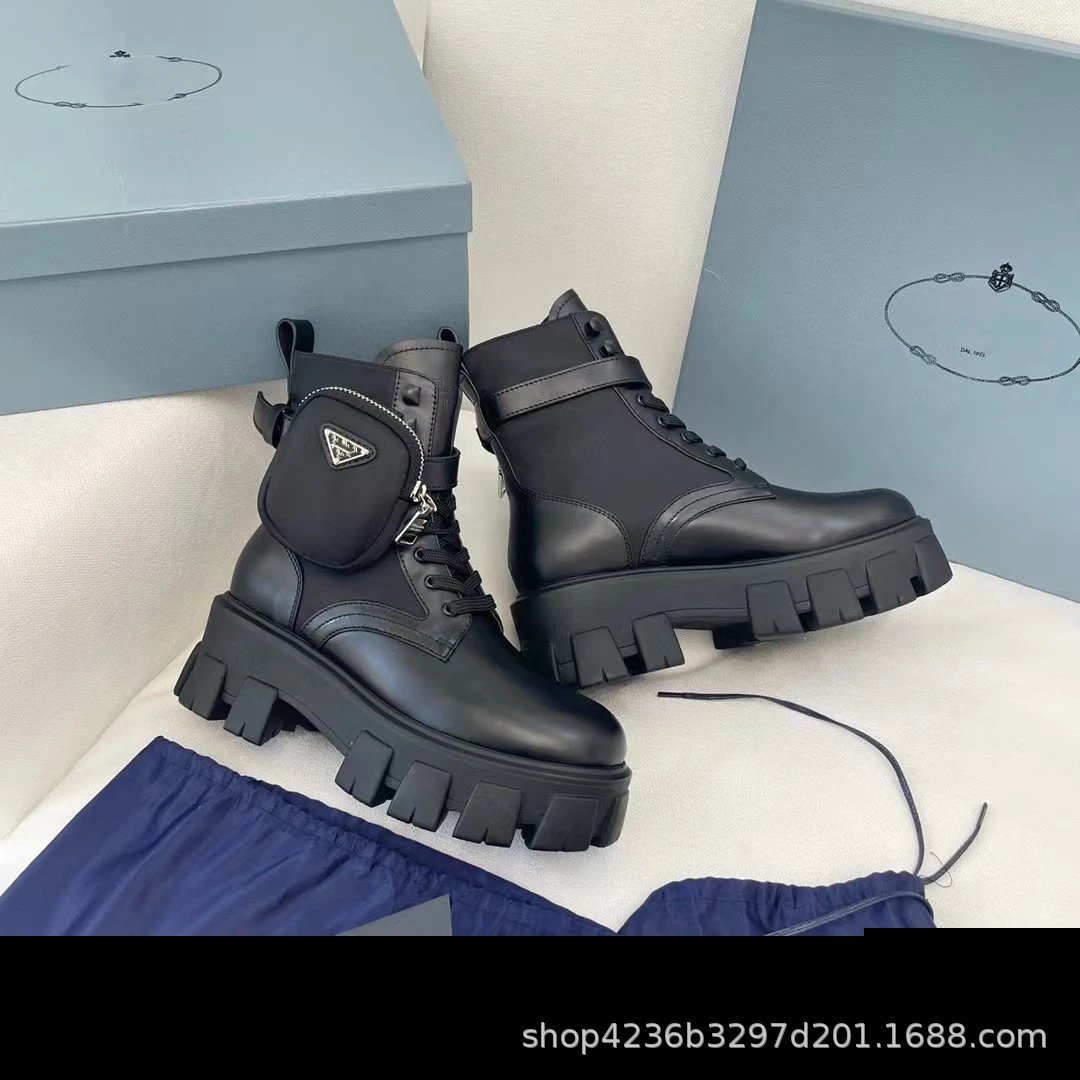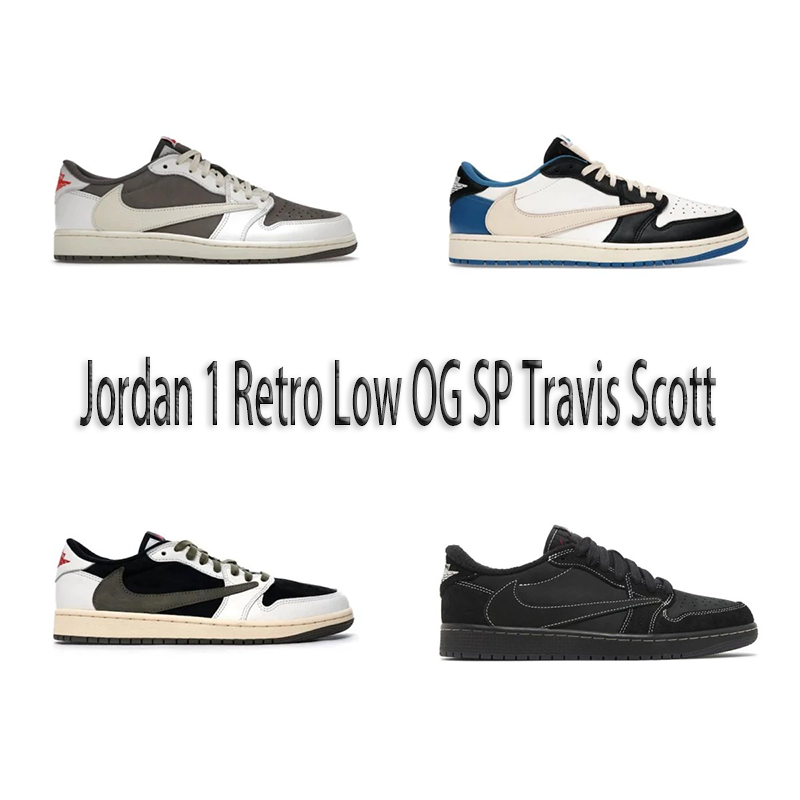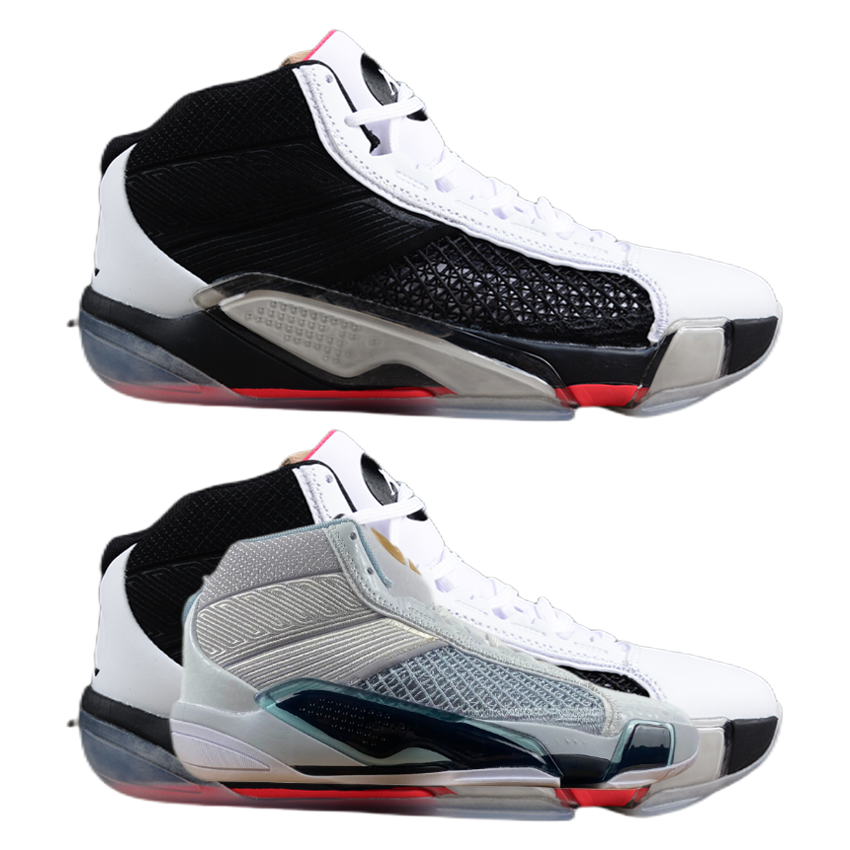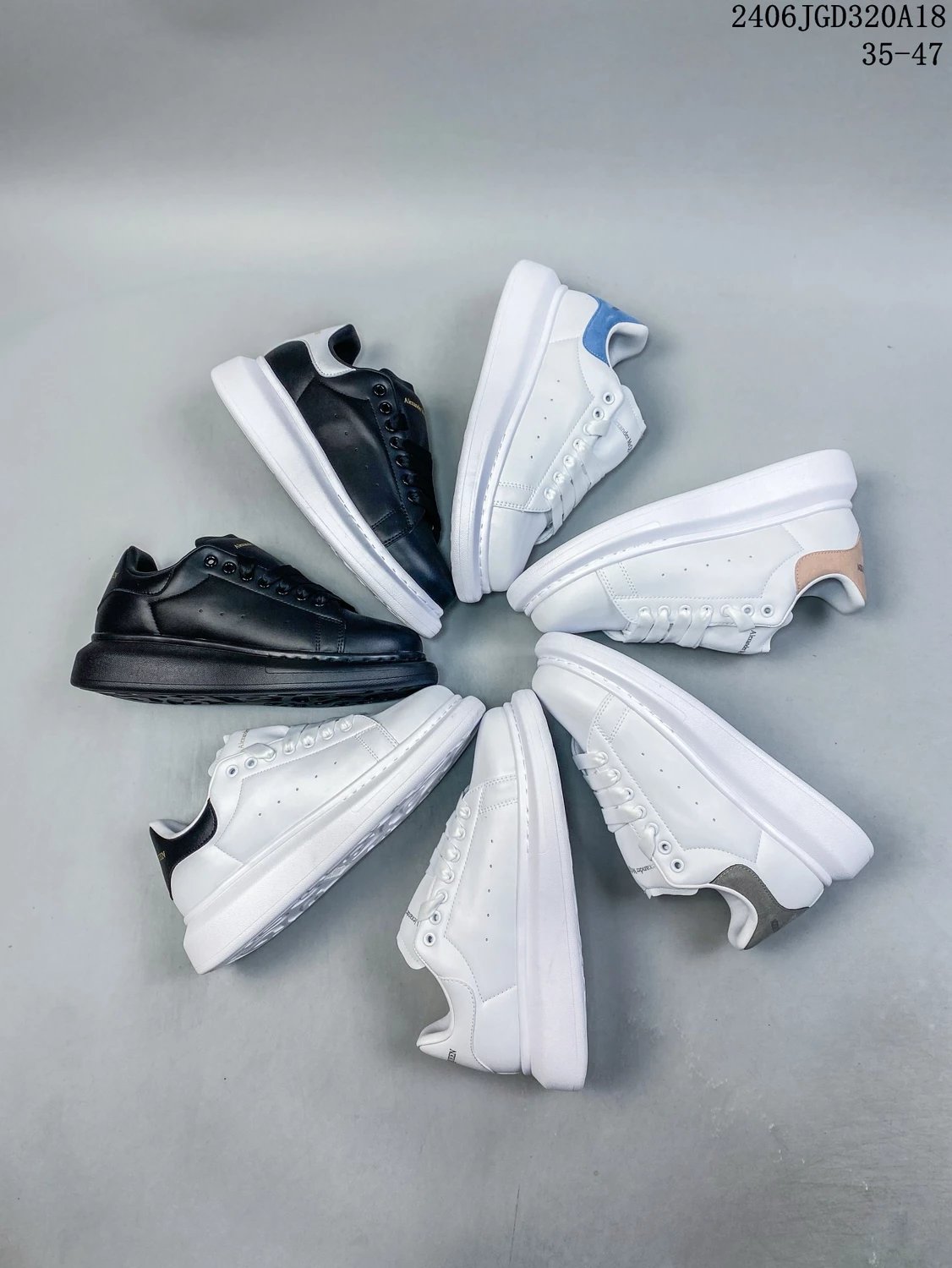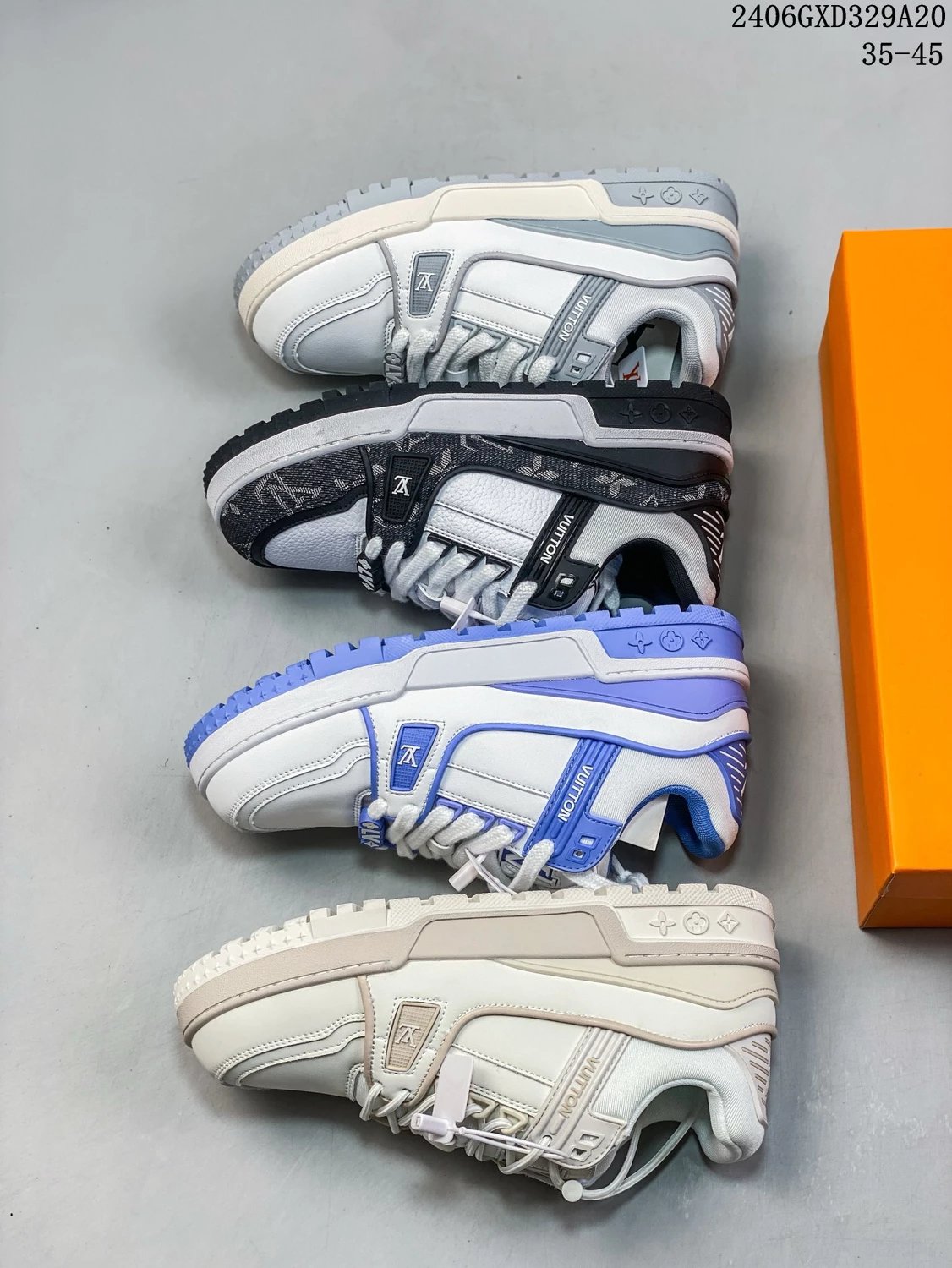



The short answer for shoes: work from a foot measurement in centimetres, not your usual size, and match it to the listing's size chart, because sizing runs vary between makers and even between batches. Oopbuy's no-service-fee structure means your budget goes further on the pair itself, so it is worth getting the size right the first time.
Most replica and factory footwear is cut close to true-to-size, but "true to size" is only meaningful against a measured foot. Stand on a sheet of paper, mark heel to longest toe, and measure both feet (they often differ). Then read the chart's insole-length column for your size rather than trusting the label. For narrow or wide feet, note that some silhouettes run slim and a half-size up buys width as well as length.
Batch and version differences are the thing beginners miss. On W2CSpreadsheet you will often see the same model at several price points; the higher batches usually correct materials, stitching, and shape. Before you order, note which version a find refers to so your QC expectations match what you paid for.
When your QC photos come back, run through this quickly:
Shoes are one of the heavier, bulkier finds by volume, and the box adds weight. If freight is a concern, you can ask whether the box can be removed or shipped flat, though collectors usually keep it. For current shipping estimates and any promotions, check the live Oopbuy listing rather than older numbers.
One value habit worth forming: keep a small note of which batch and size worked for each model you order. It turns your next Oopbuy purchase into a repeat of a known-good result instead of another guess.
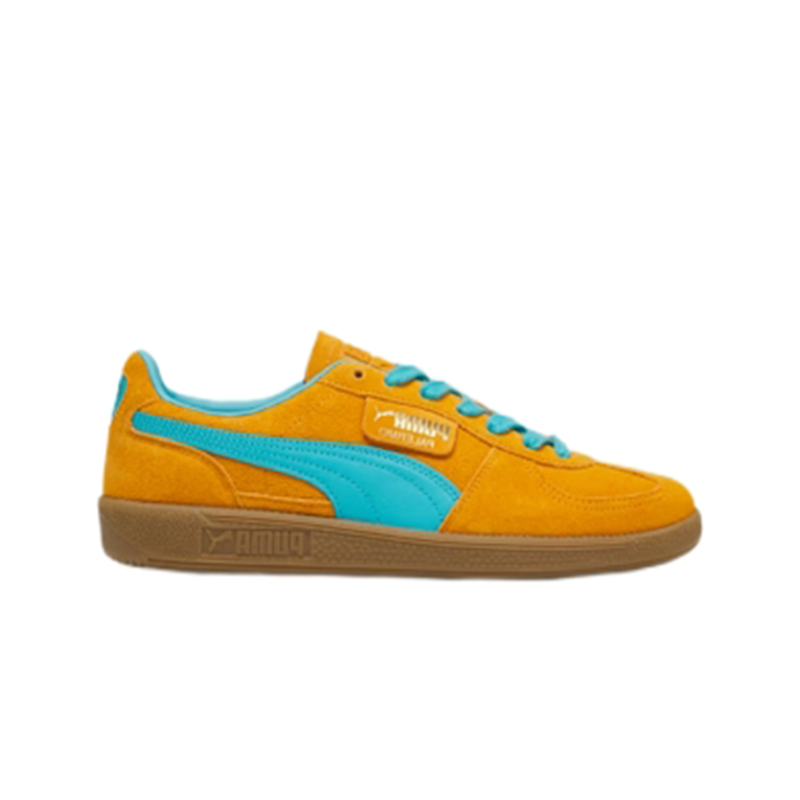
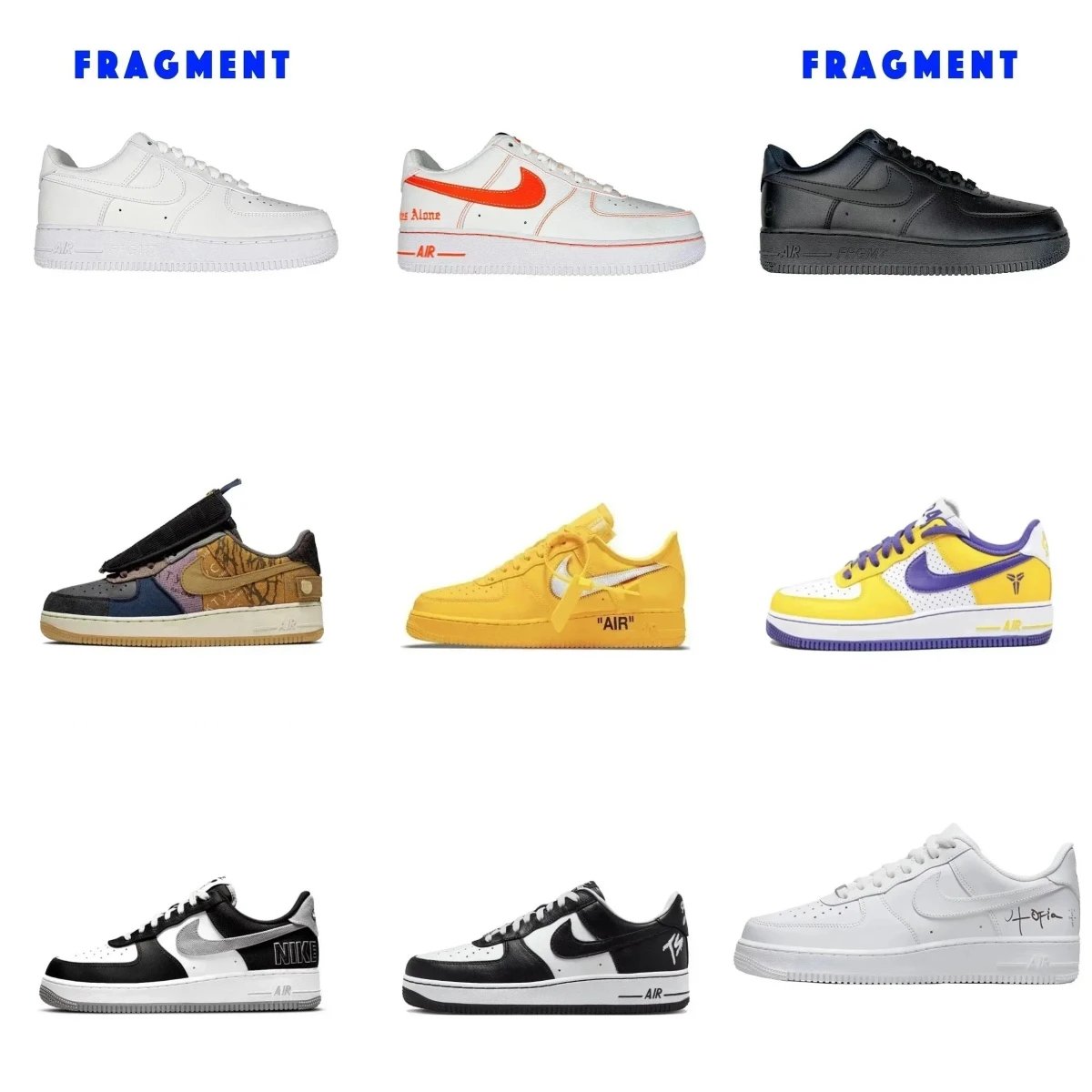
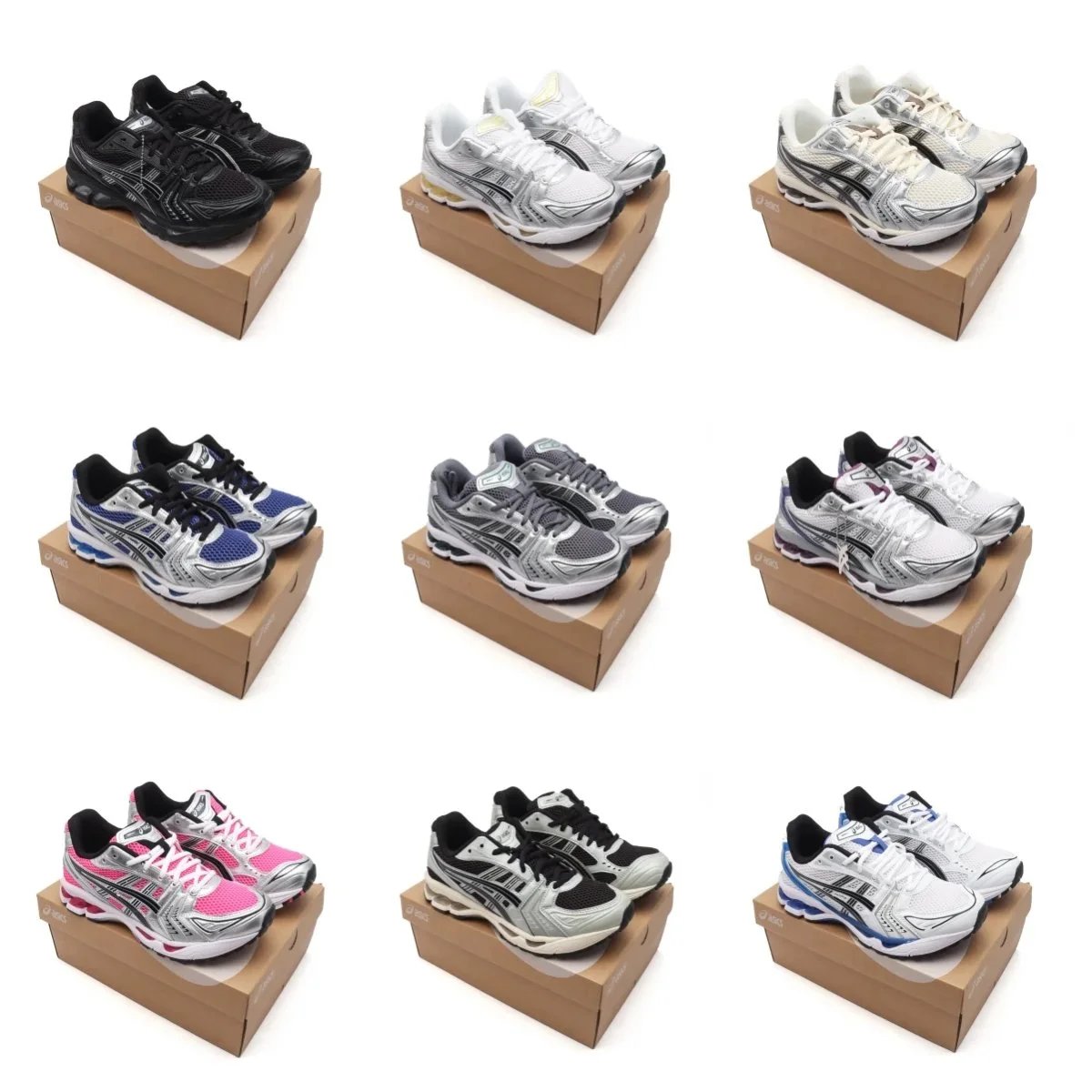

![Puma MAYA Sneakers [8 styles]](https://si.geilicdn.com/open1367350623-1234478995-7a2700000195101b84af0a23b491_850_850.jpg?imageMogr2/format/webp/thumbnail/400x400)
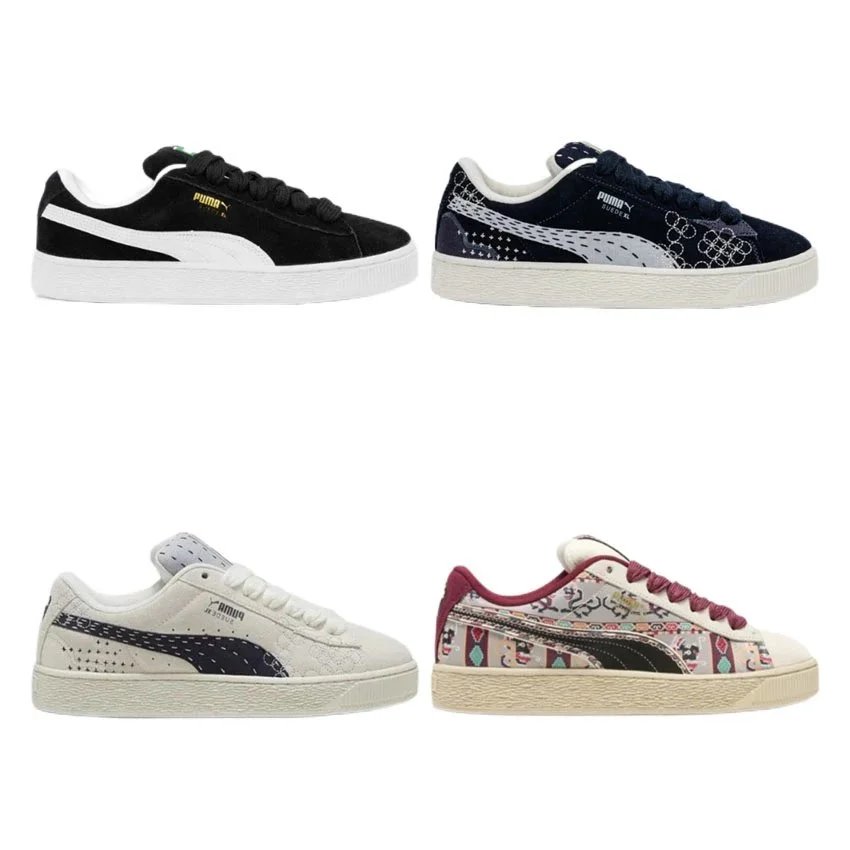
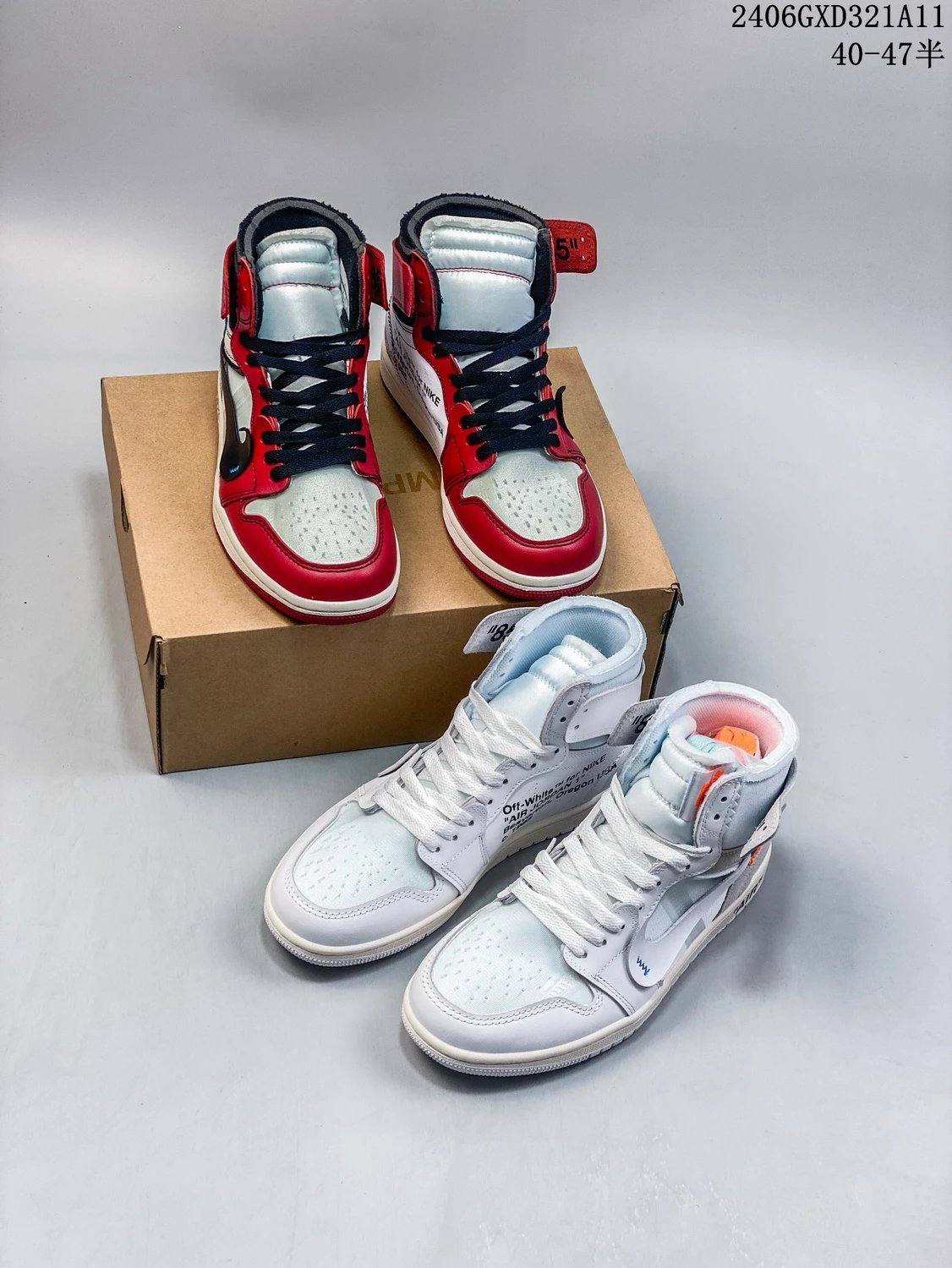
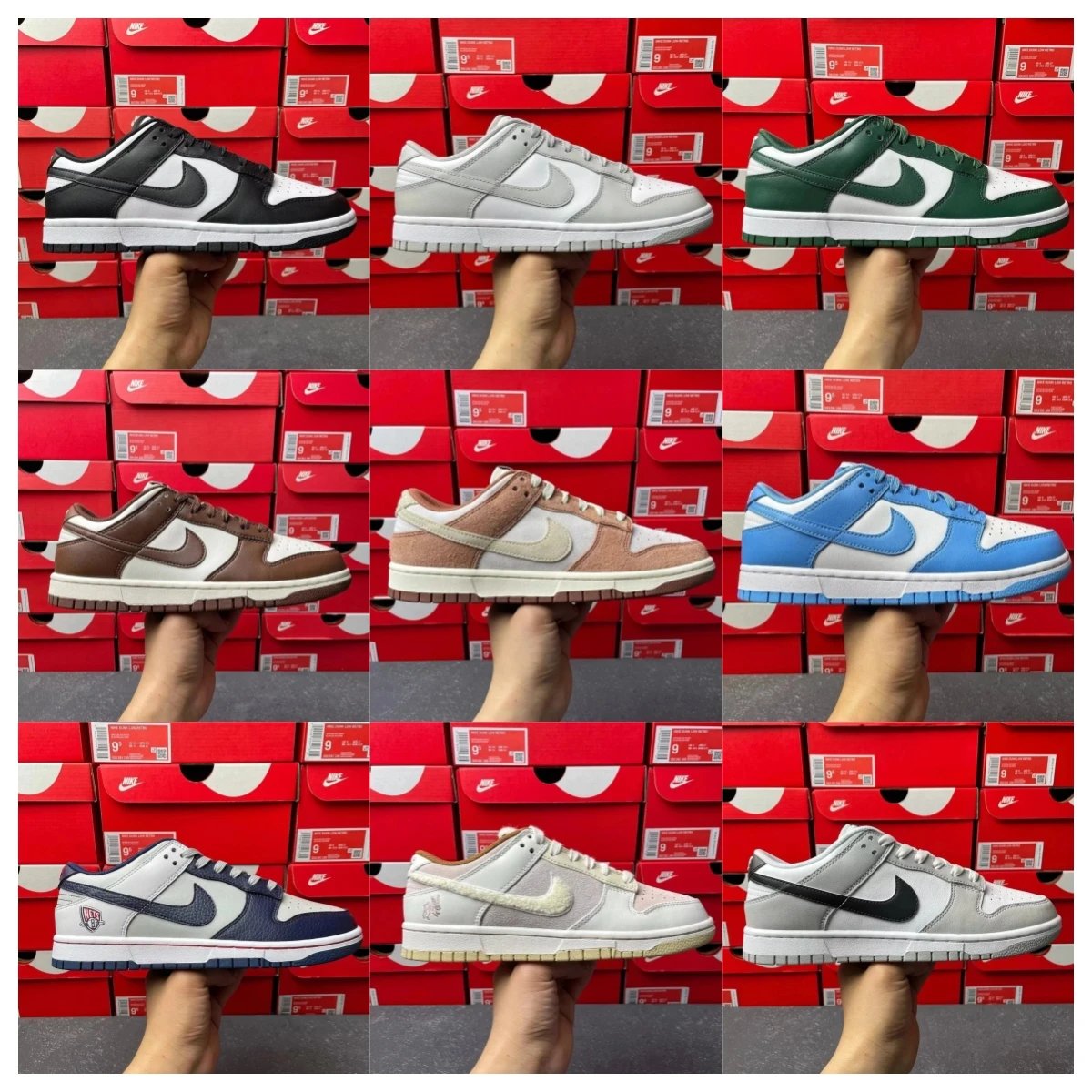

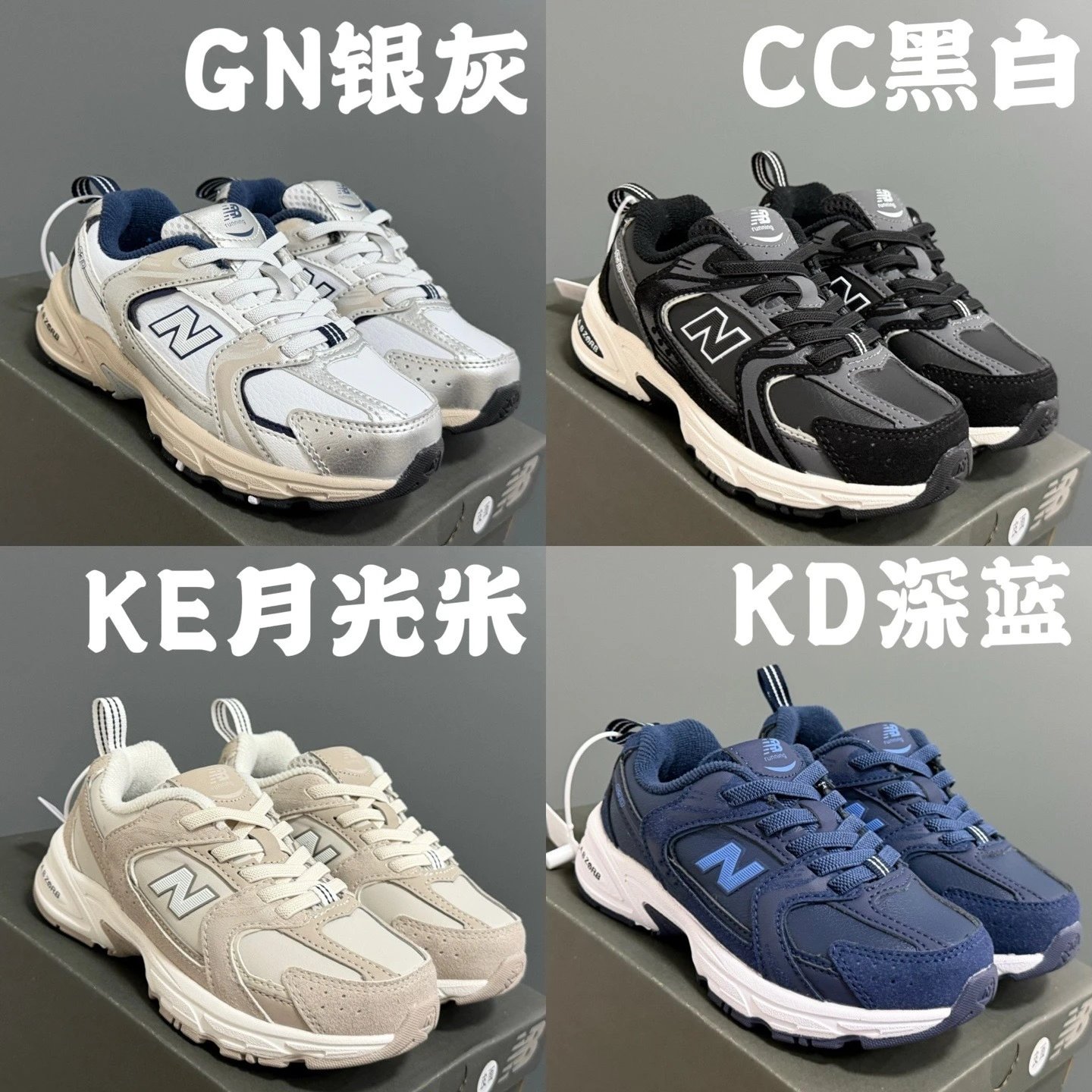


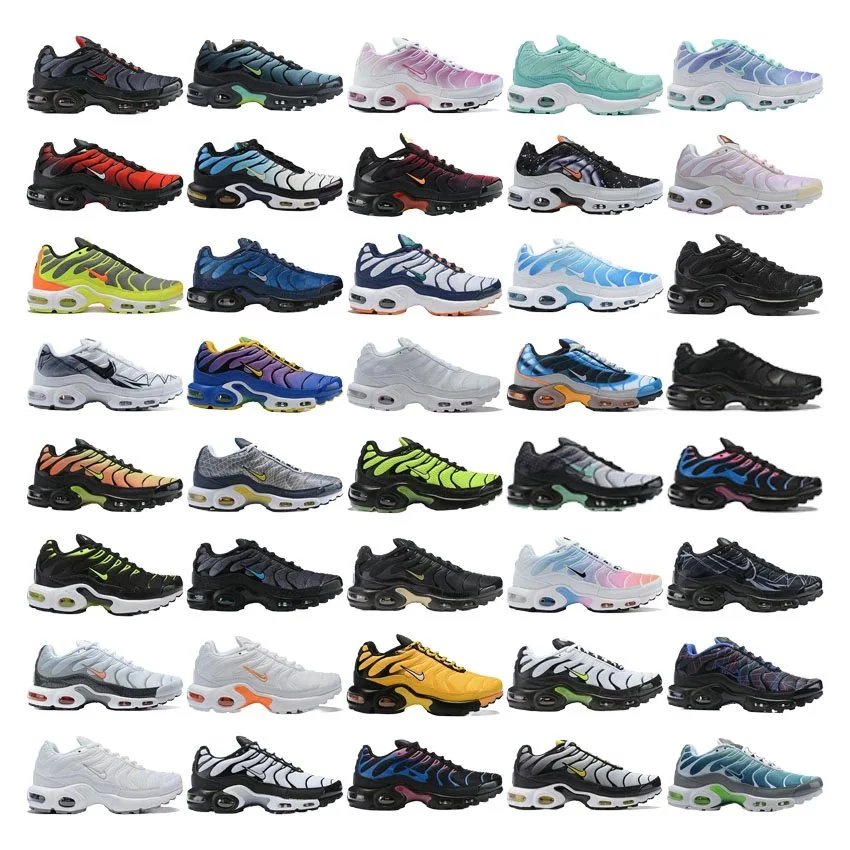
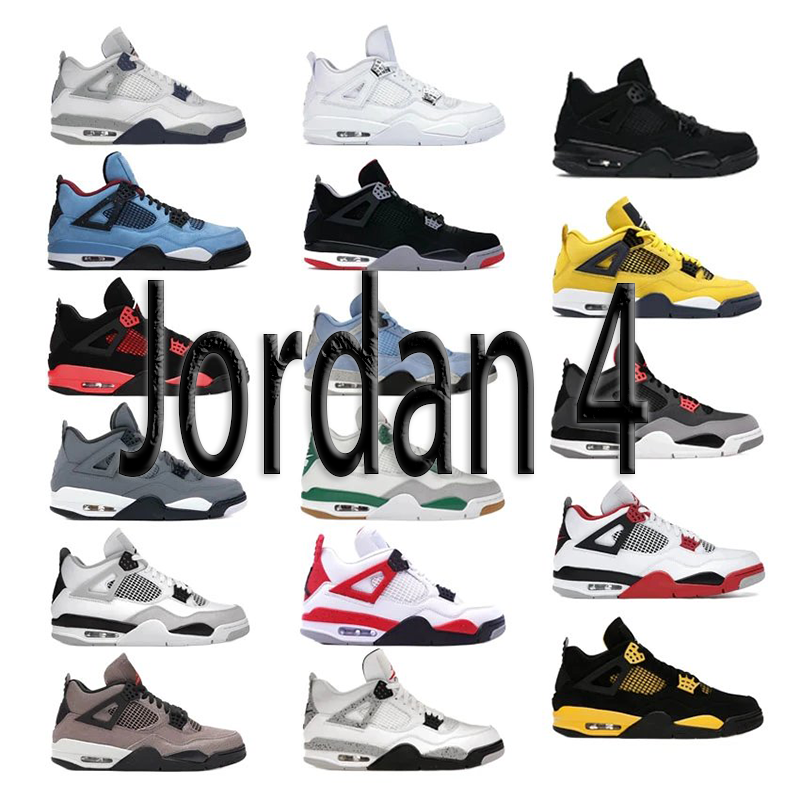
![MAYA Sneakers [8 styles]](https://si.geilicdn.com/open1862809525-1234478995-0b0b0000019397b1db6e0a210559-unadjust_850_850.png?imageMogr2/format/webp/thumbnail/400x400)
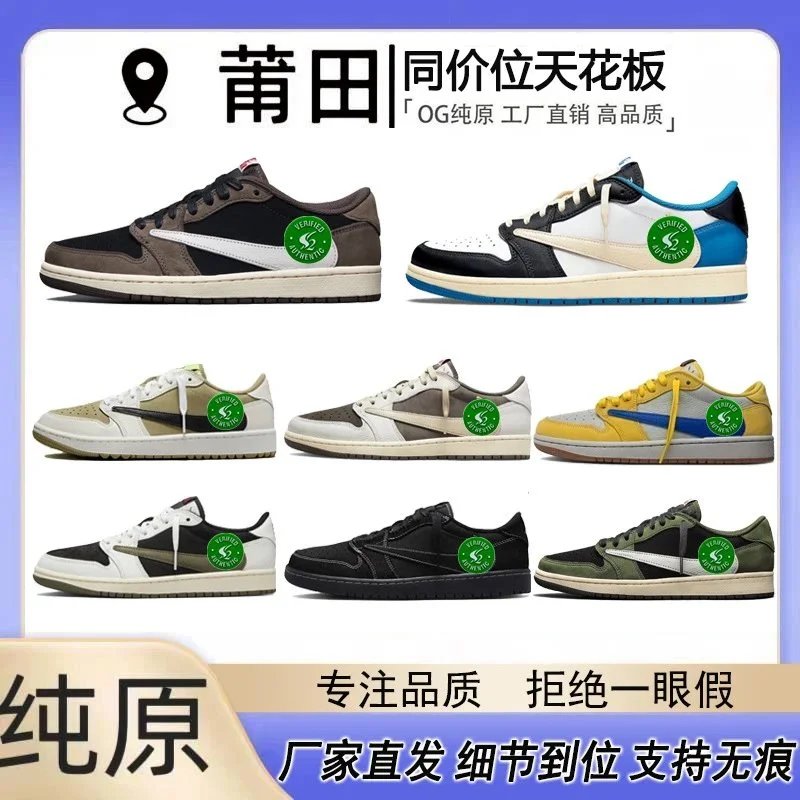


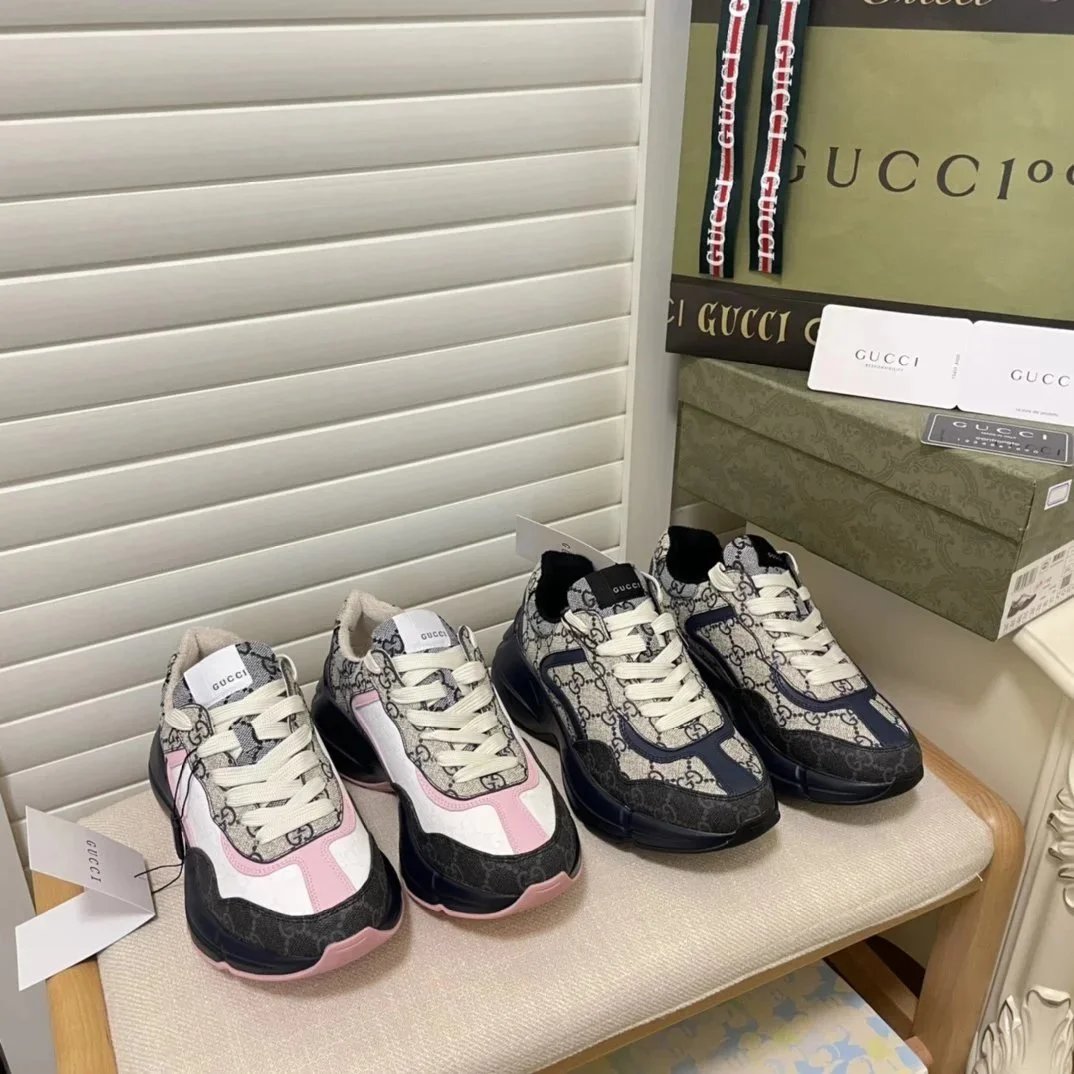
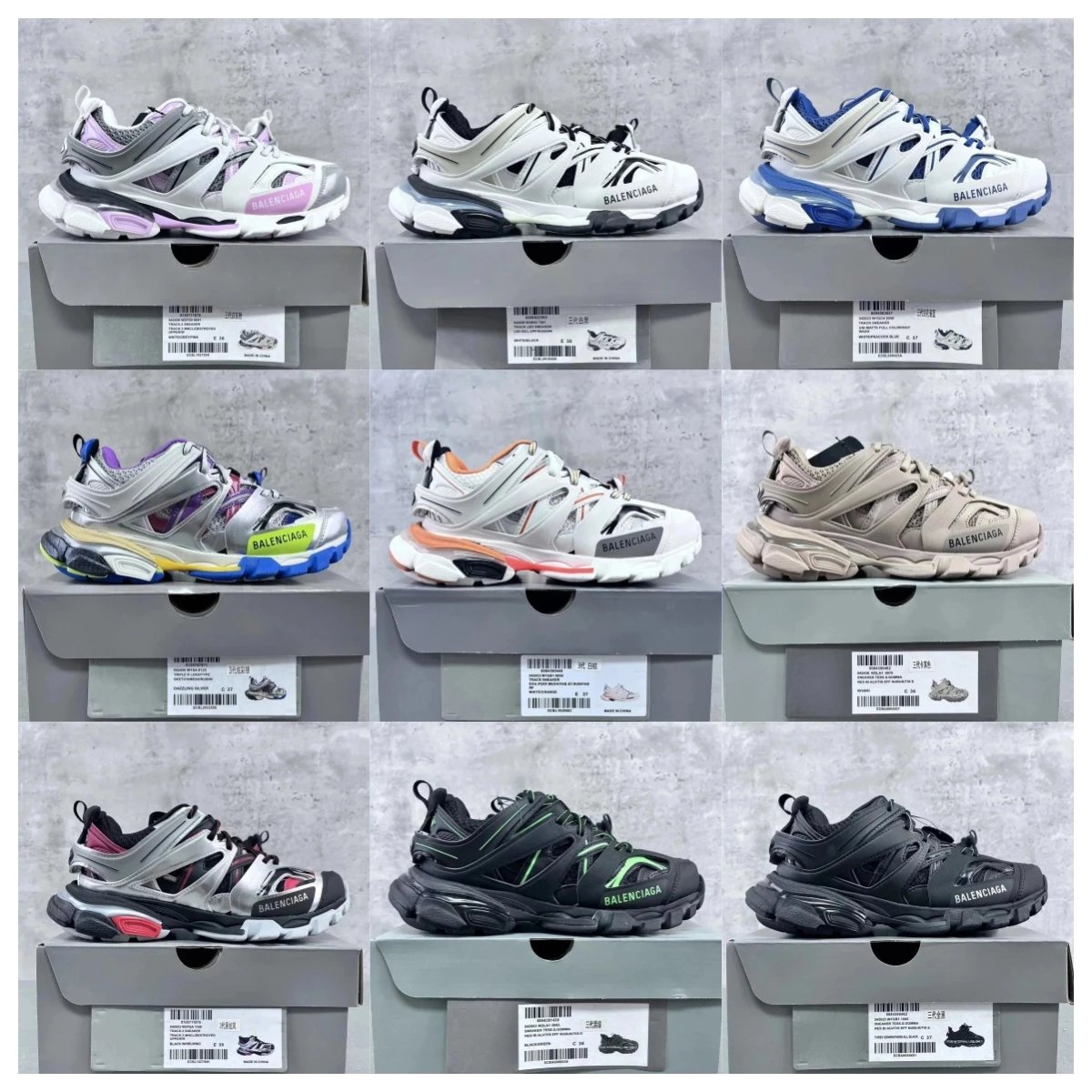


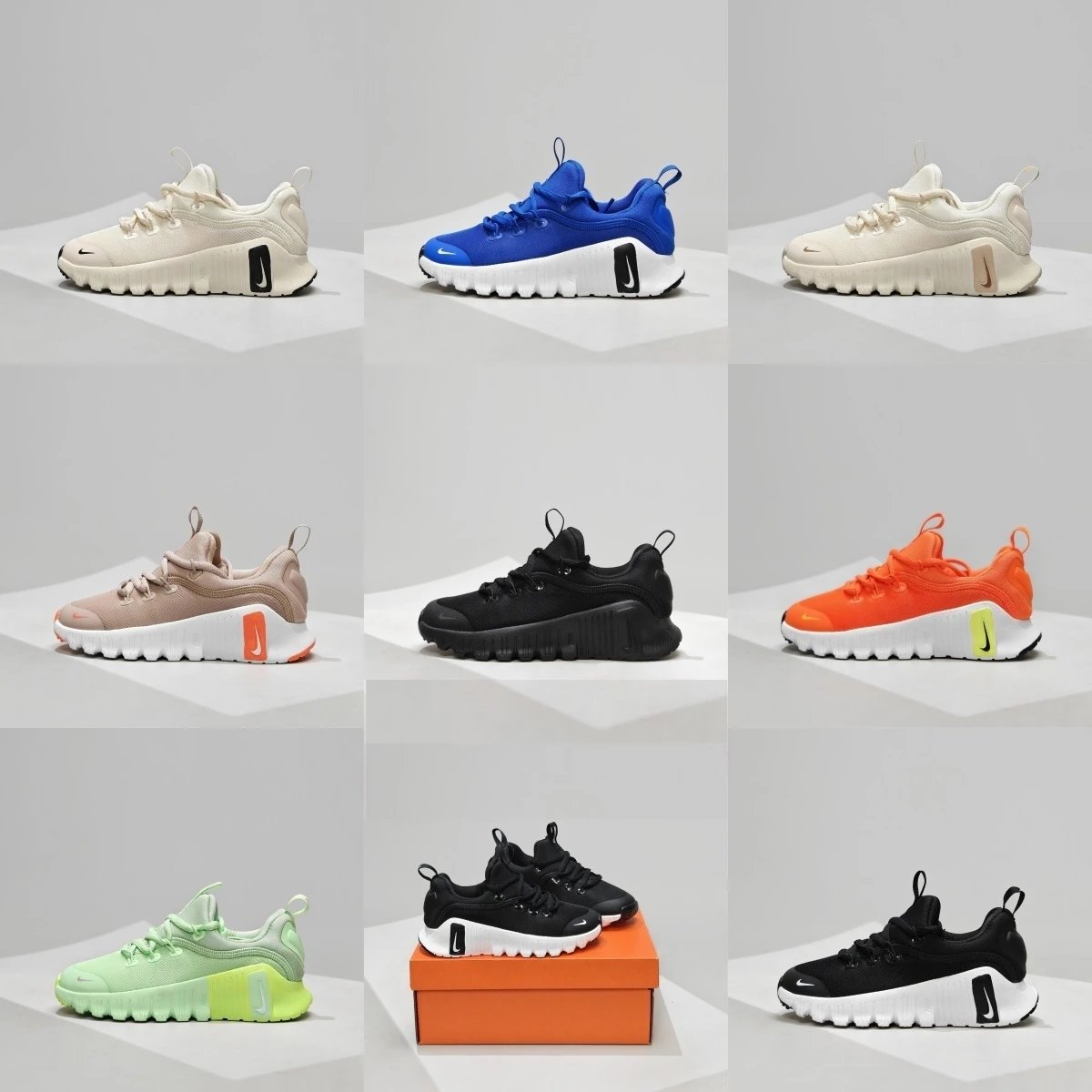
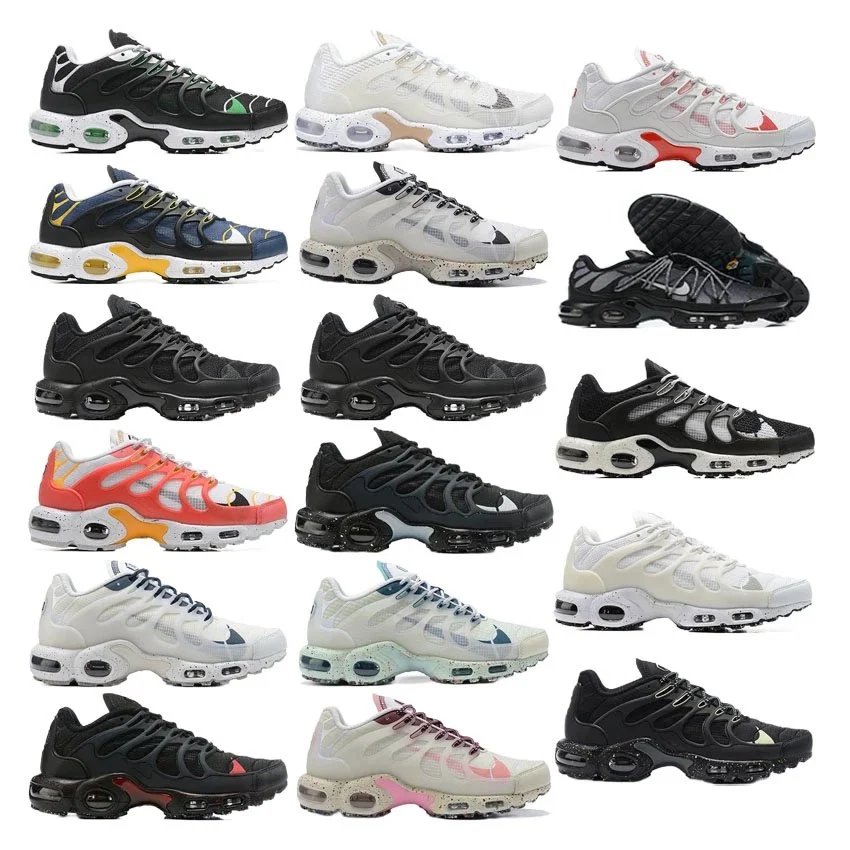
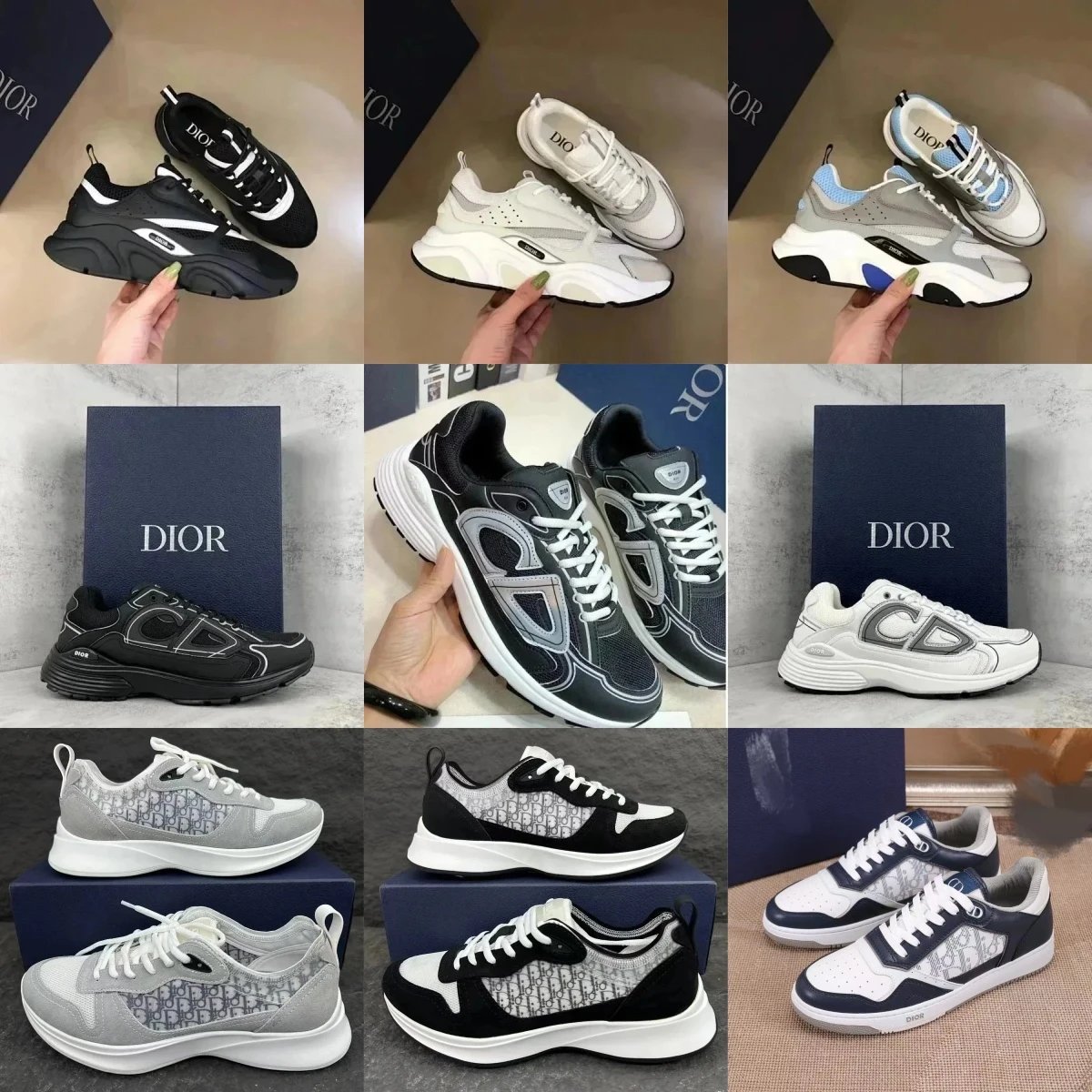
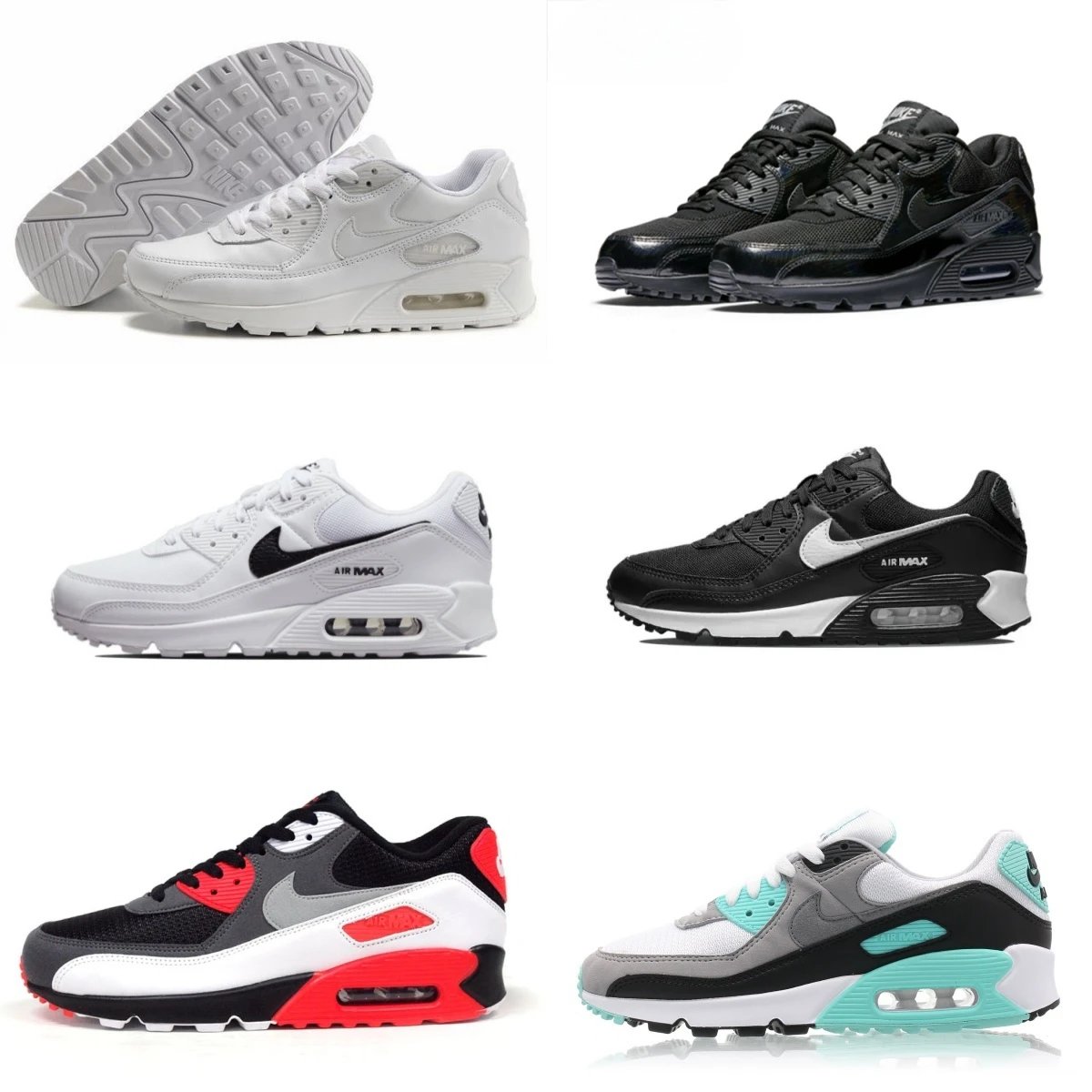
![Dior B22 Sneakers [35 styles]](https://si.geilicdn.com/pcitem1857634307-105a00000191802b0c390a23037f-unadjust_1200_1200.png?imageMogr2/format/webp/thumbnail/400x400)