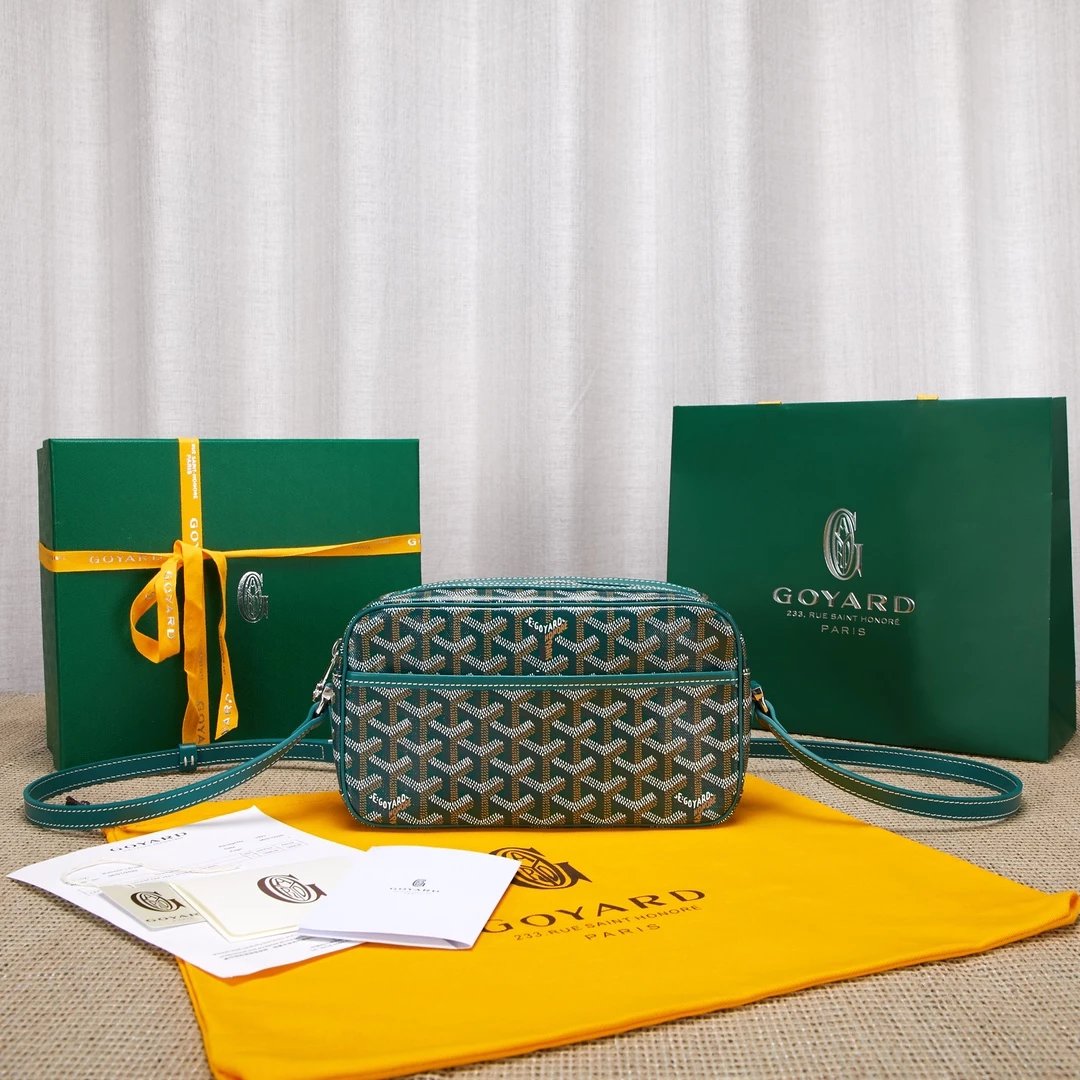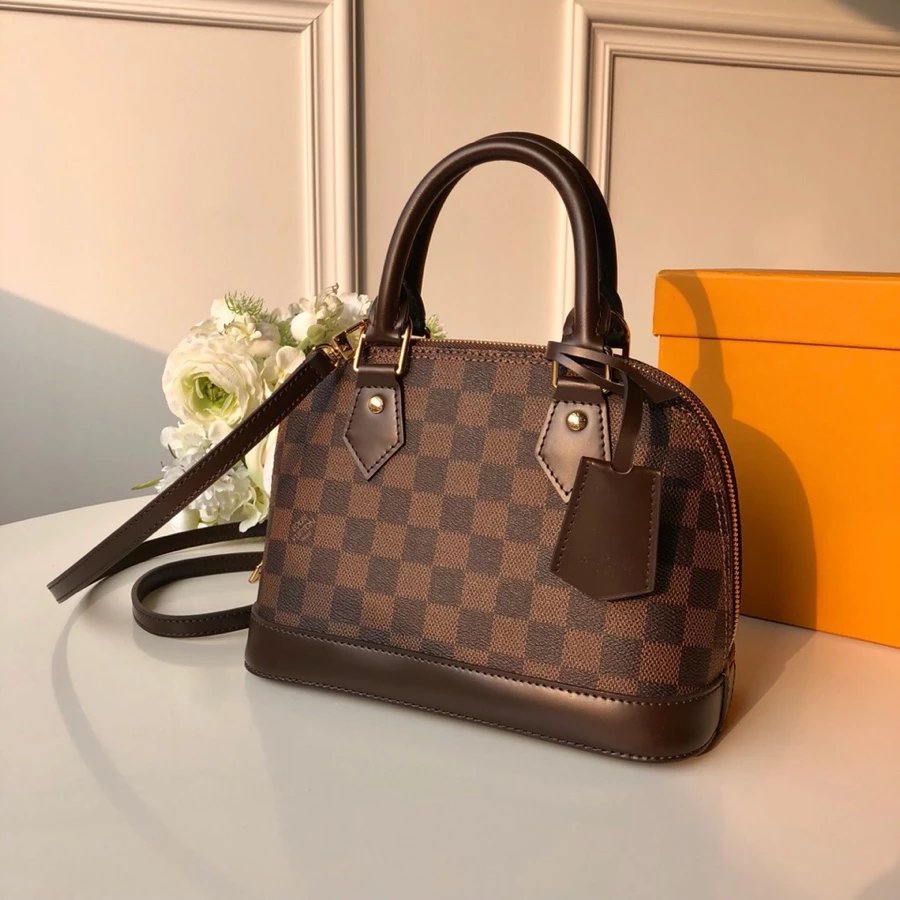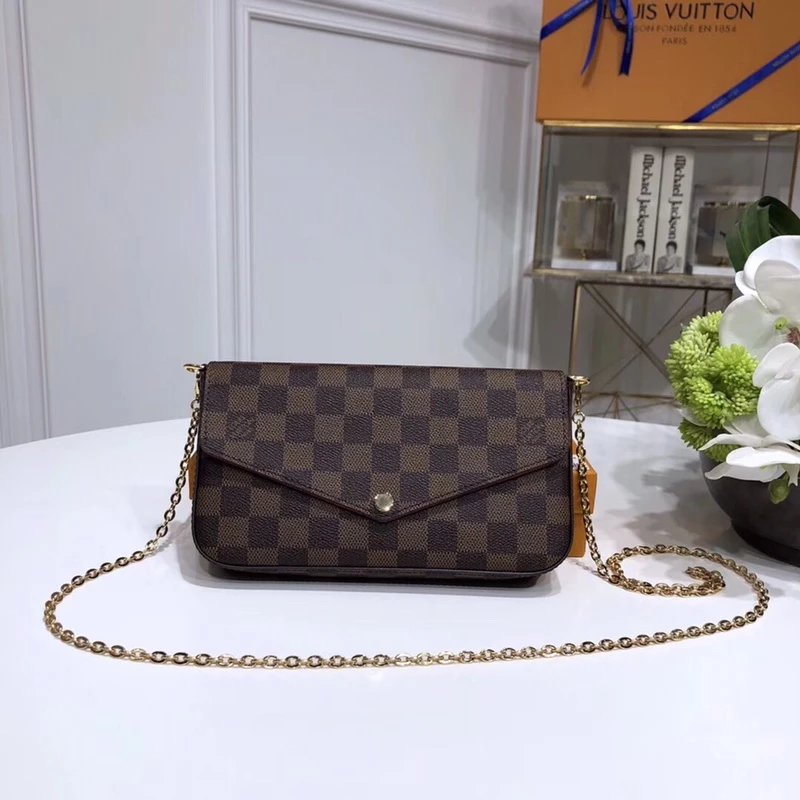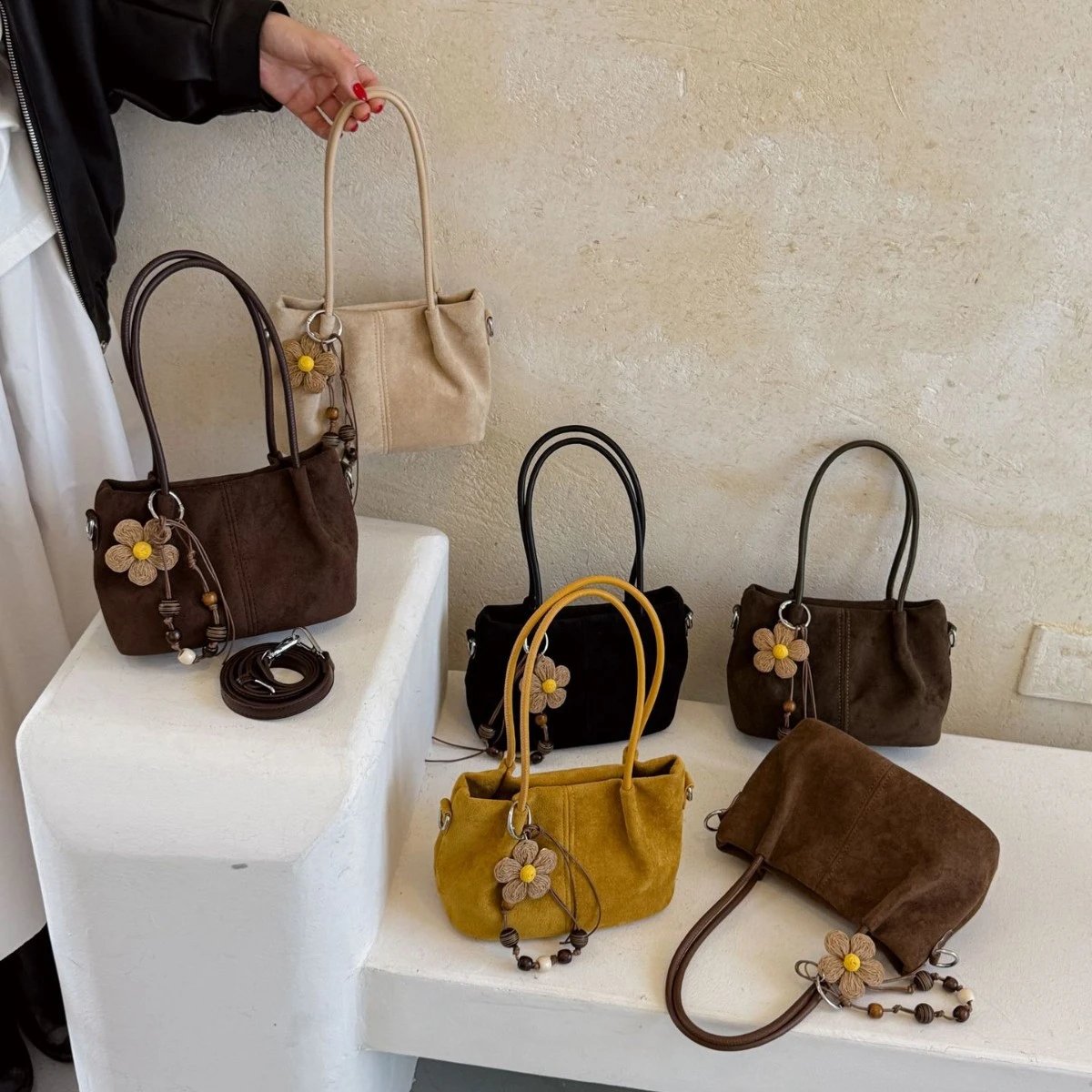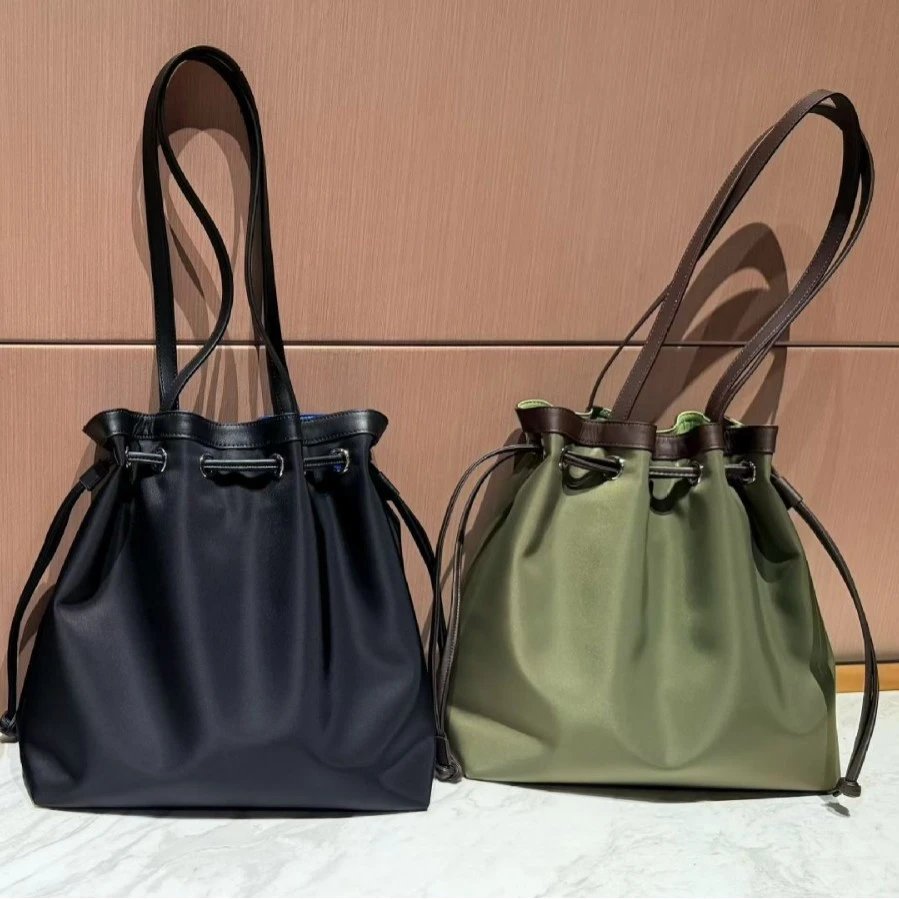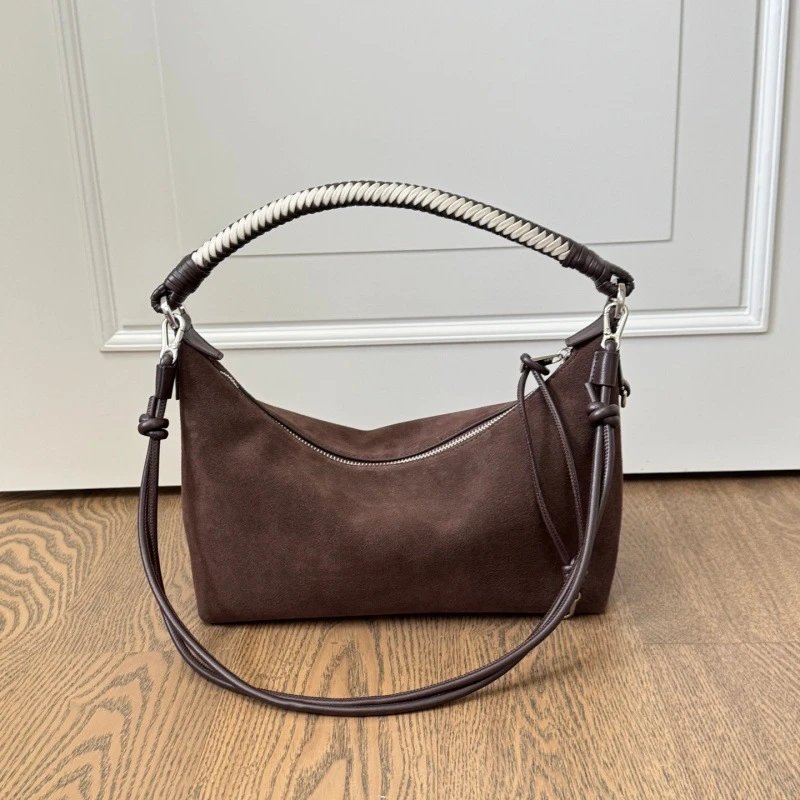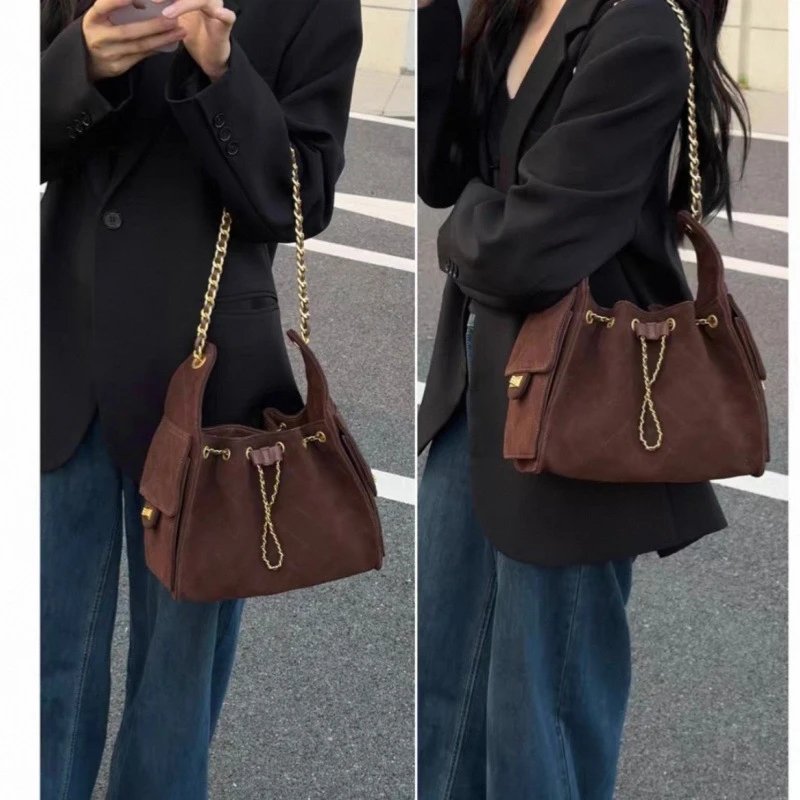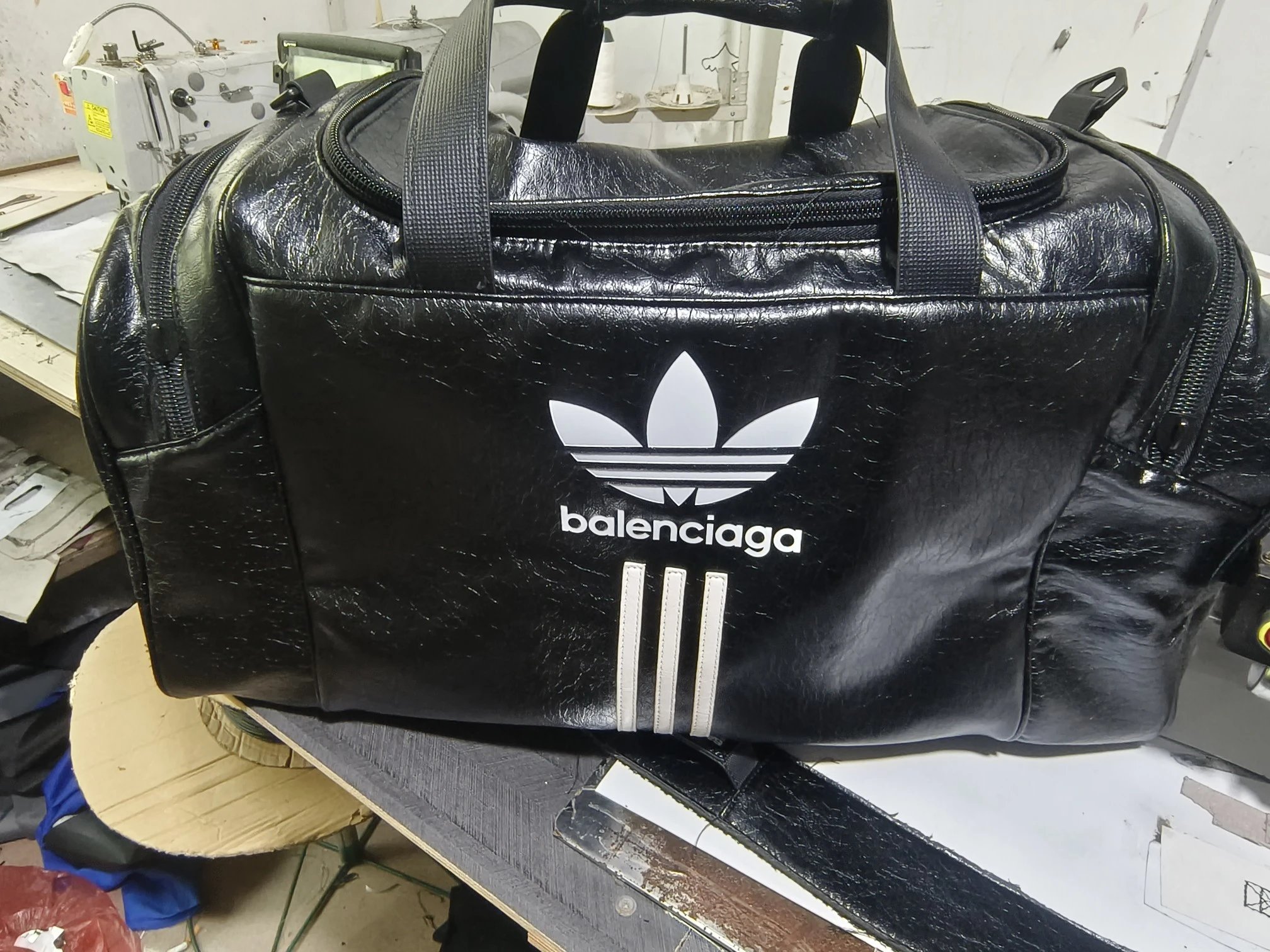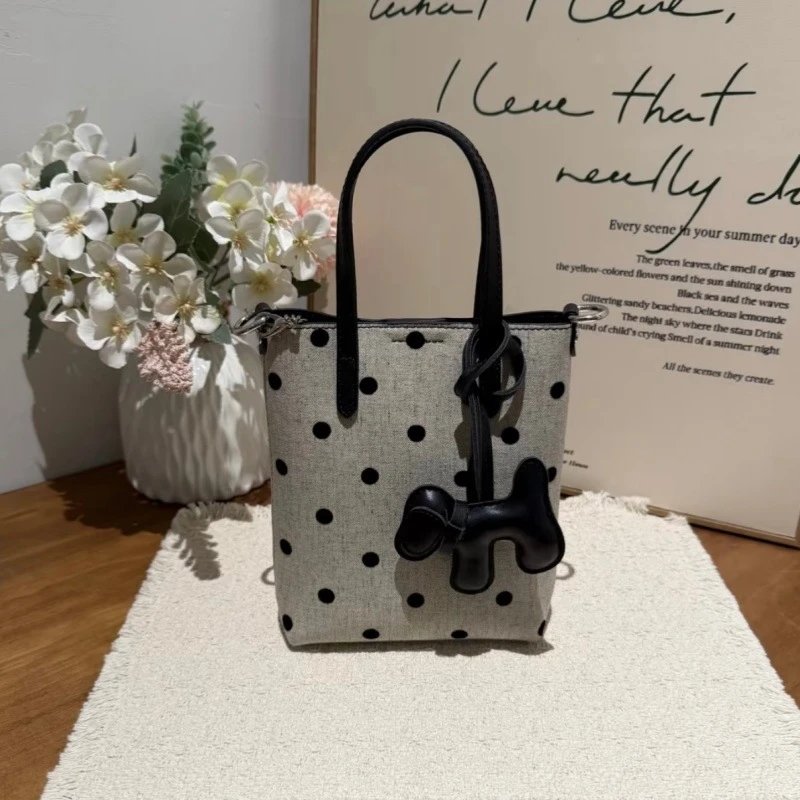



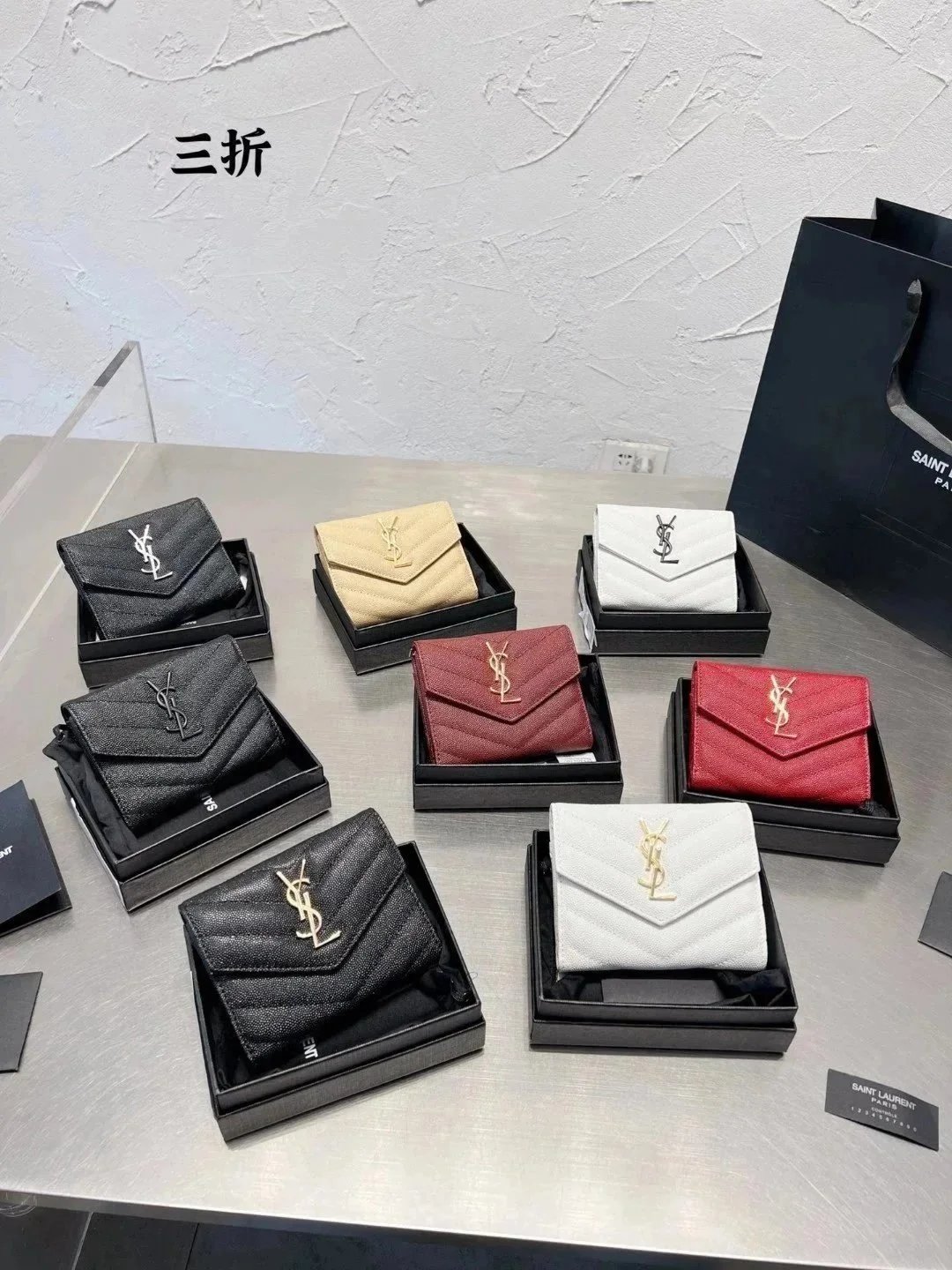
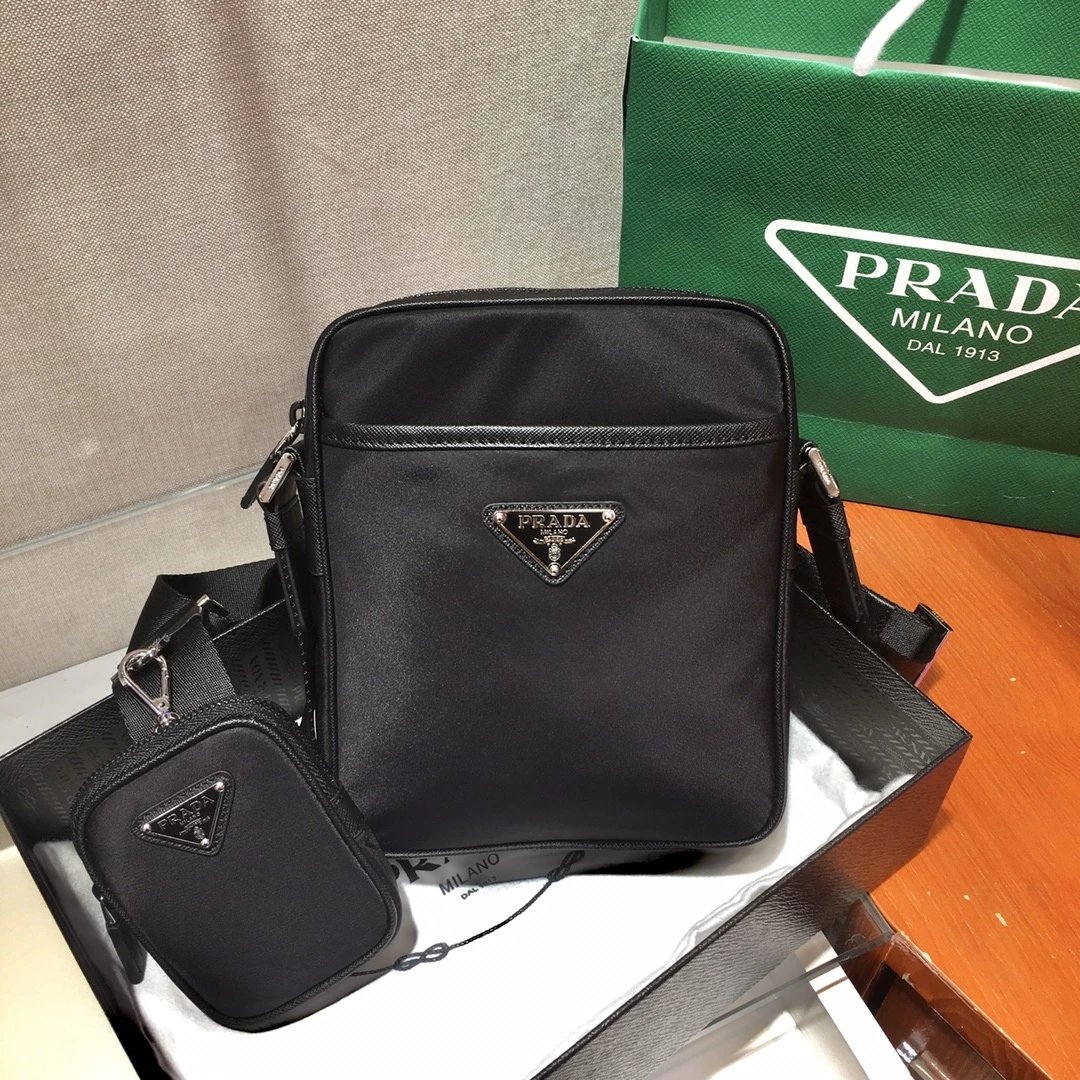
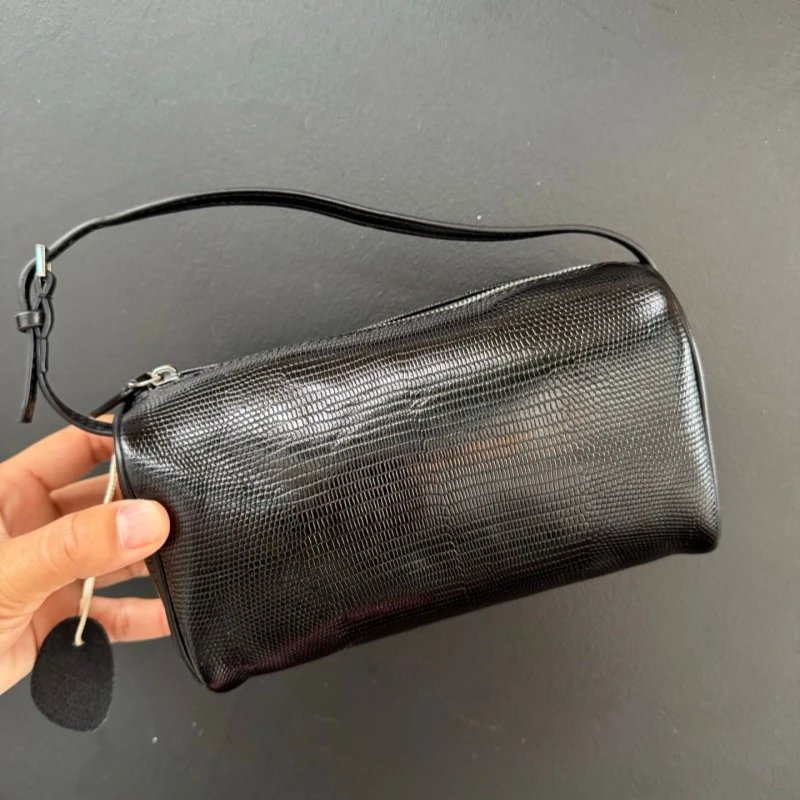
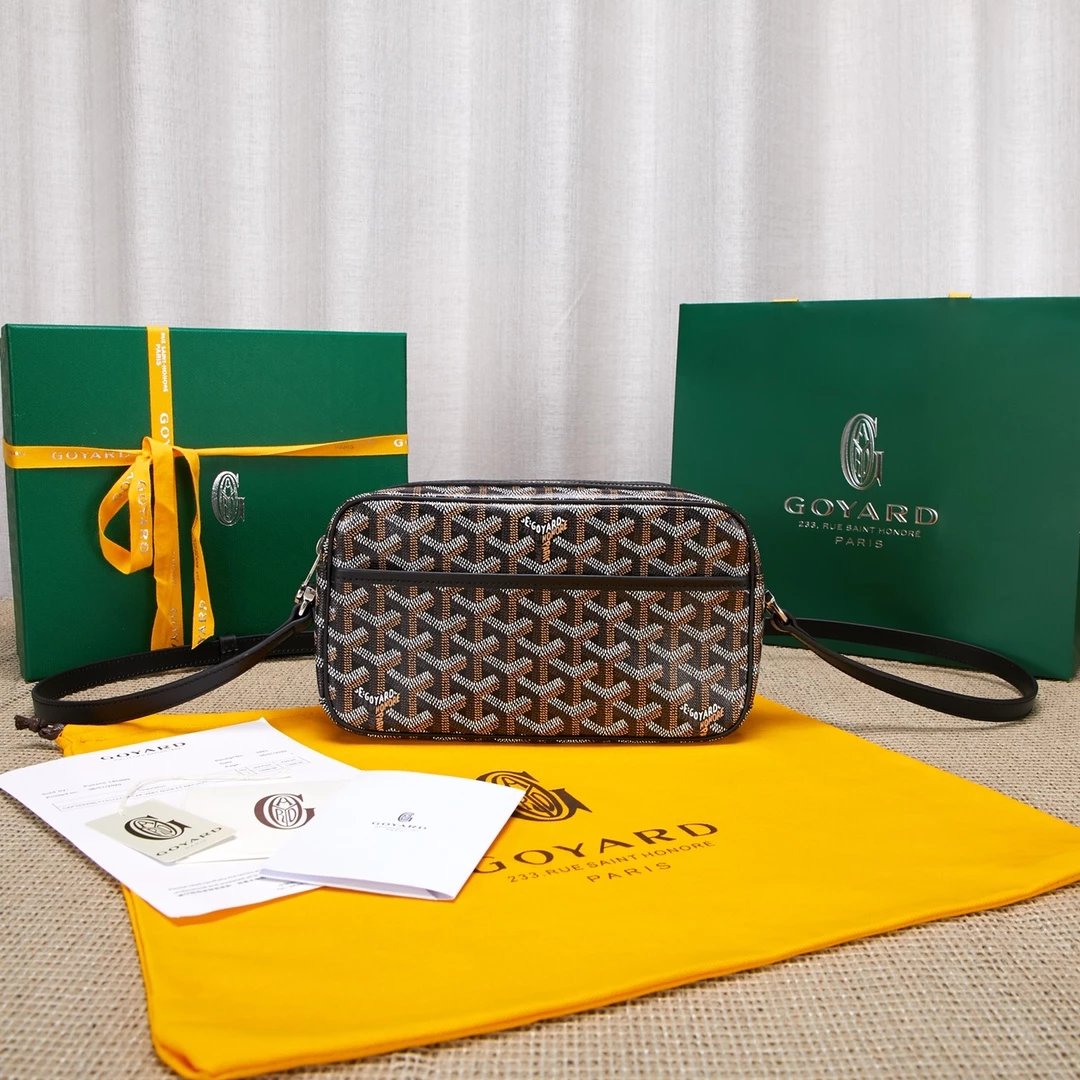
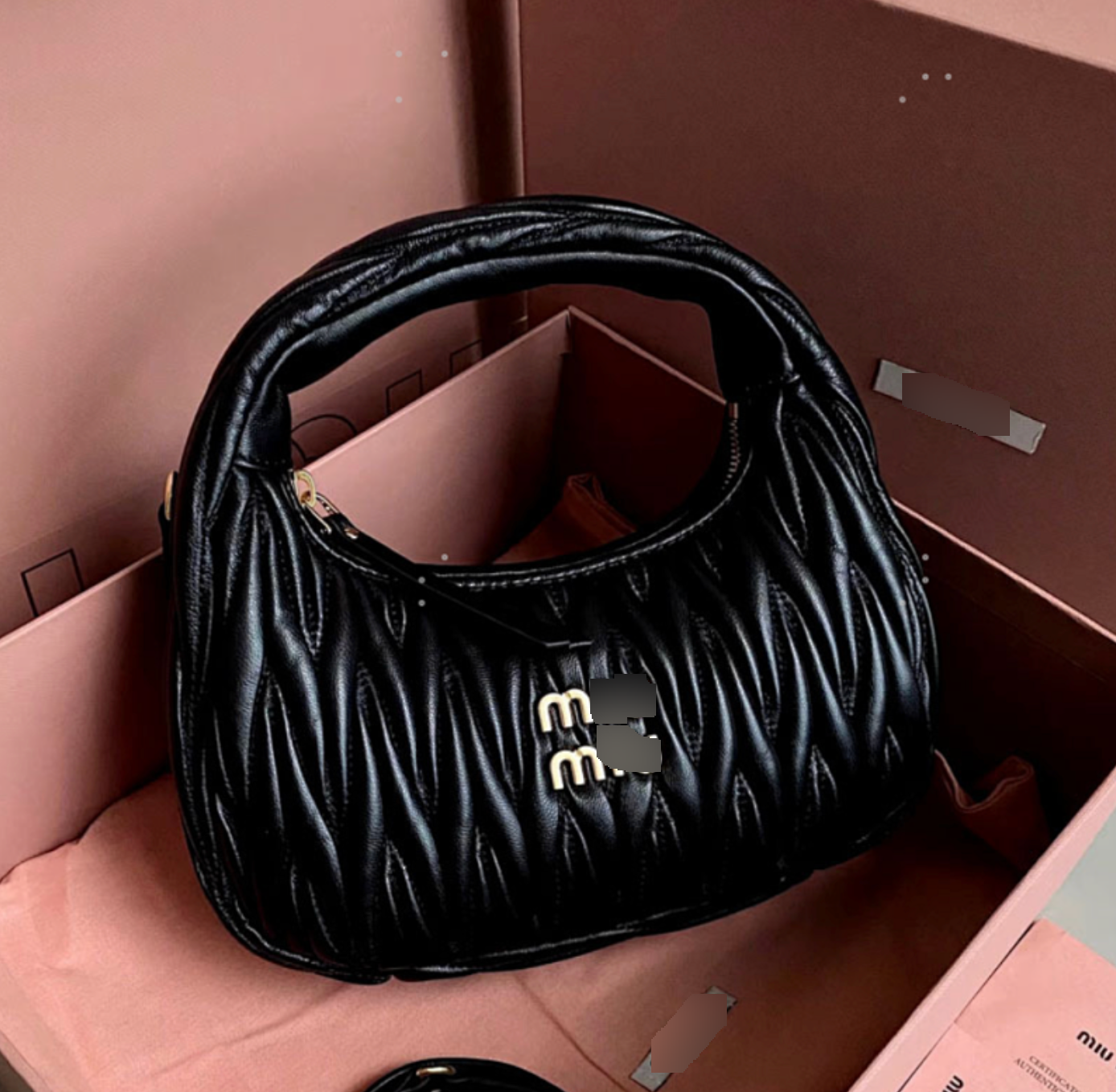
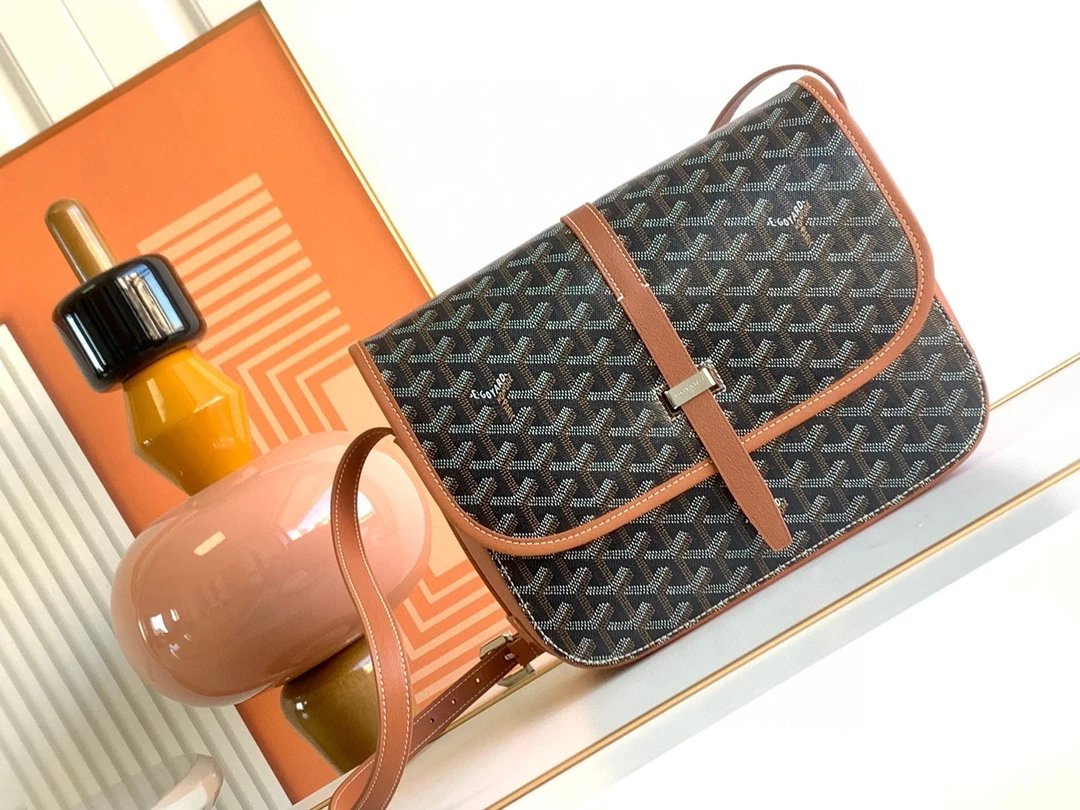
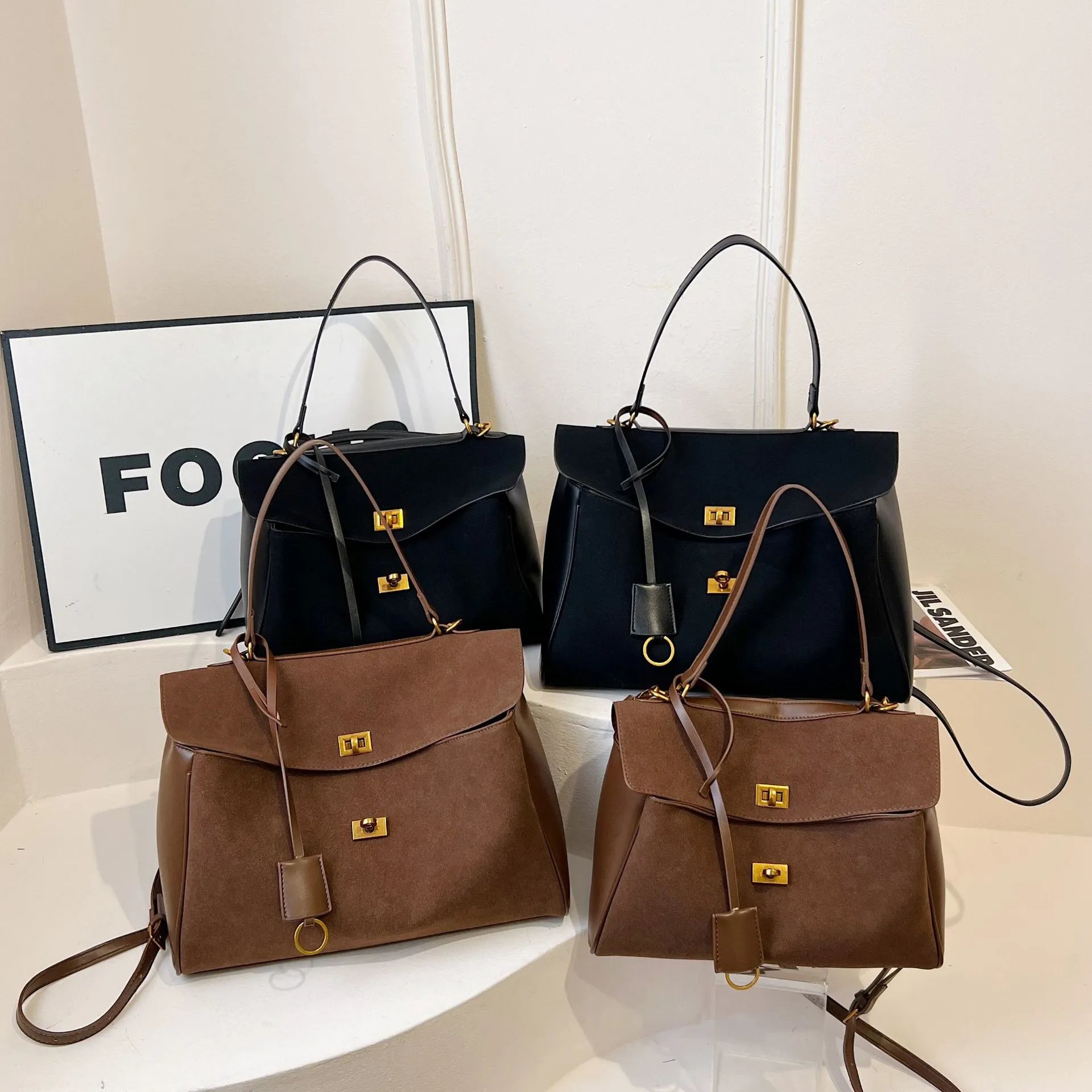
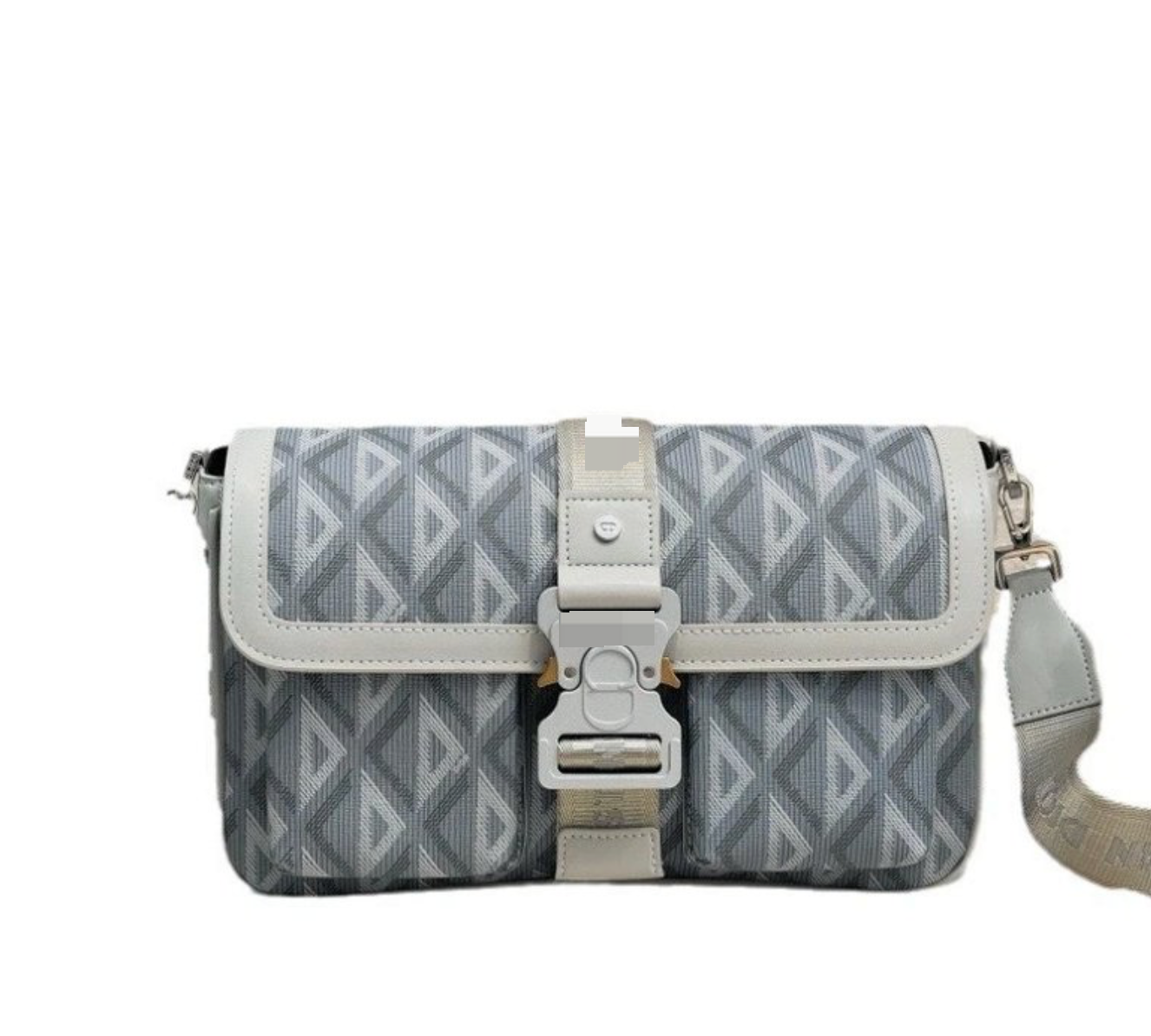
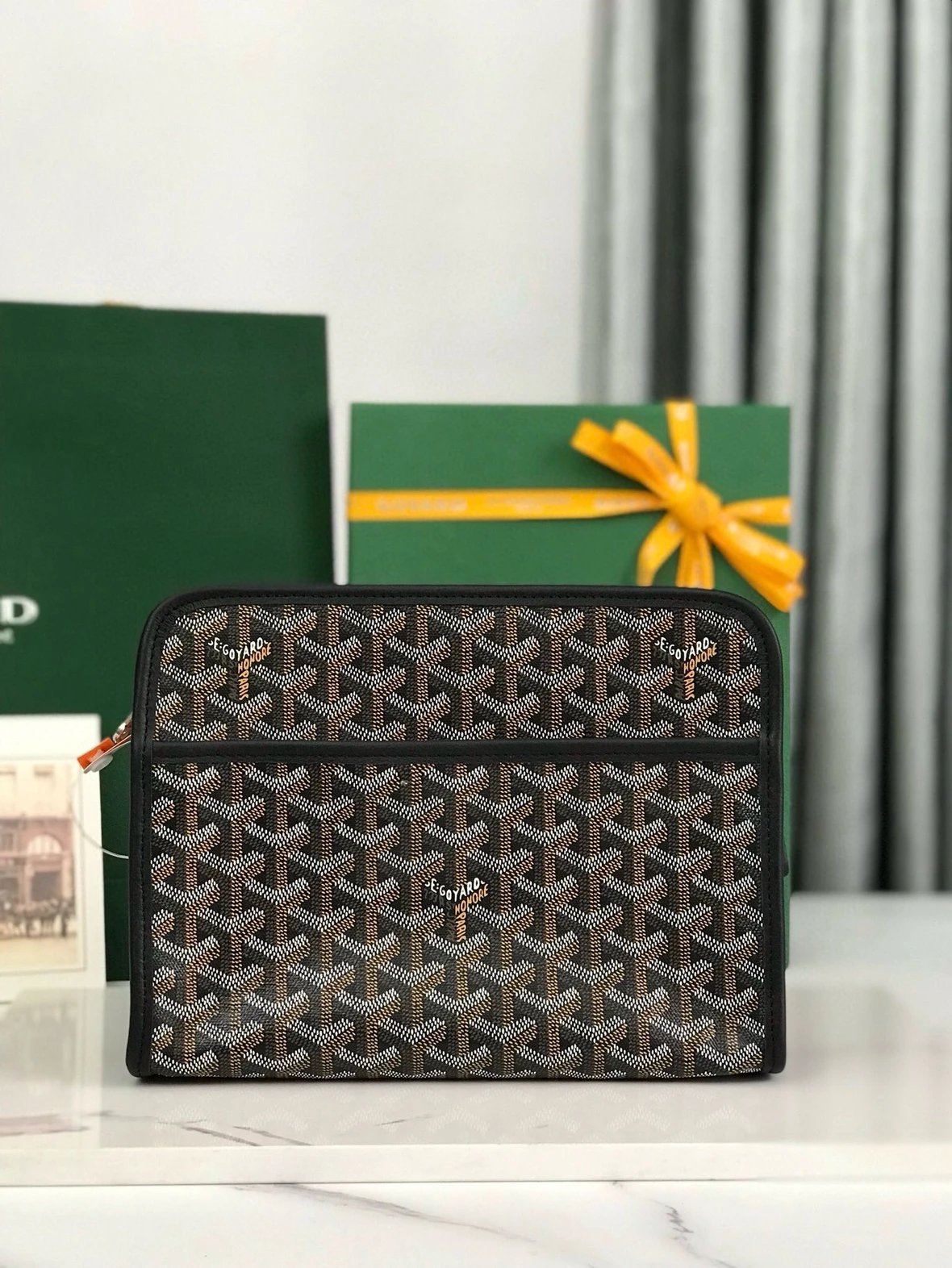
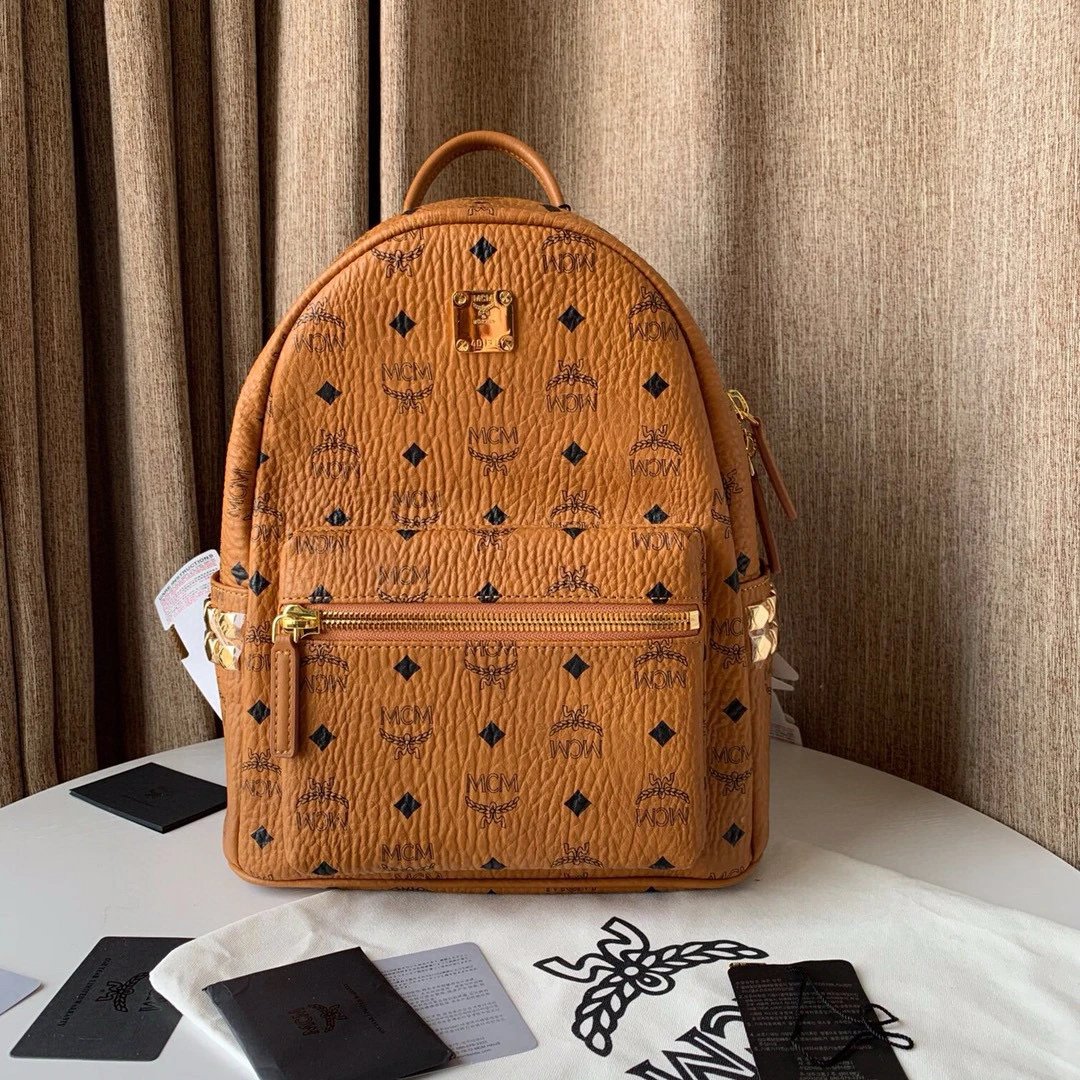
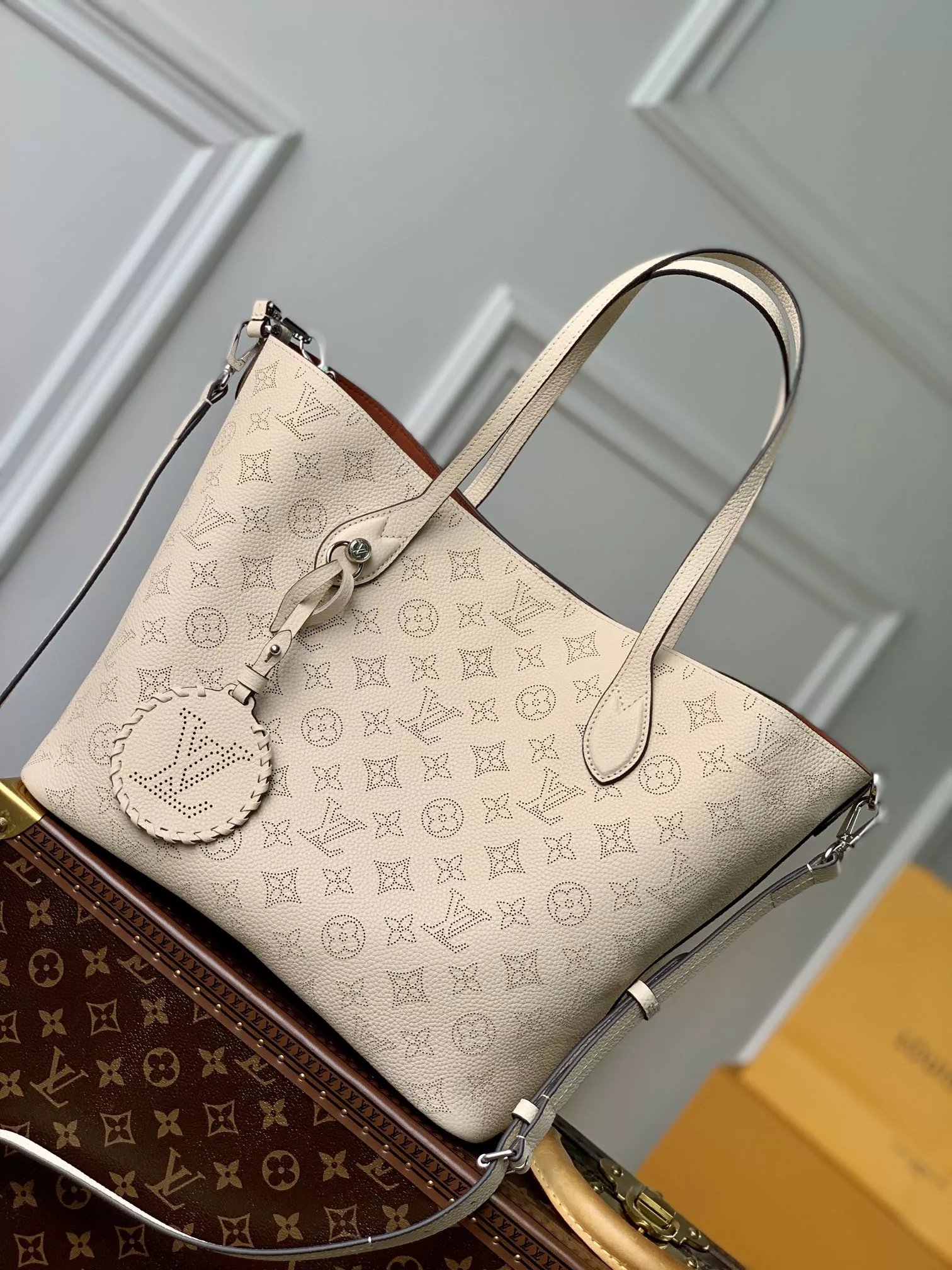
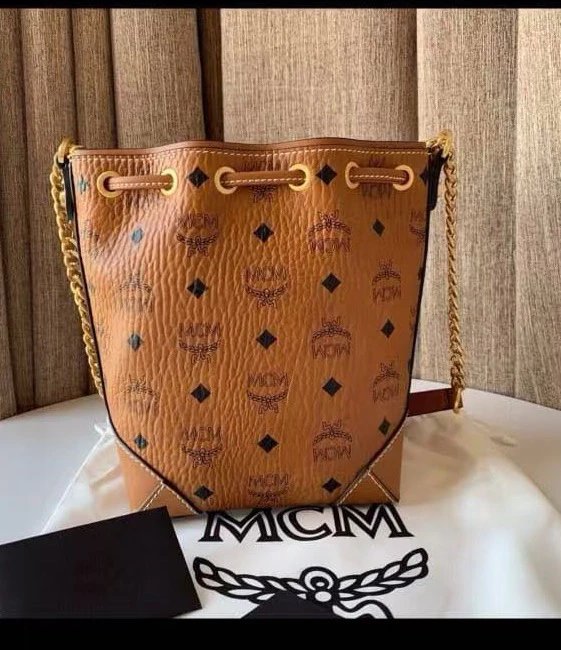
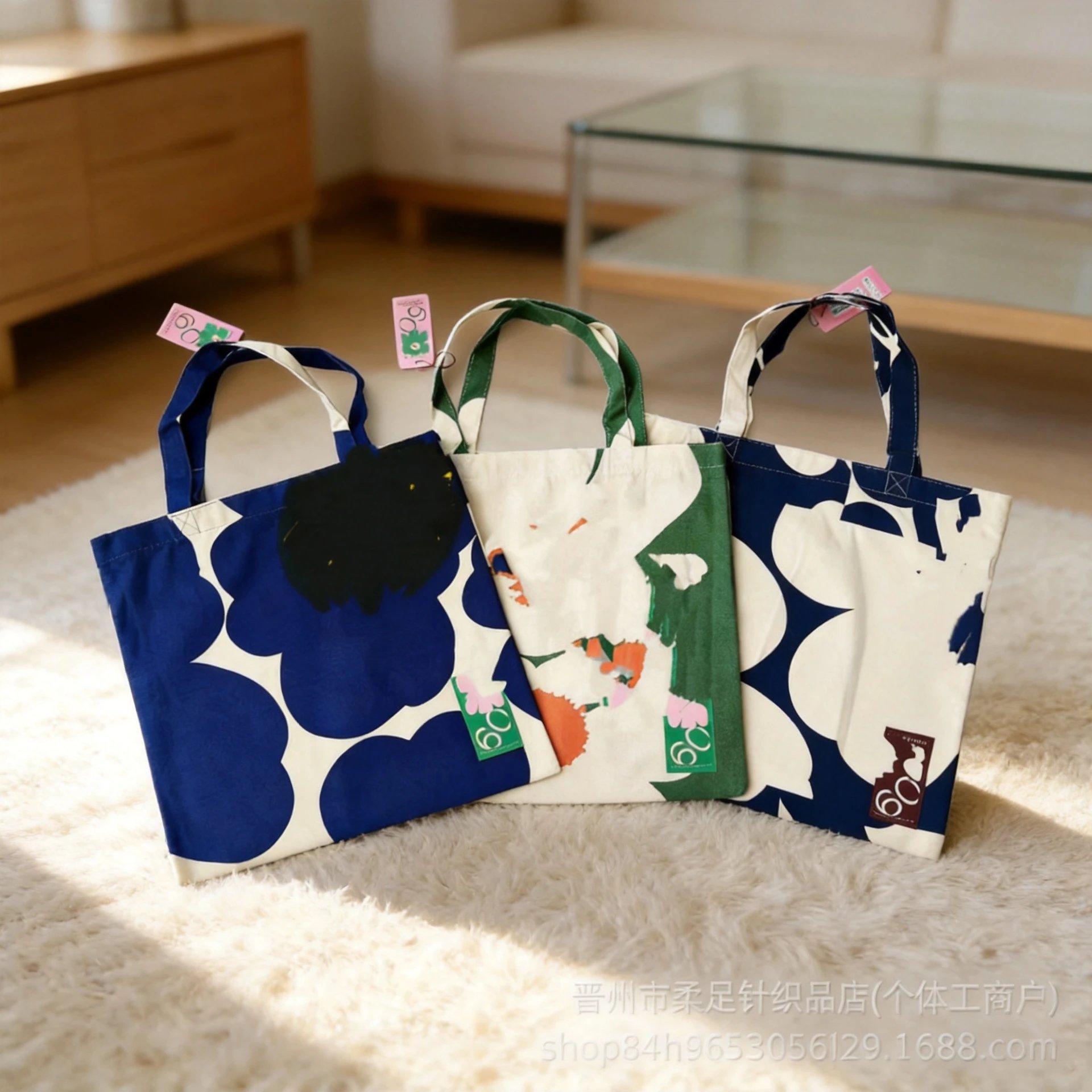
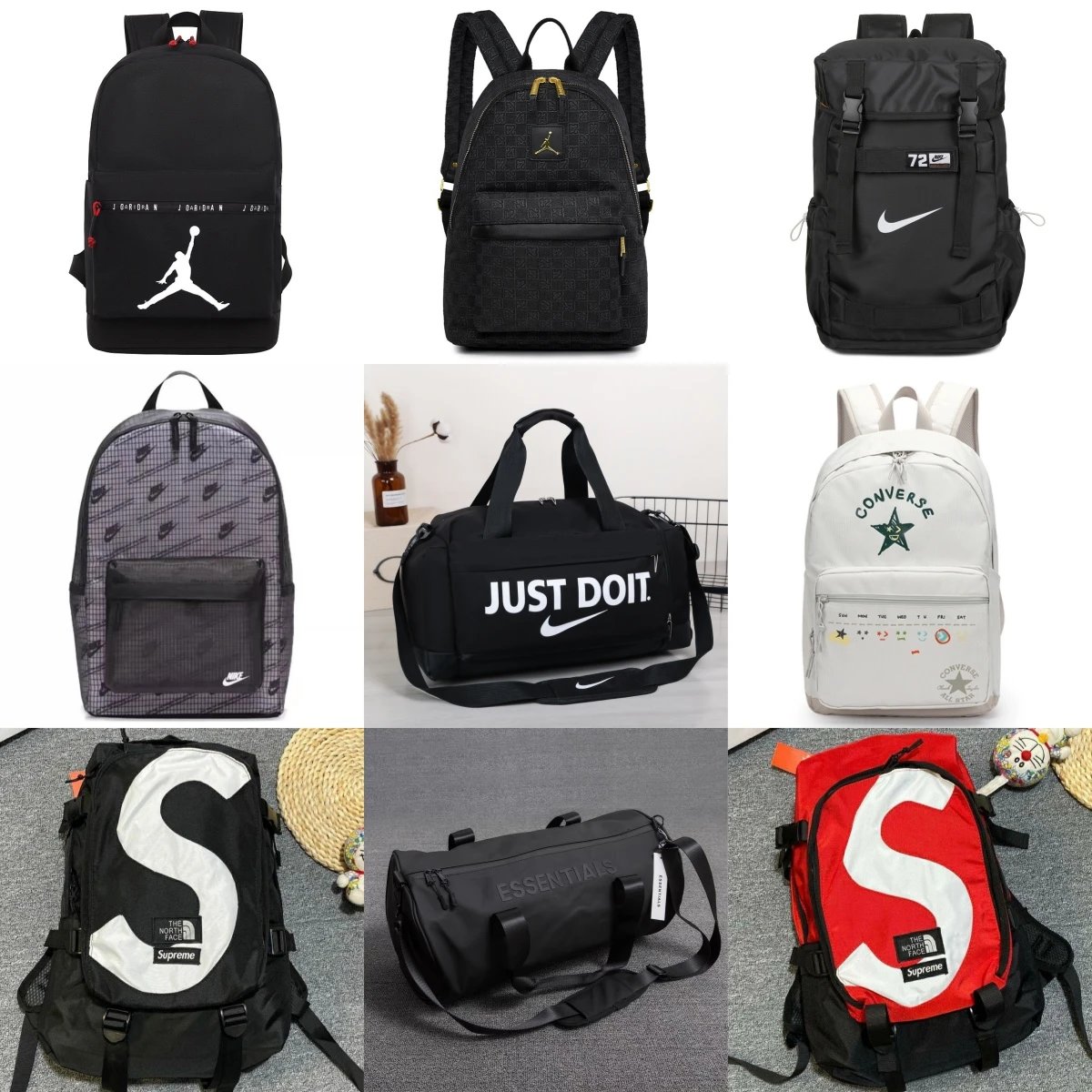
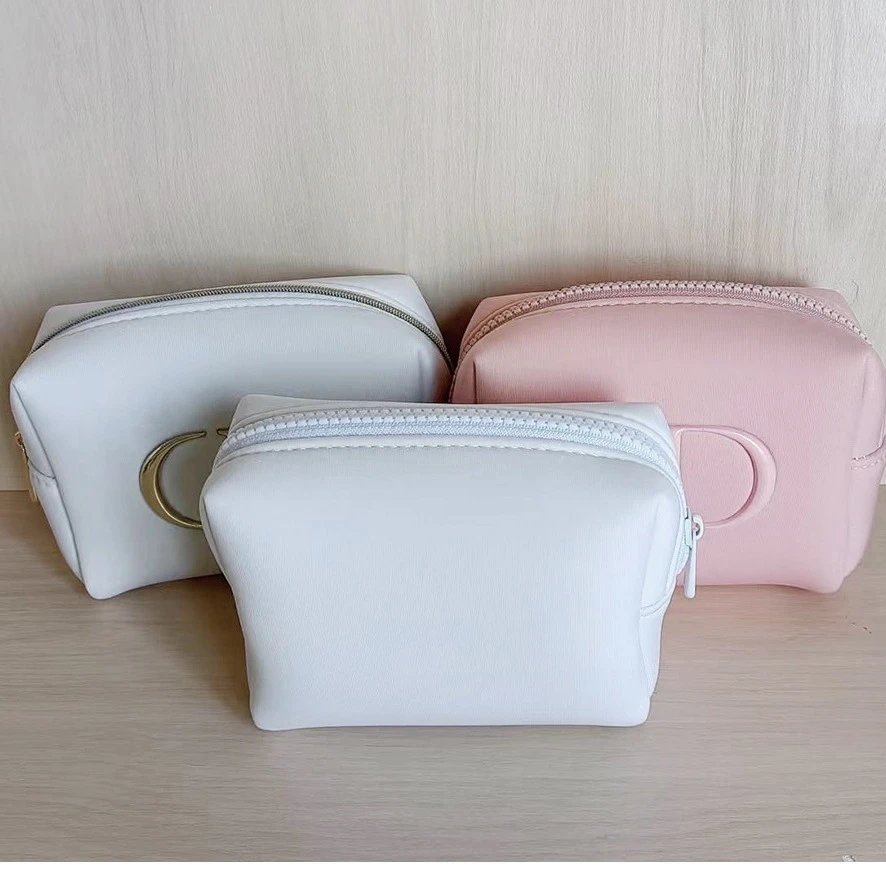
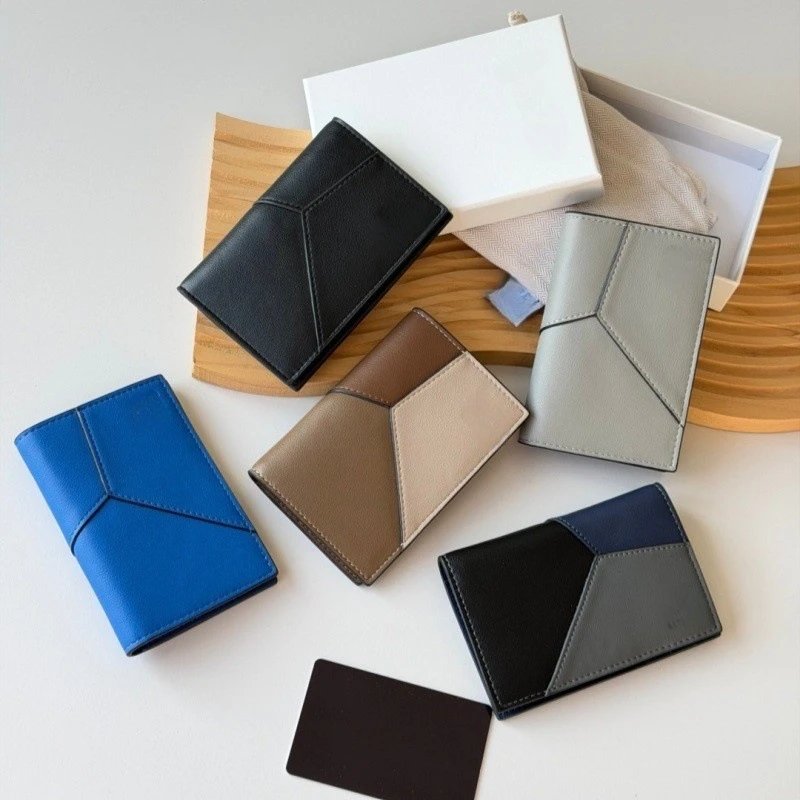
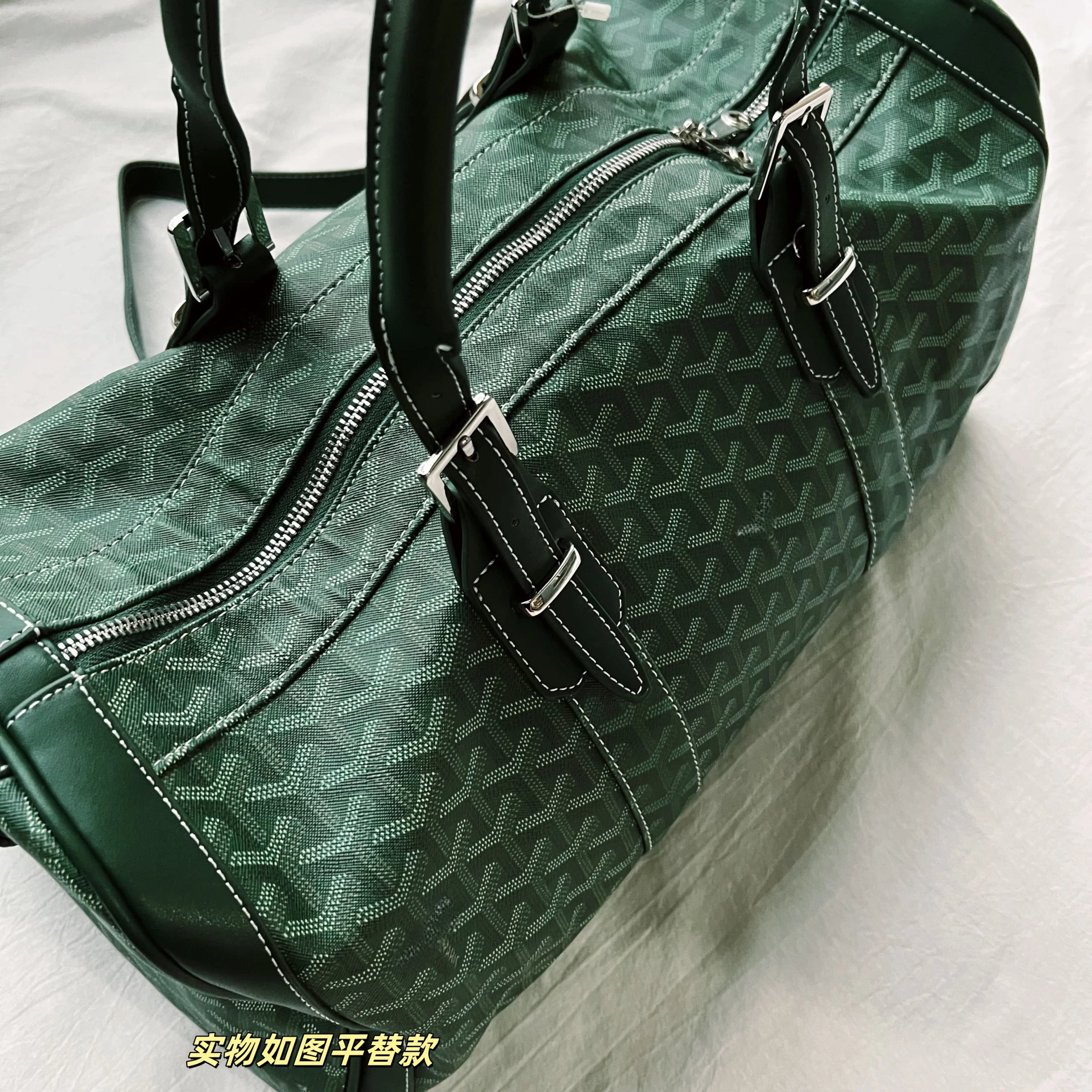
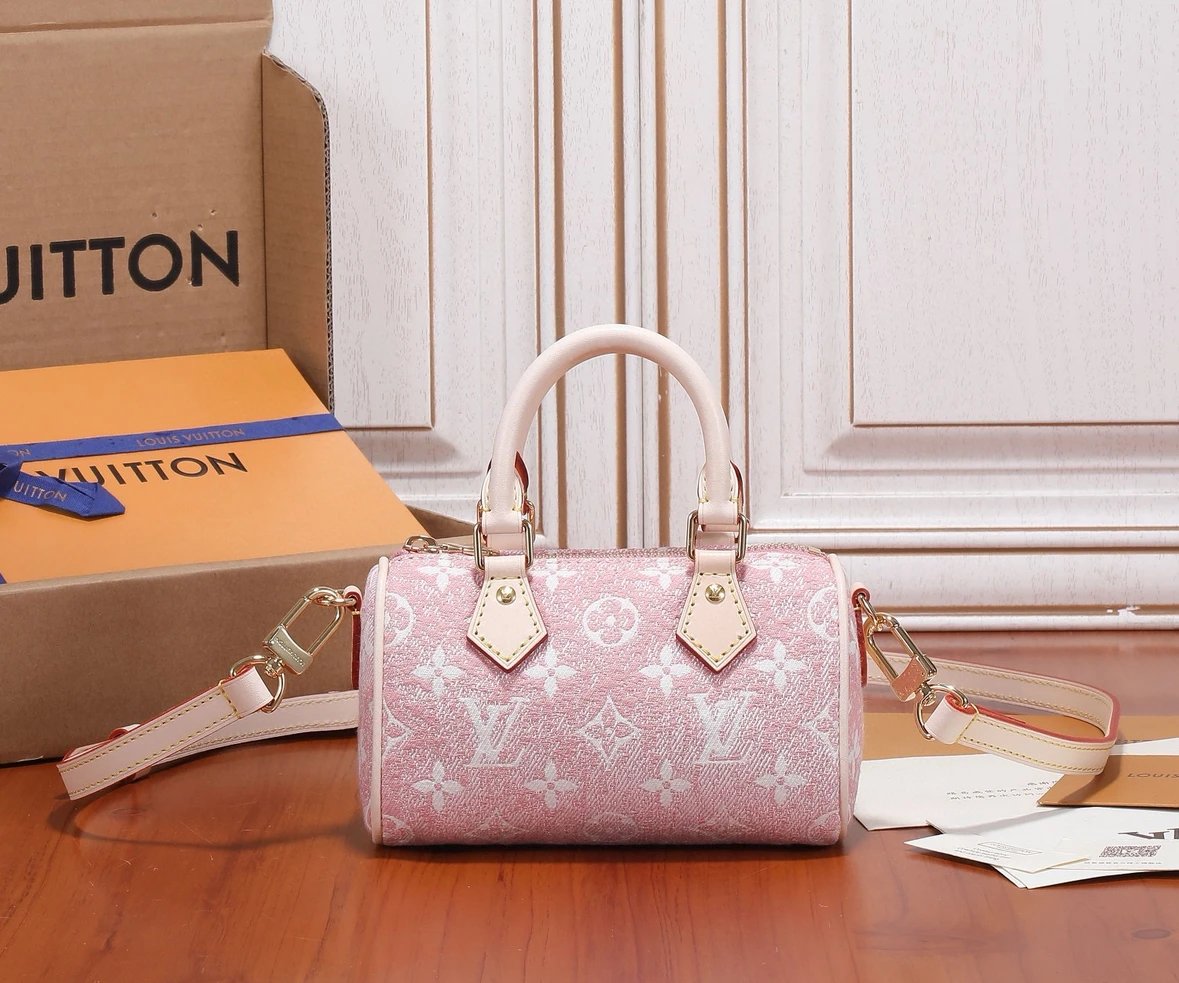
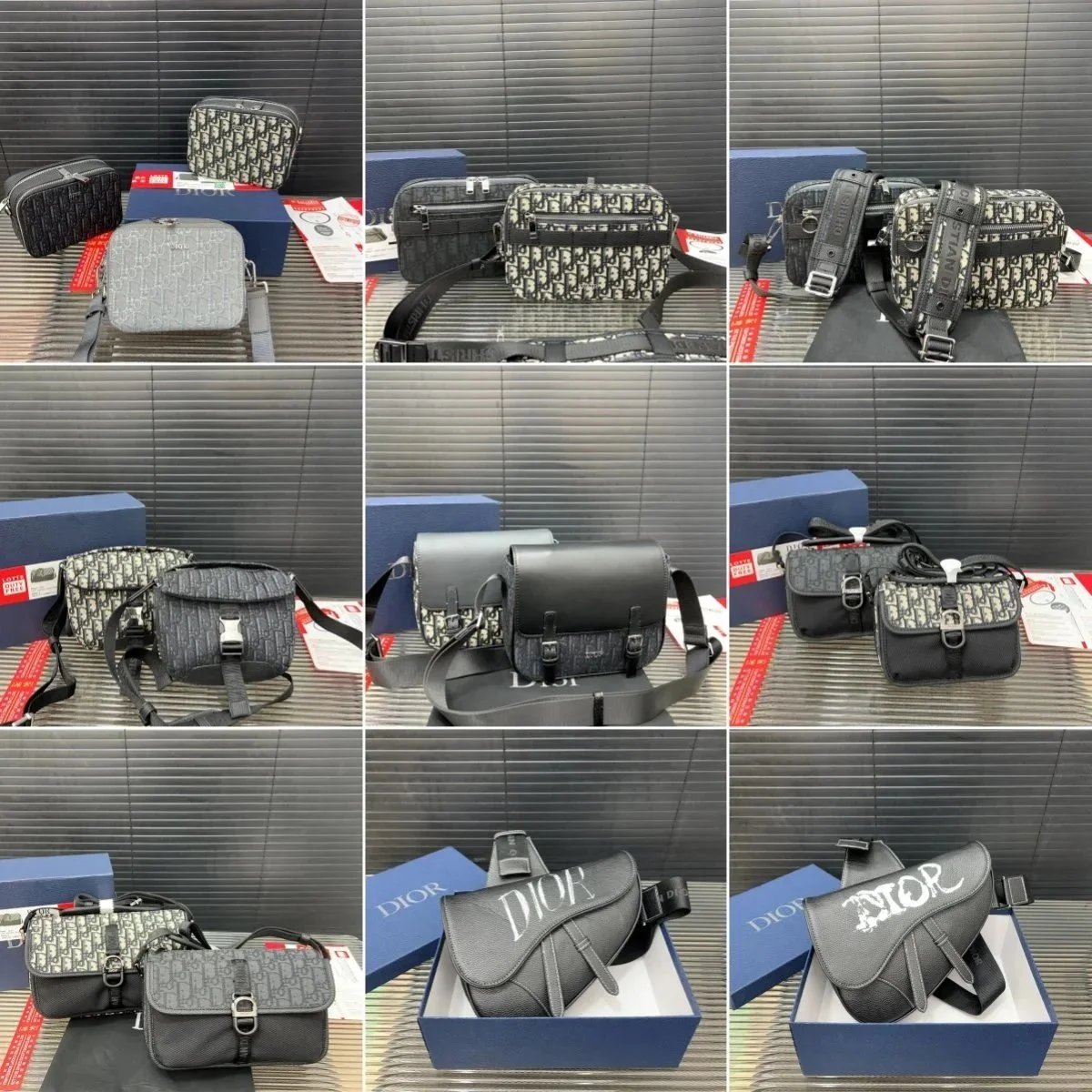
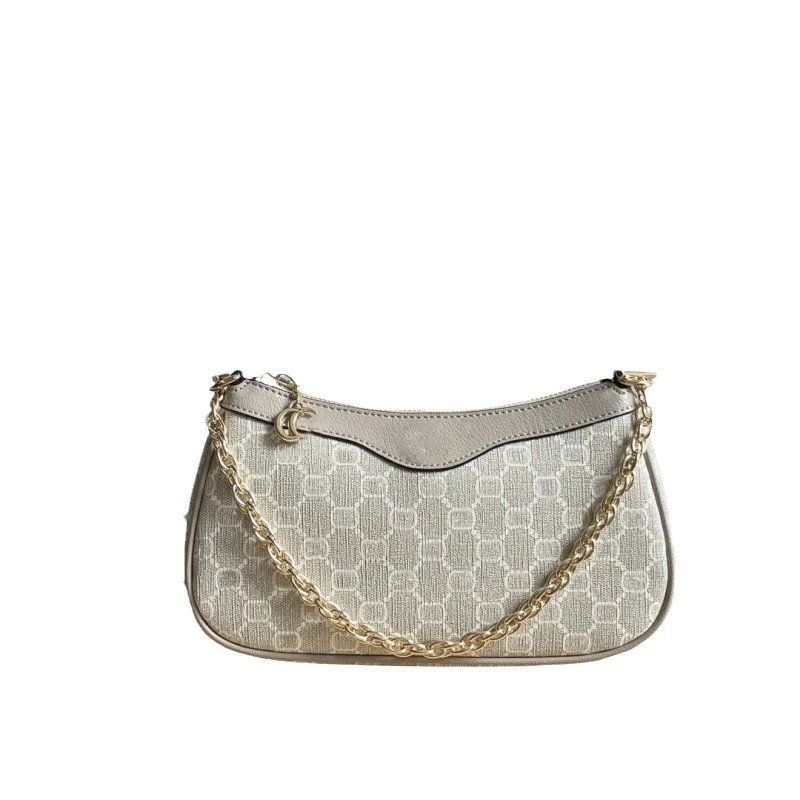
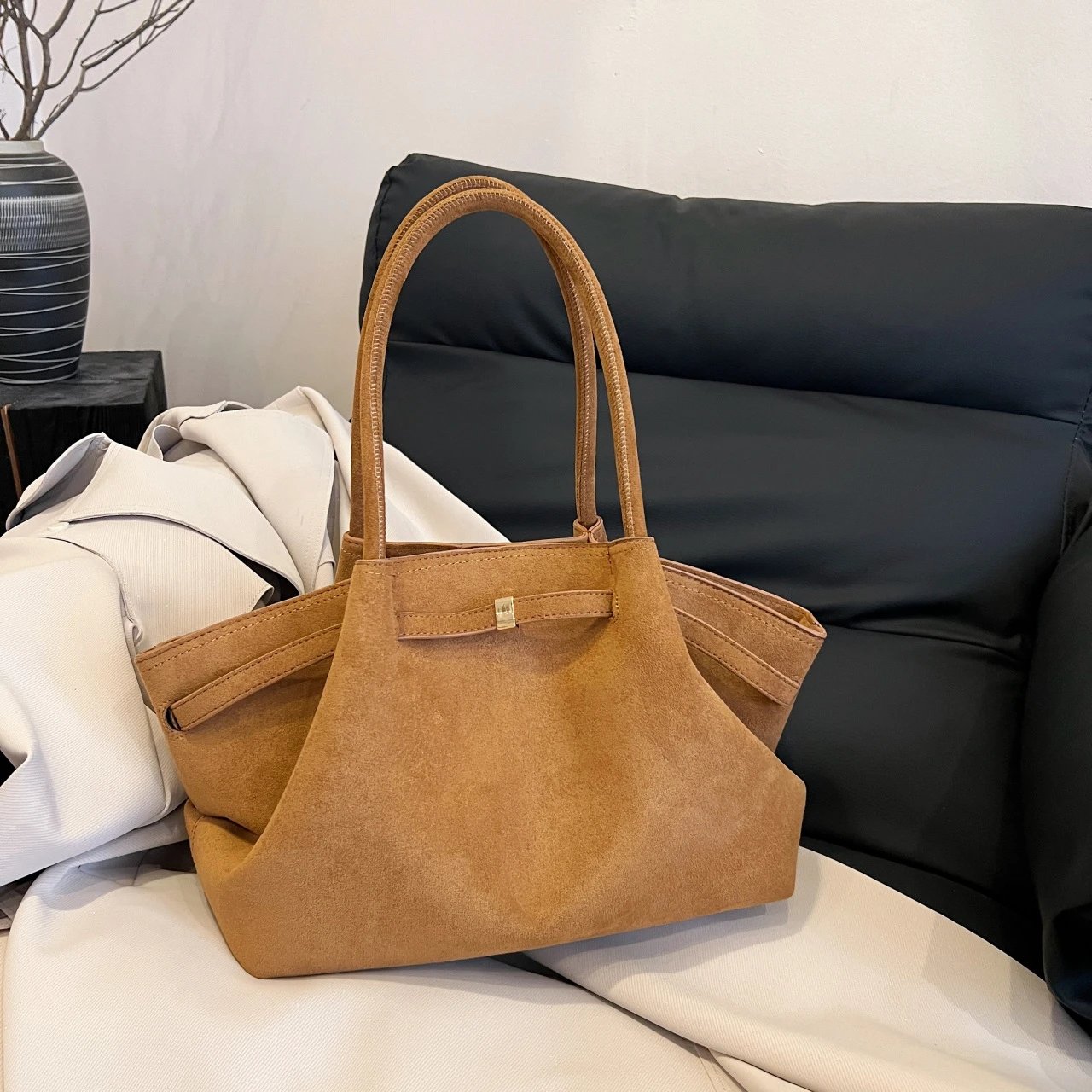
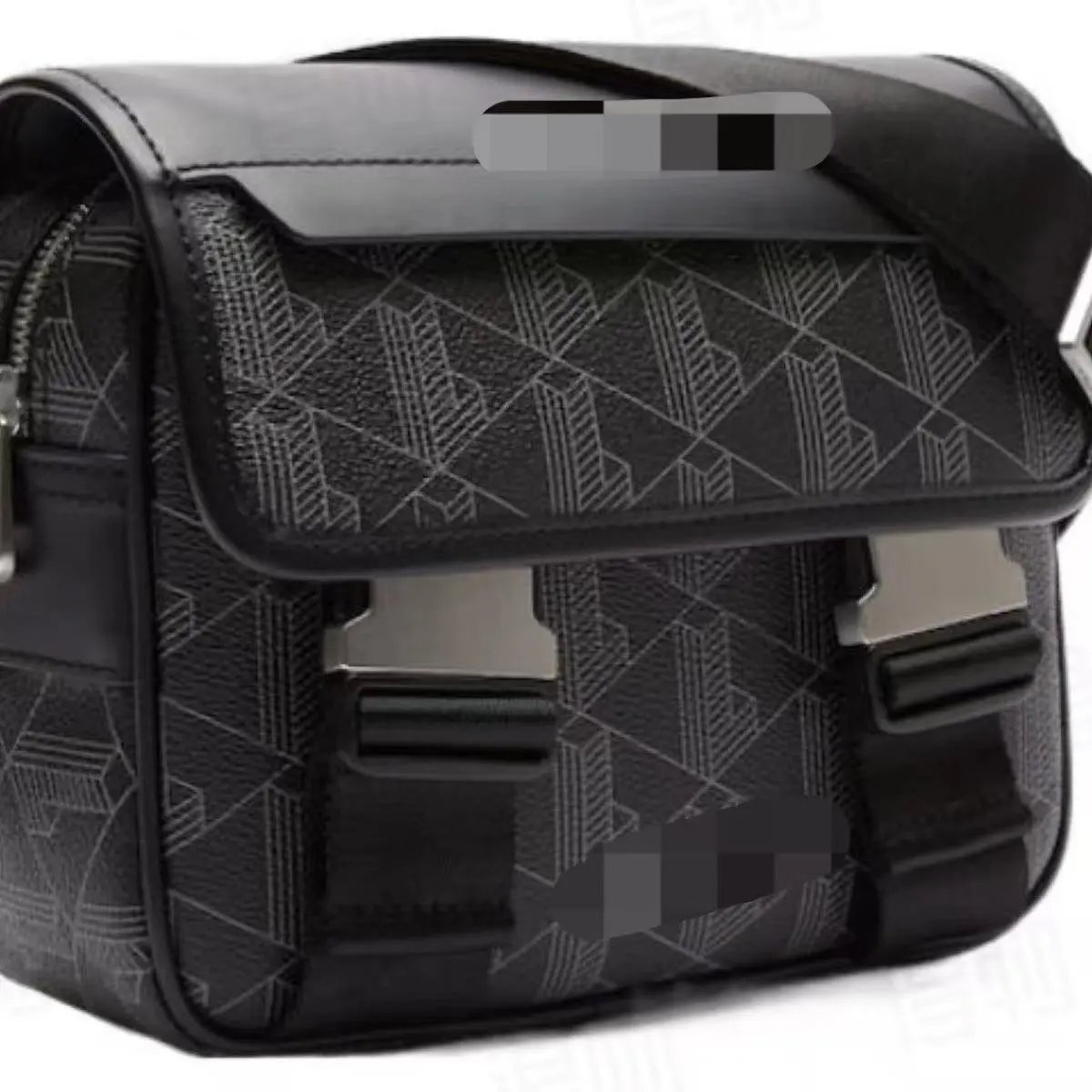
With bags, the details that age are hardware, leather or PU finish, and lining, so those are exactly what your QC photos should scrutinise. Oopbuy charges no service fee, which means more of your budget can go toward a make whose materials and construction actually hold up to daily use.
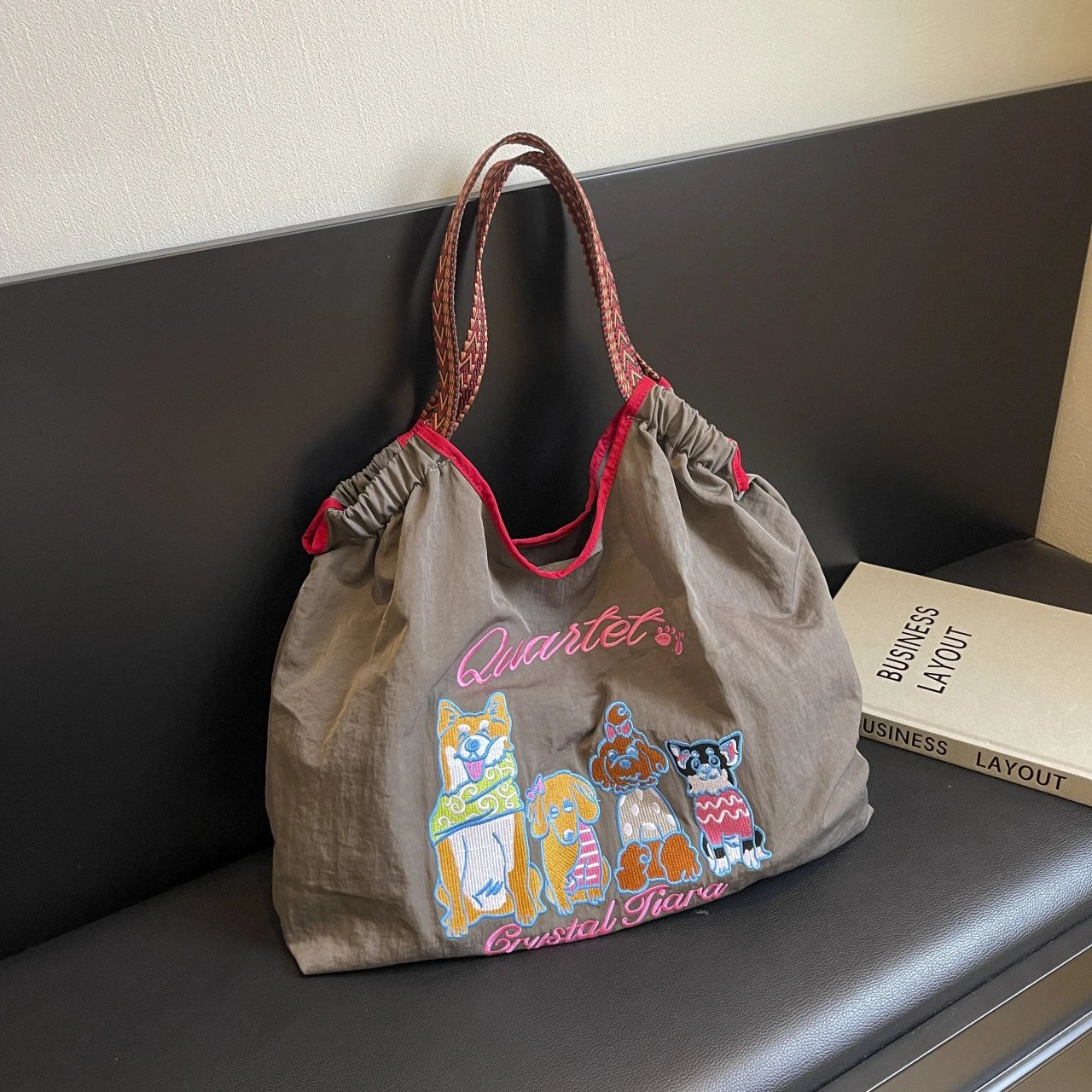
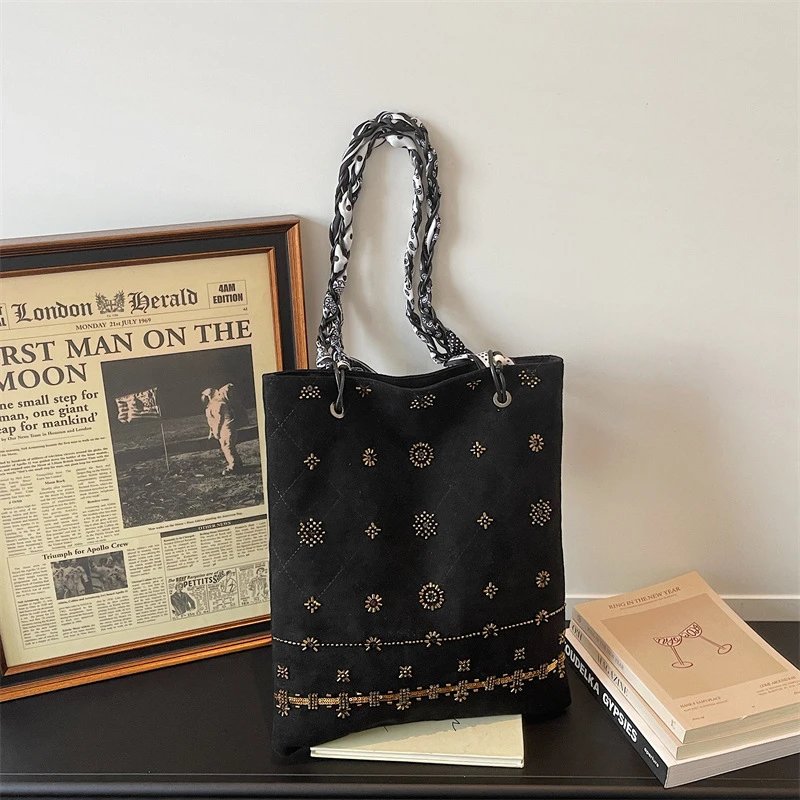
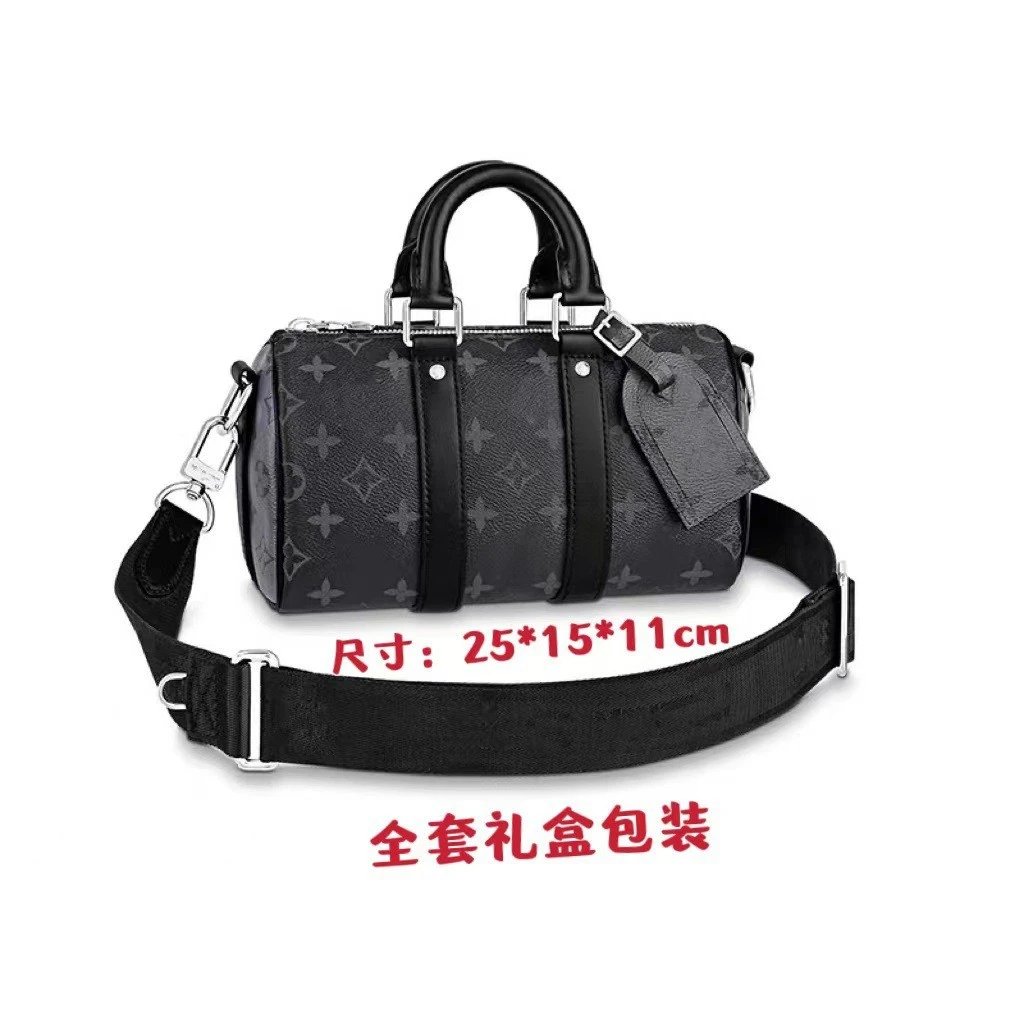
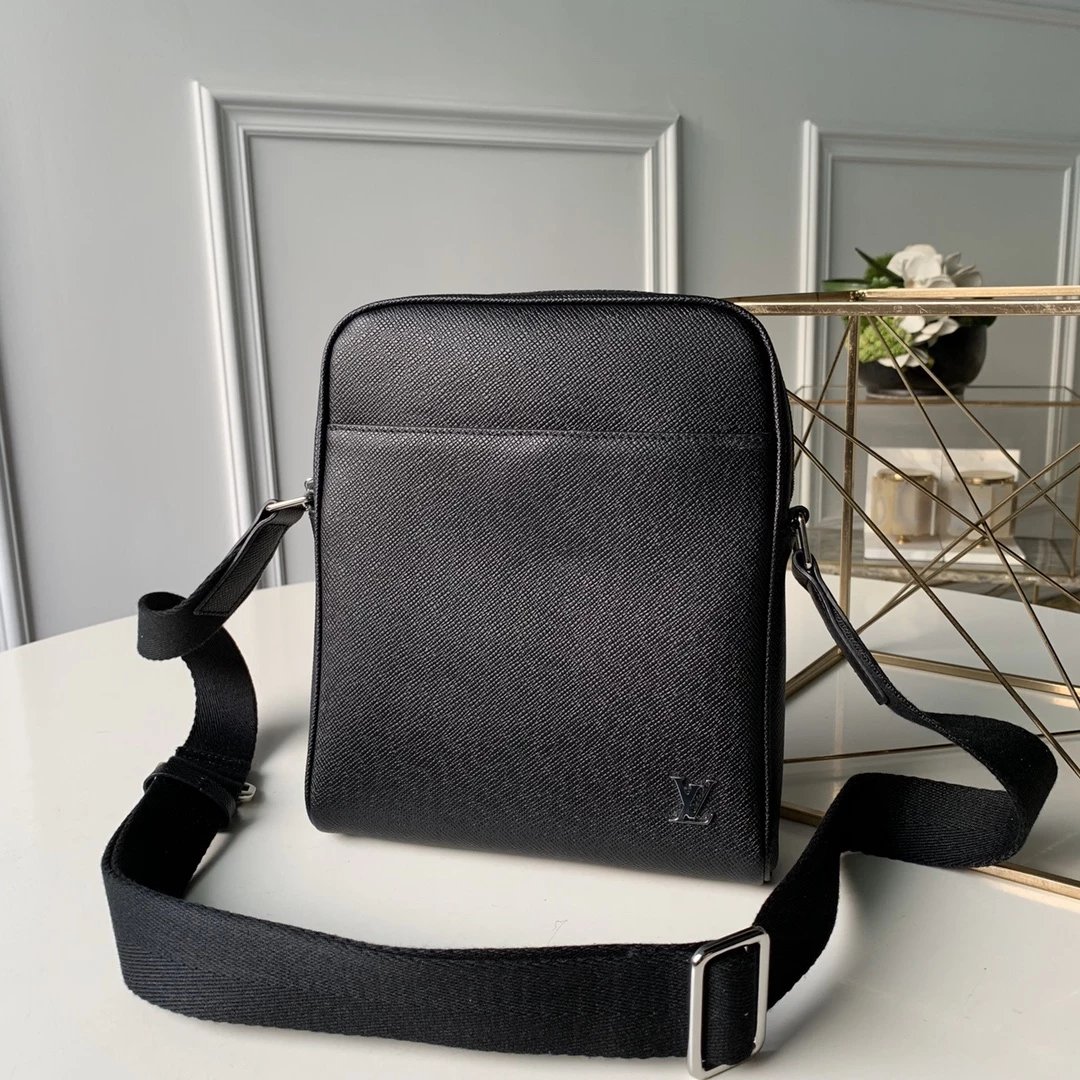
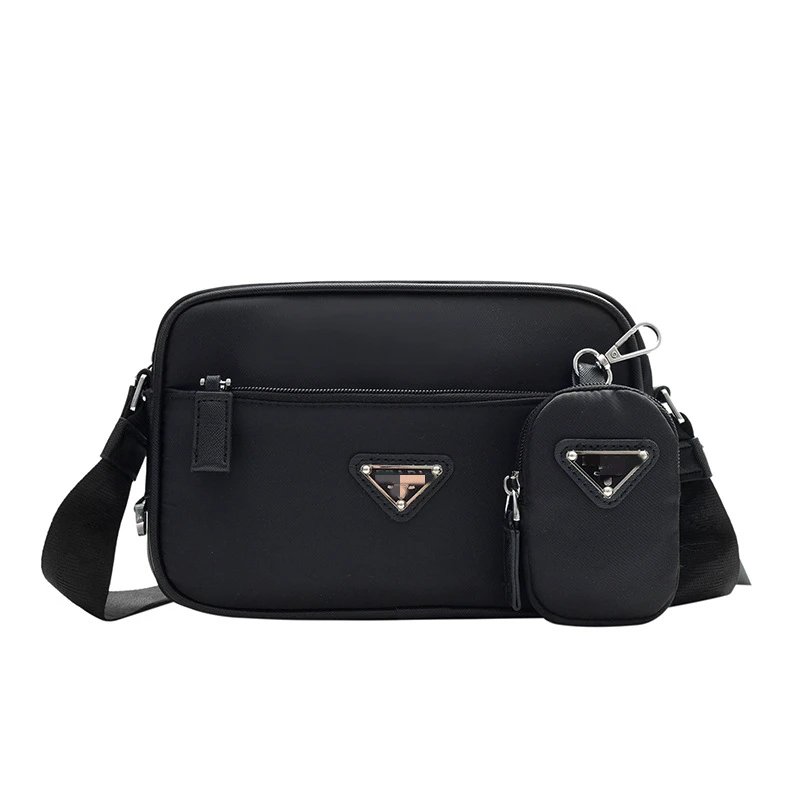
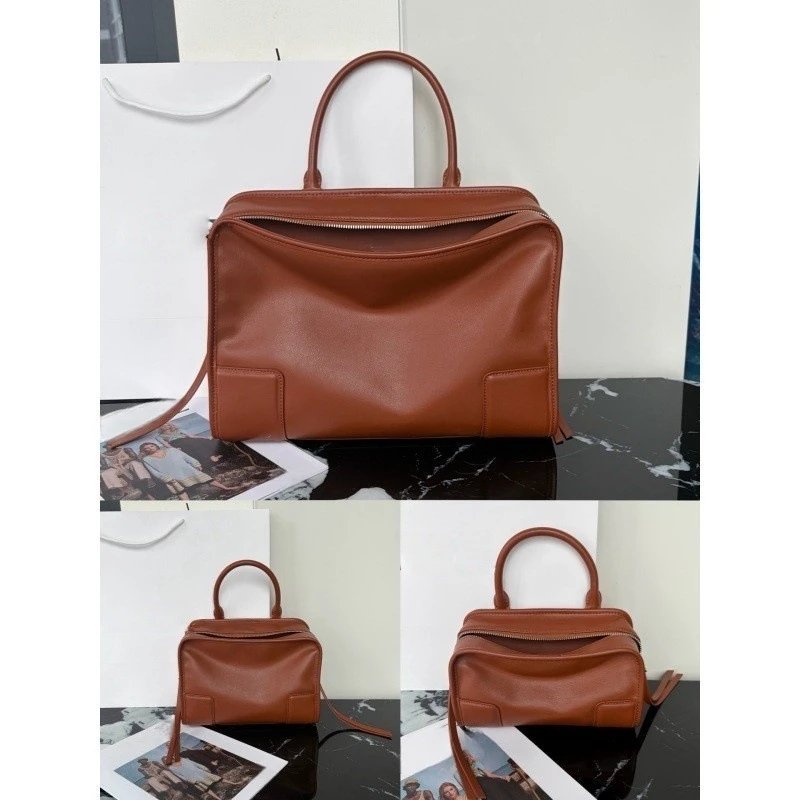
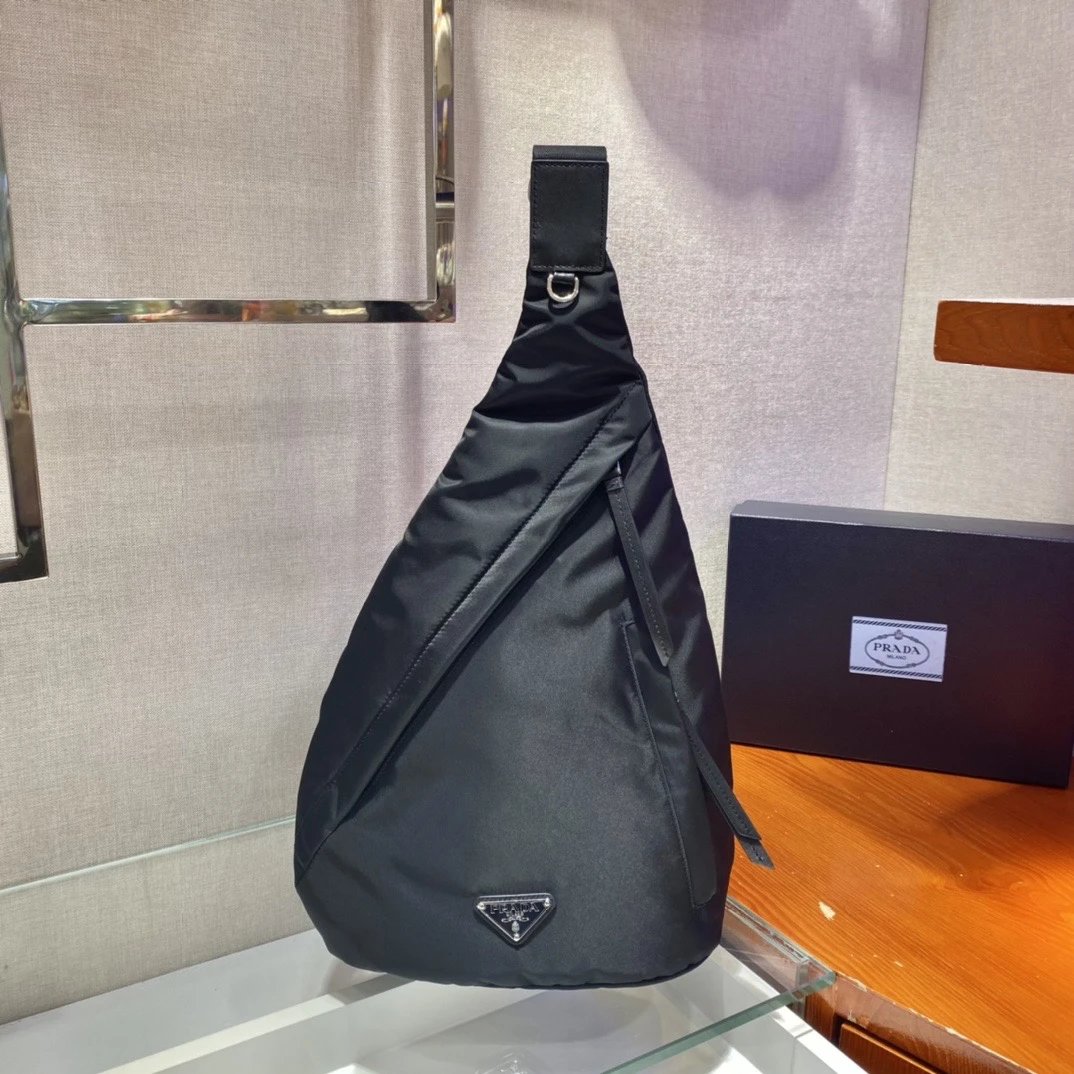
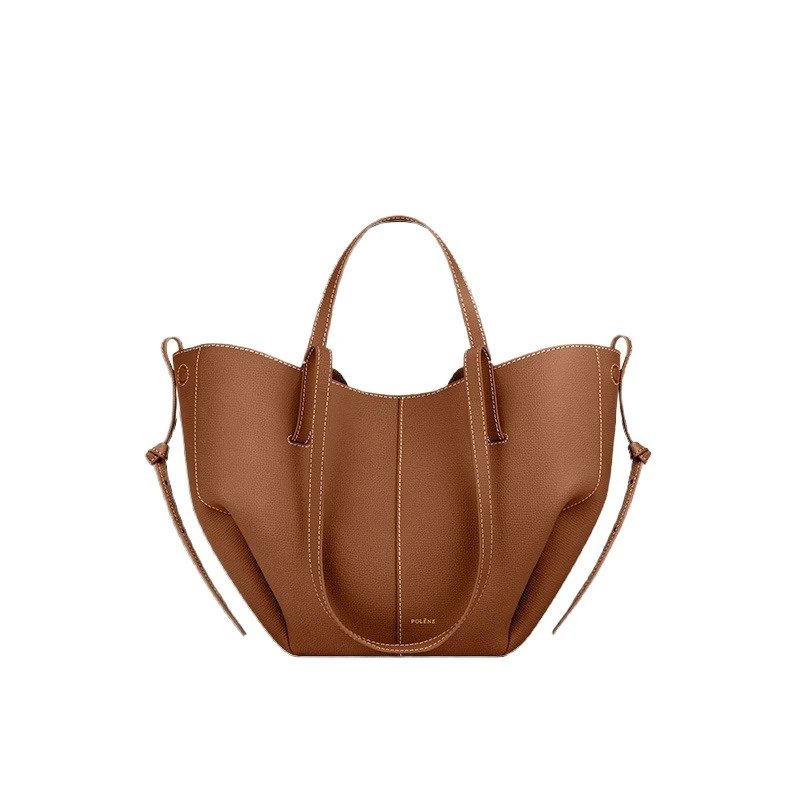
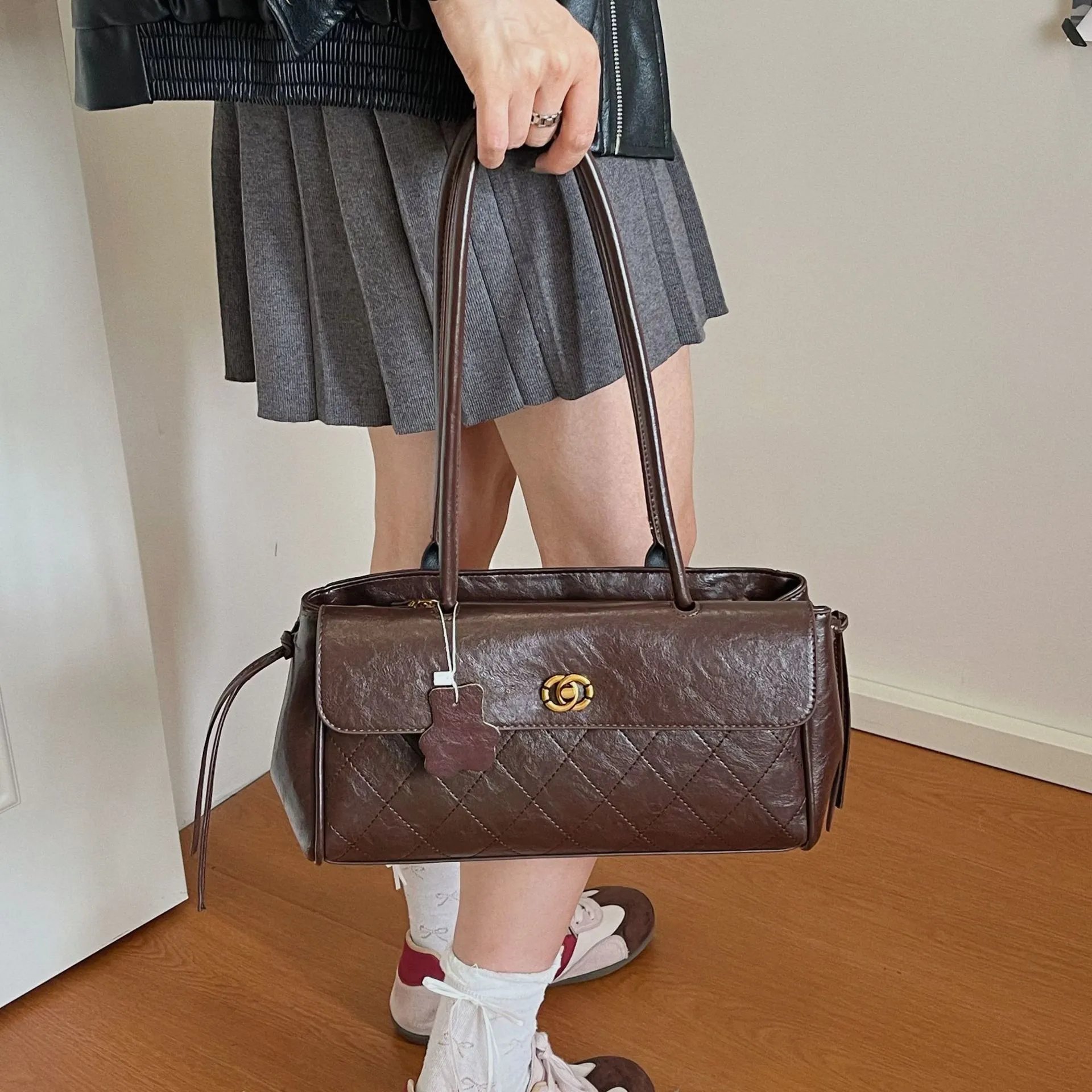
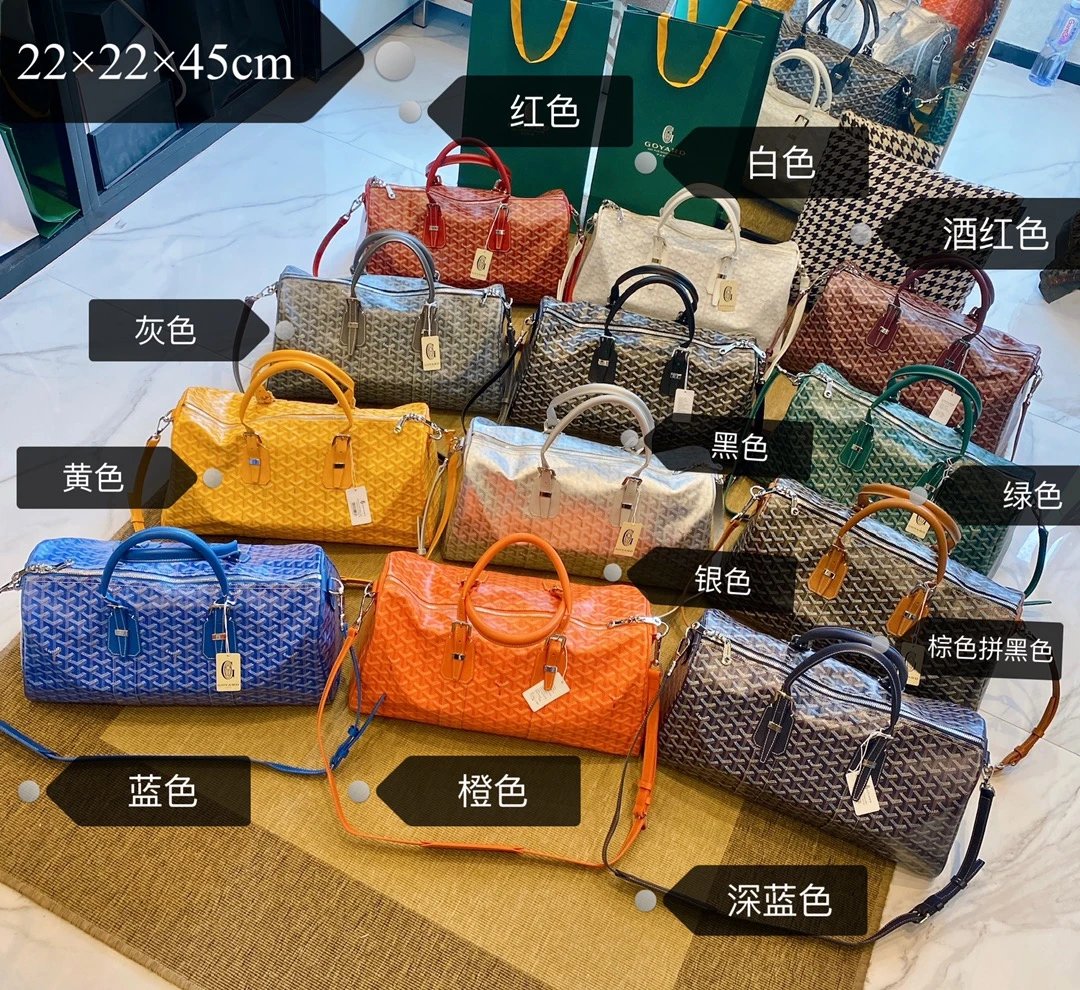
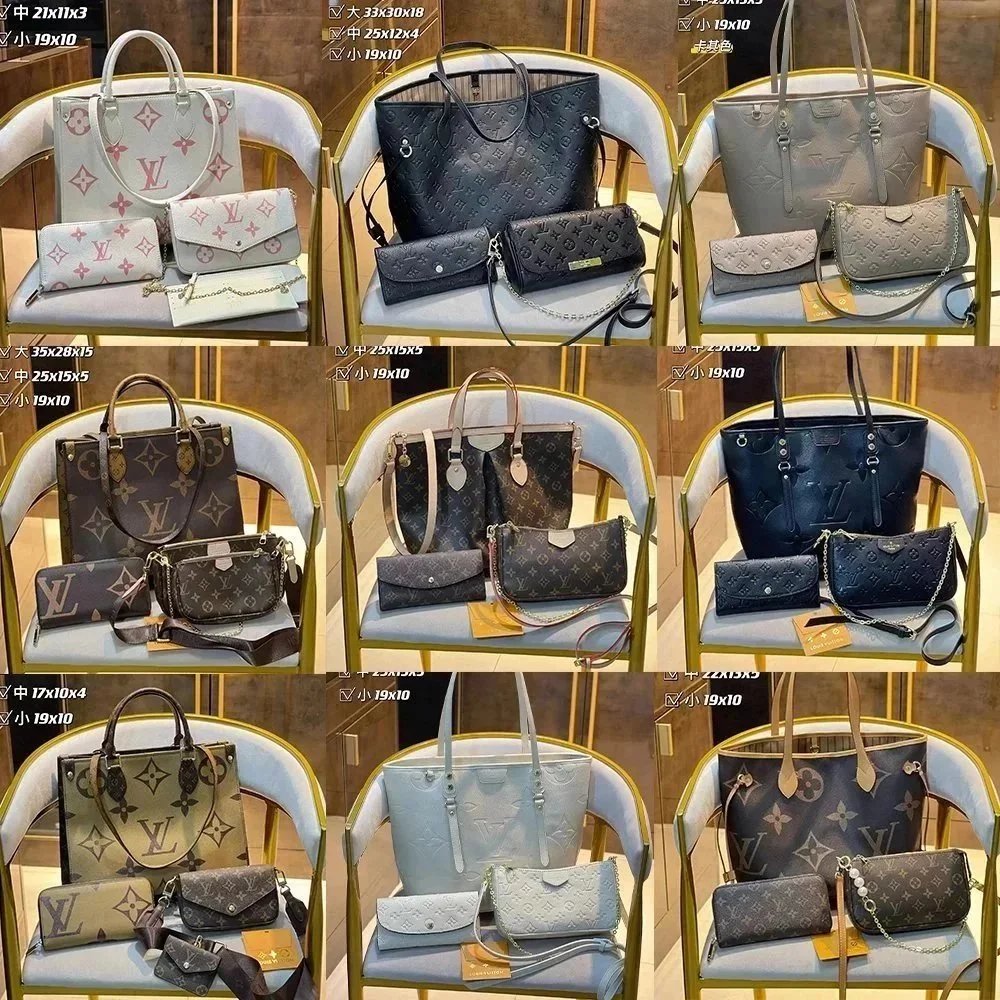
Start with dimensions, because bags are the easiest item to misjudge from a photo. Read the width, height, and depth in centimetres and picture them against a bag you own or a phone for scale. A "tote" that looks roomy on screen can be pouch-sized in person, and a "mini" can be larger than expected. Getting the size right is the single best way to avoid disappointment here.
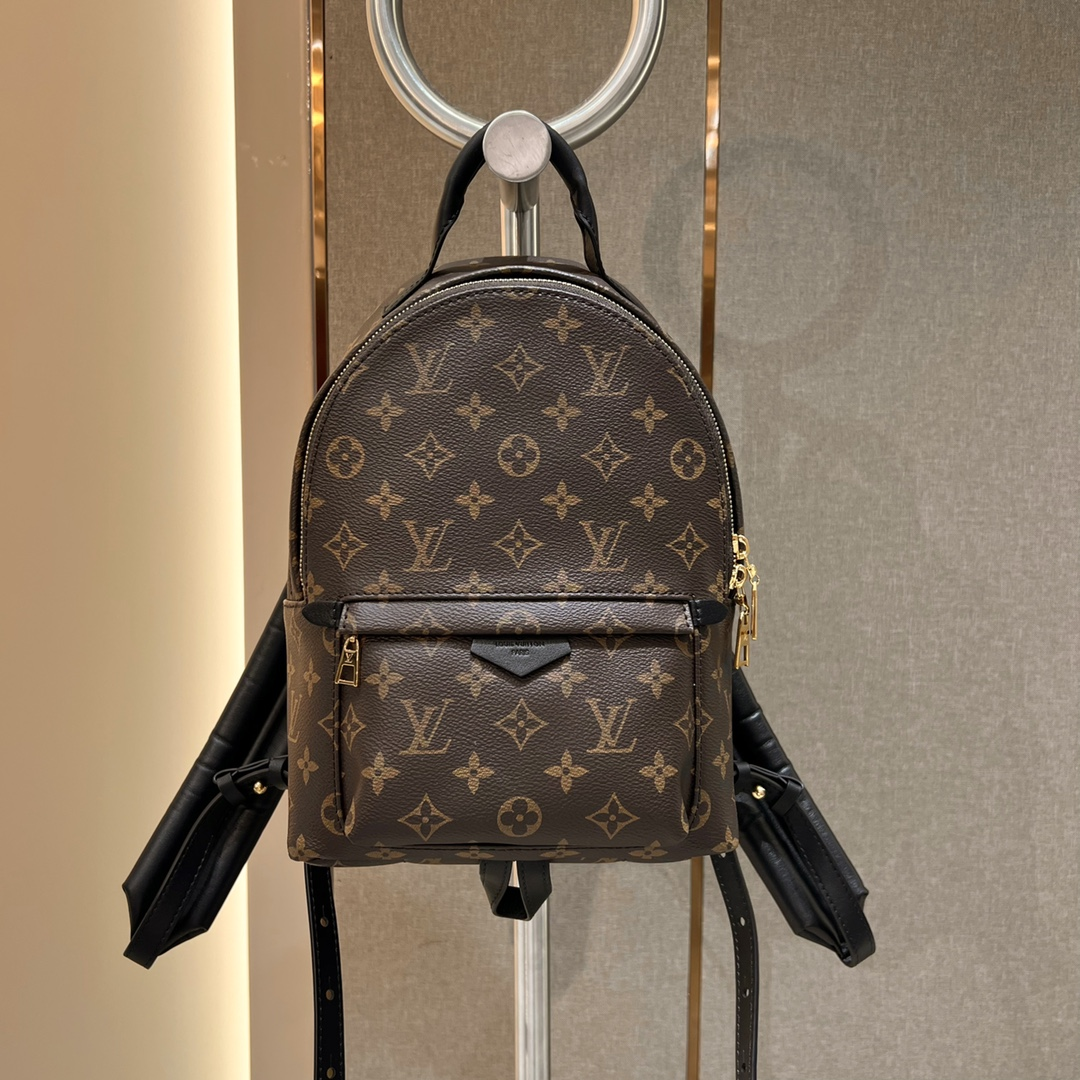
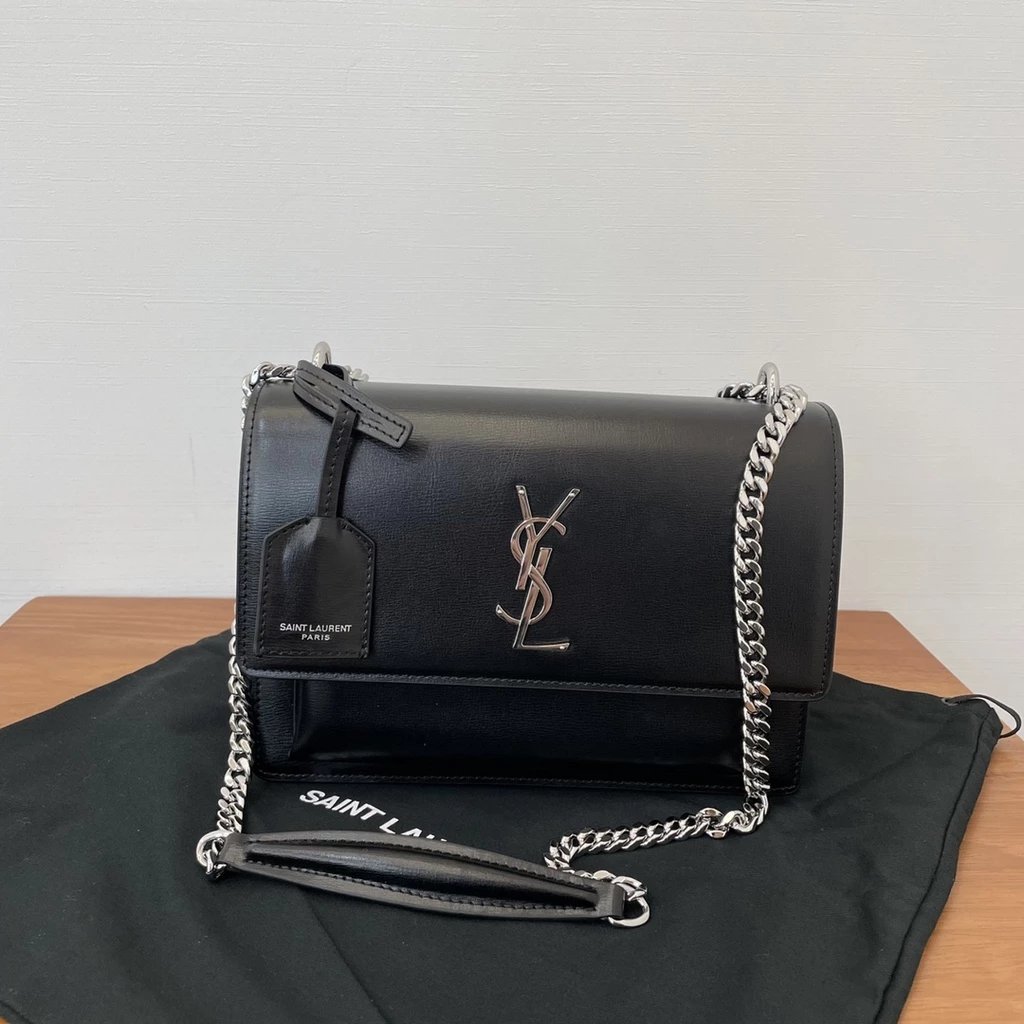
When your photos arrive, work through the build:
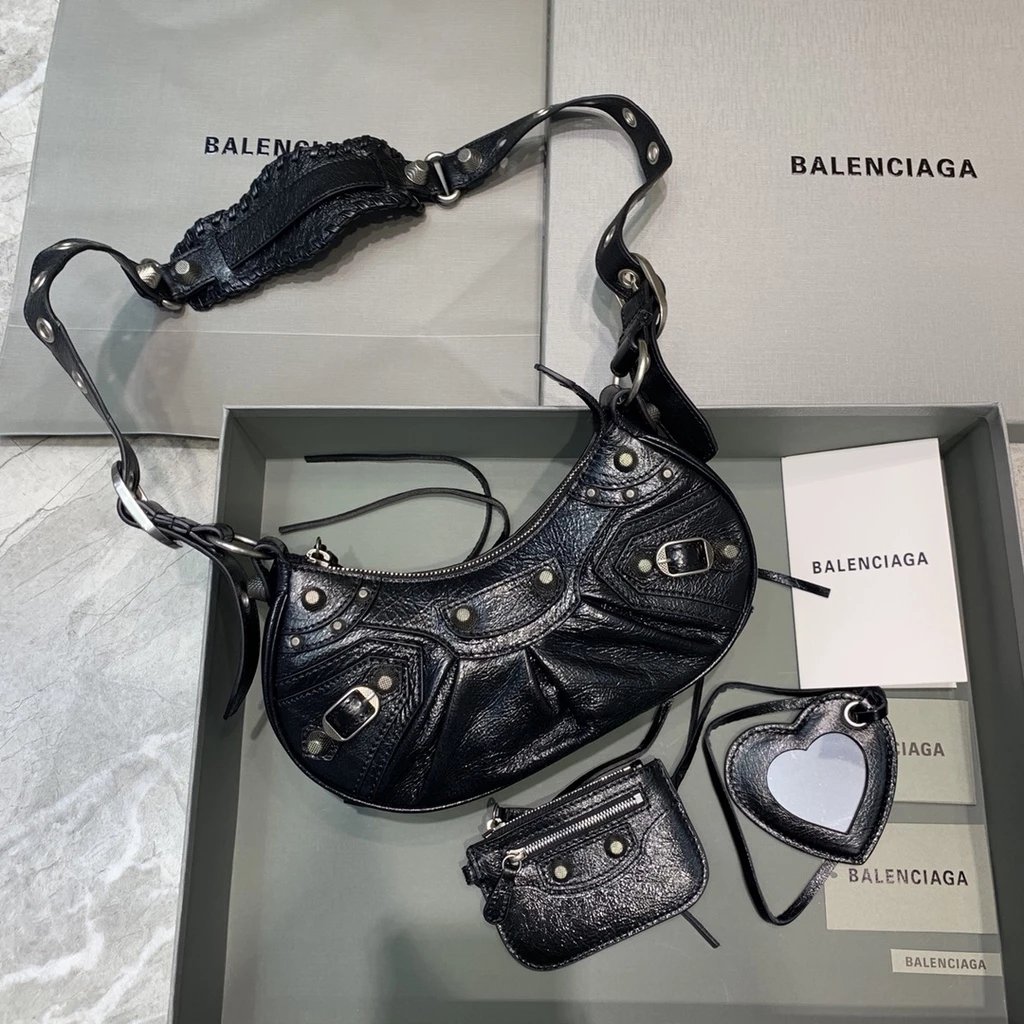
On the "realism" extras, be sensible. Dust bags, cards, and any date or serial markings vary a lot between makes, and their presence or accuracy is not guaranteed. Confirm in the listing what is included and use QC photos to check what arrives rather than assuming a full set. Font and placement on any stamped branding are common tells, so compare them to a reference if that matters to you.
Bags are bulky and structured, so they can dominate a parcel's volume even when light; a rigid tote or backpack takes space a soft garment would not. Factor that into whether you ship it alone or consolidate. Ask for extra padding so hardware and corners don't get scuffed in transit.
For live shipping estimates, current pricing, and any promotions, check the Oopbuy listing and your dashboard rather than older numbers. Prioritise clean hardware and honest dimensions over a long extras checklist, and your bag will look right where it counts.
![Tactical Utility Bag [1 style]](https://si.geilicdn.com/open1769158365-252808396-6df600000198efd751120aa0c791_1200_1200.jpg?imageMogr2/format/webp/thumbnail/400x400)