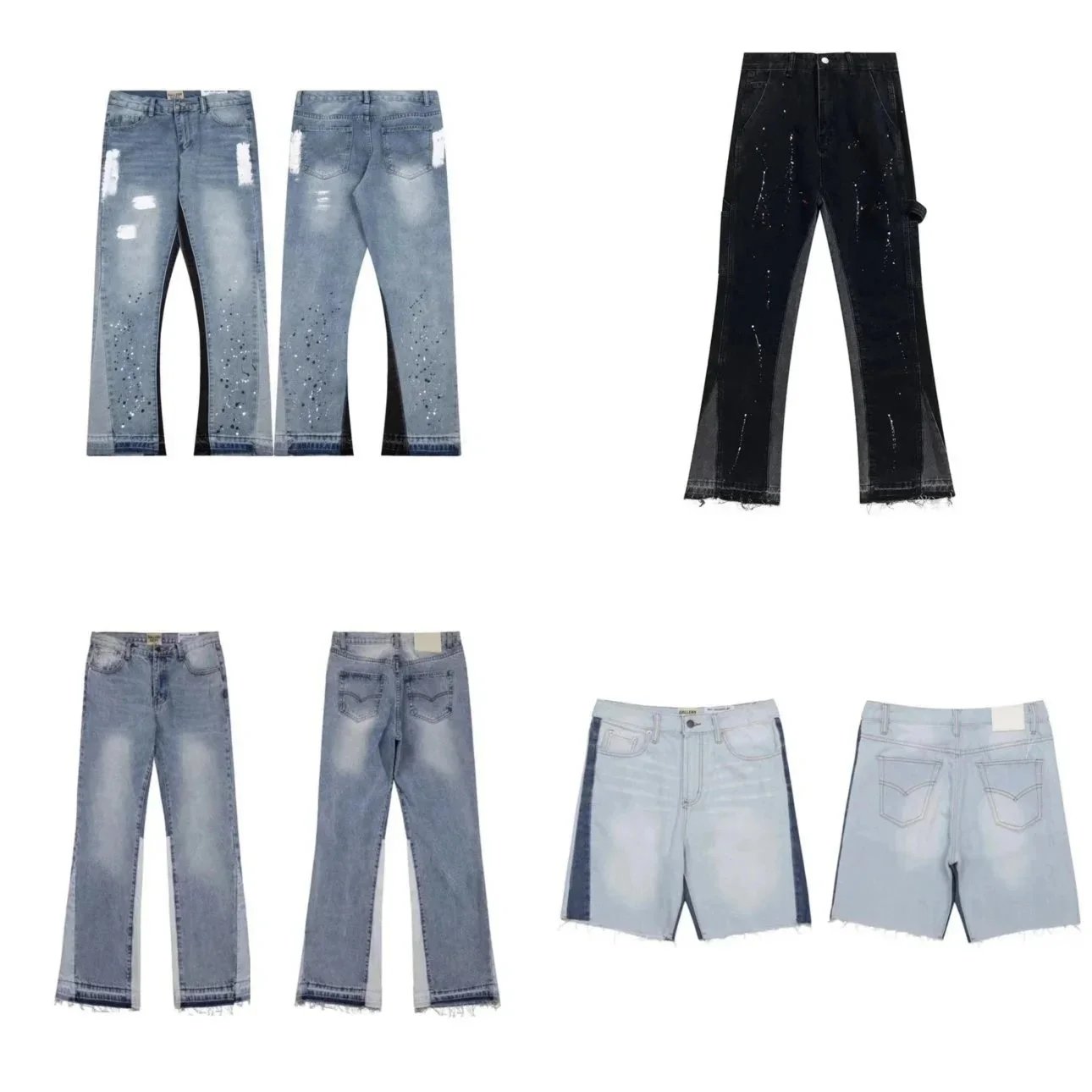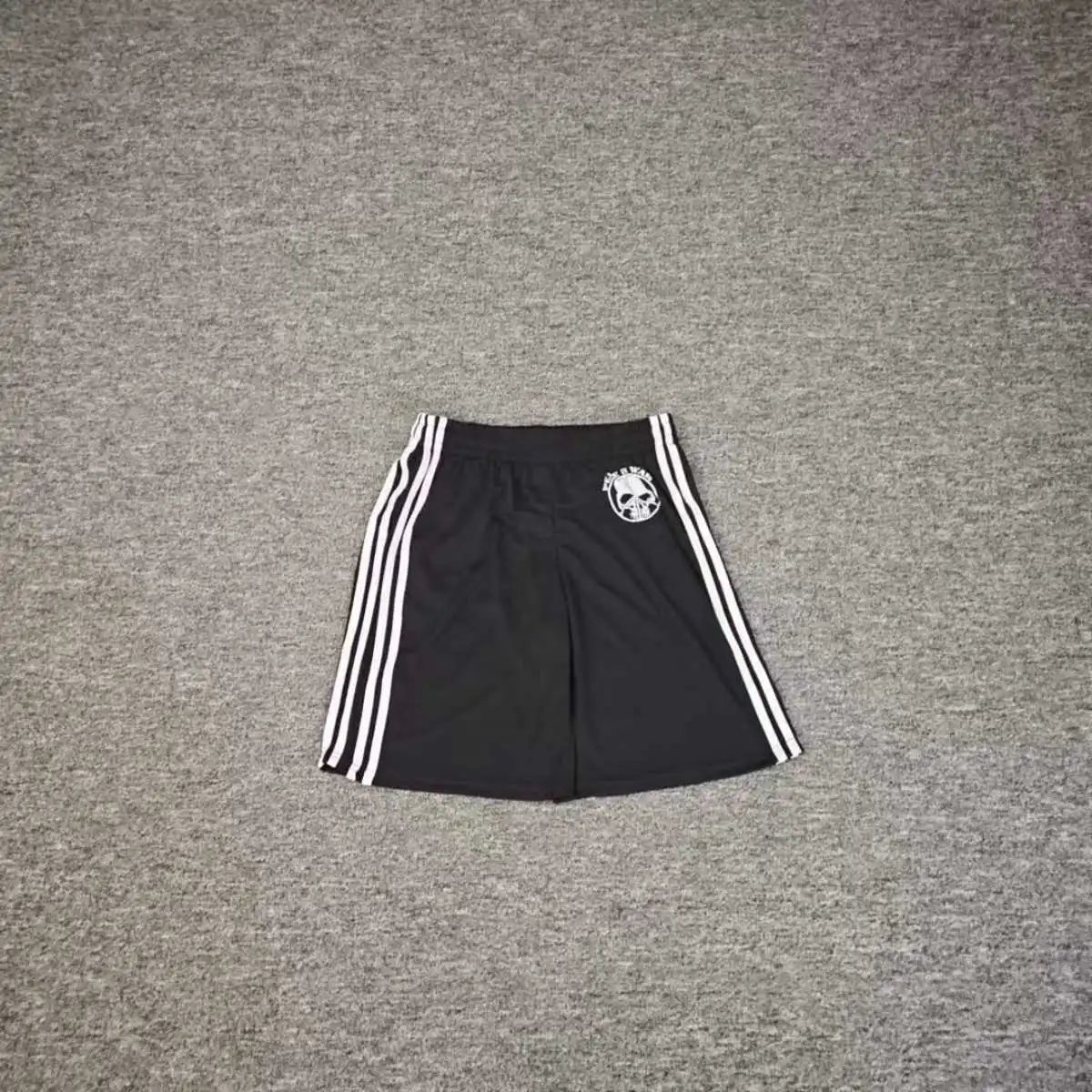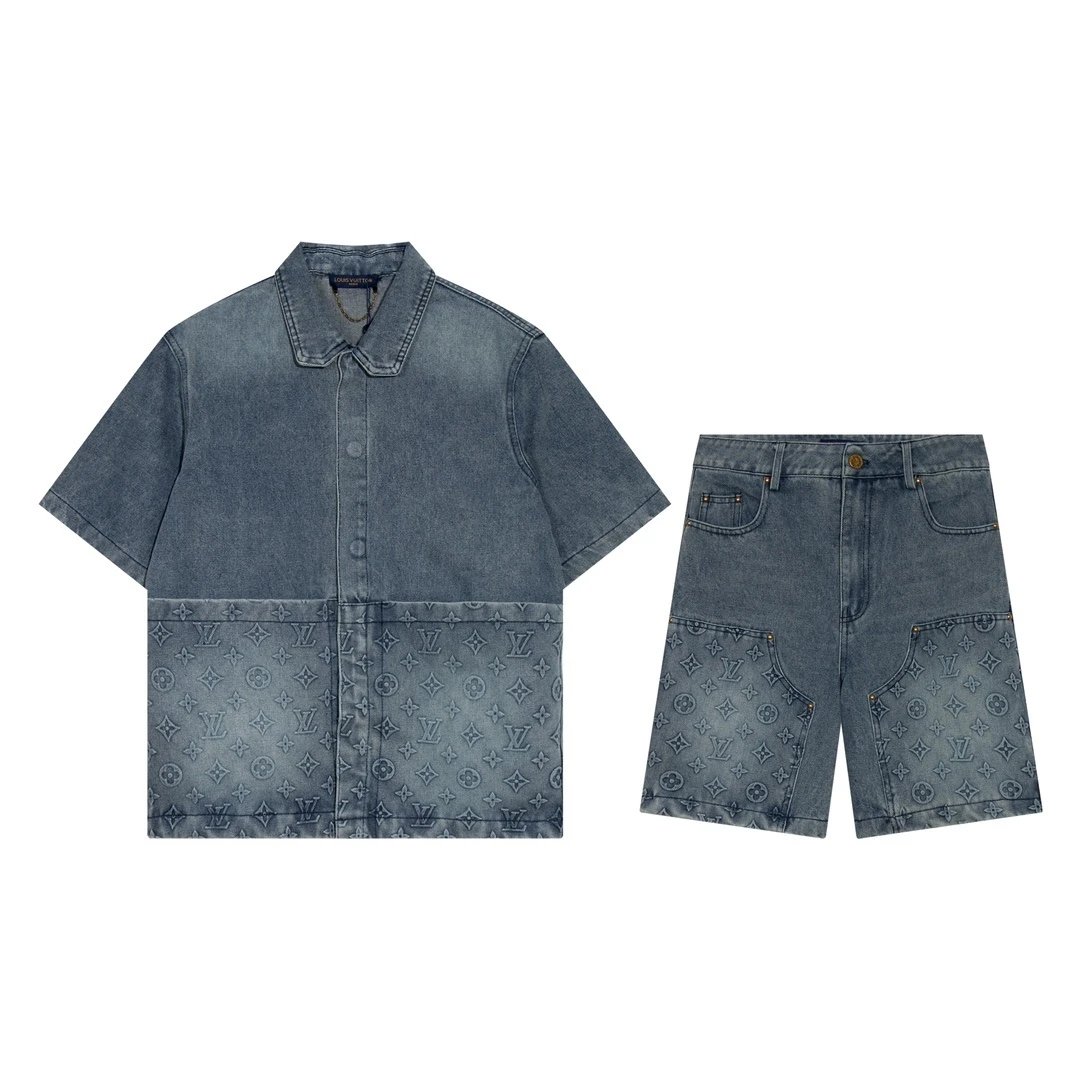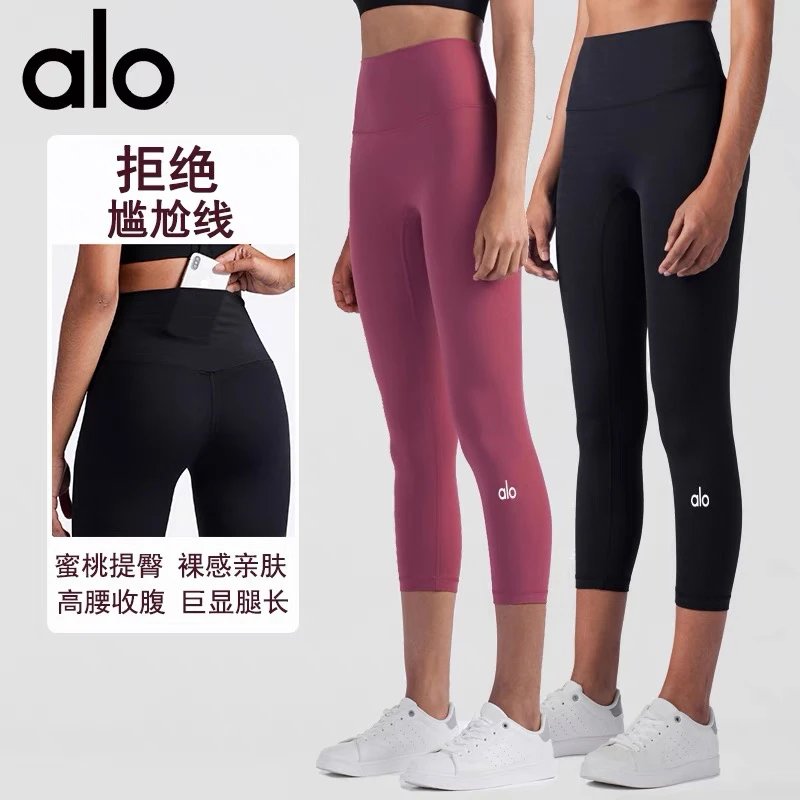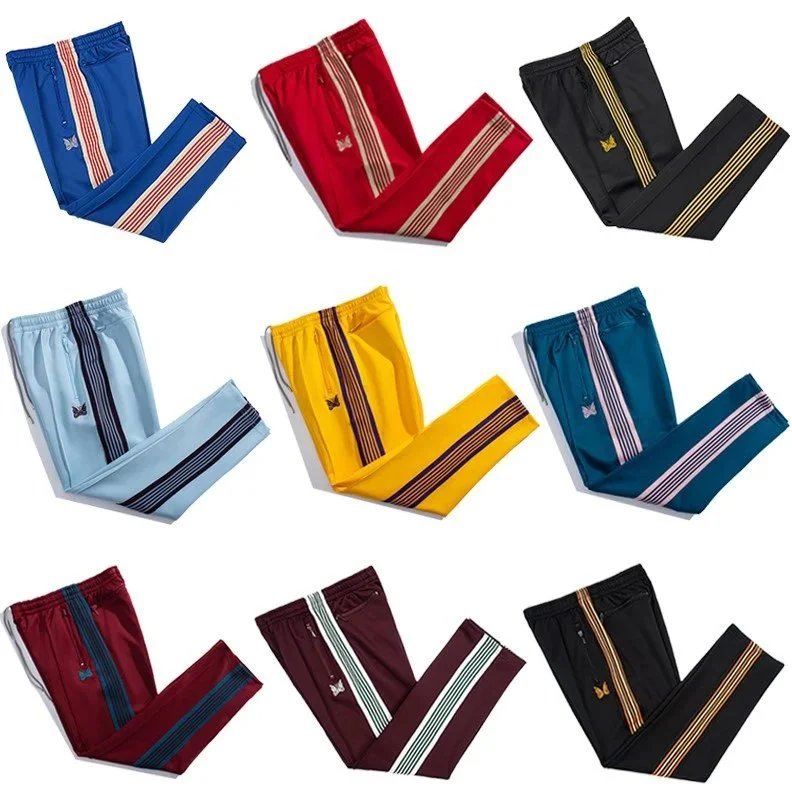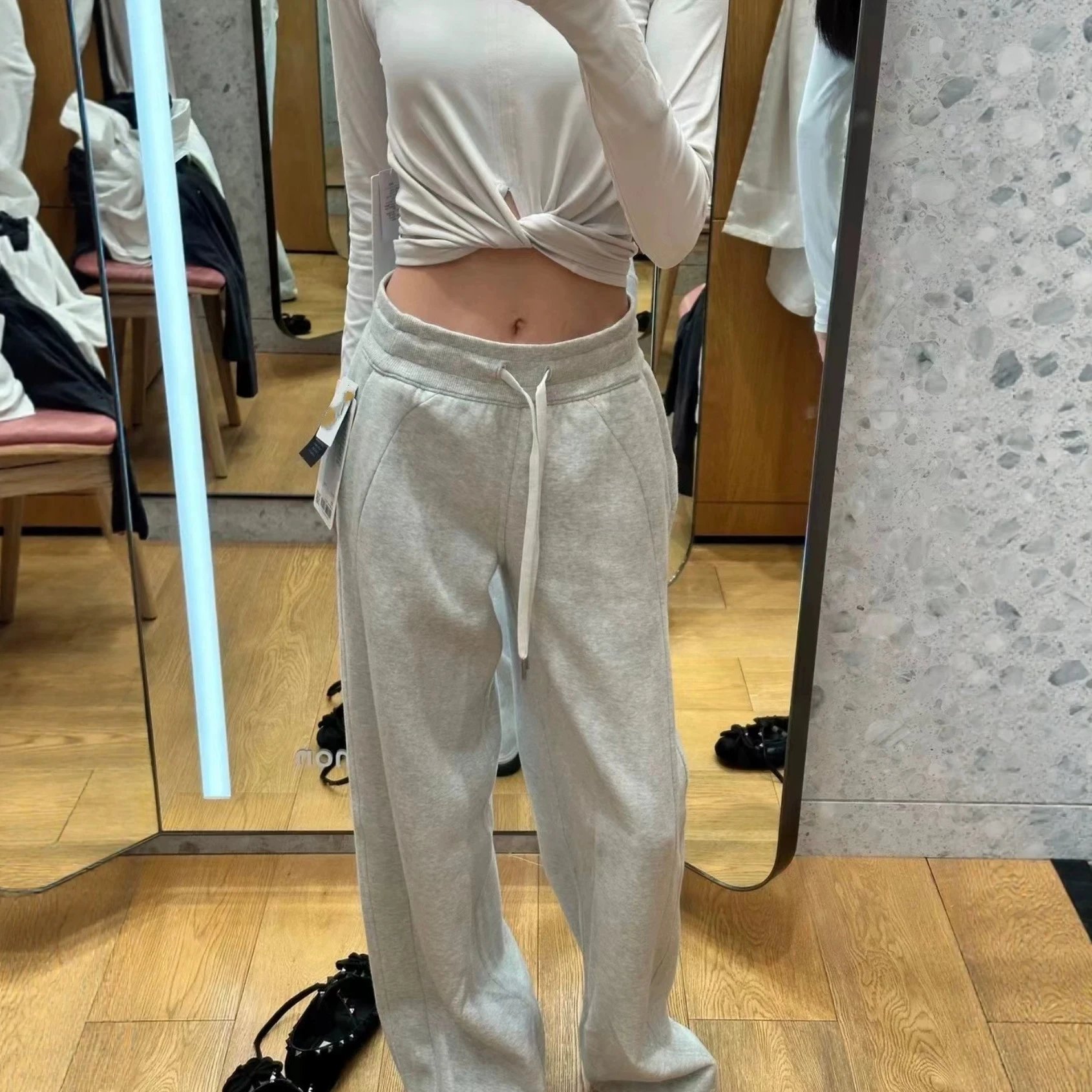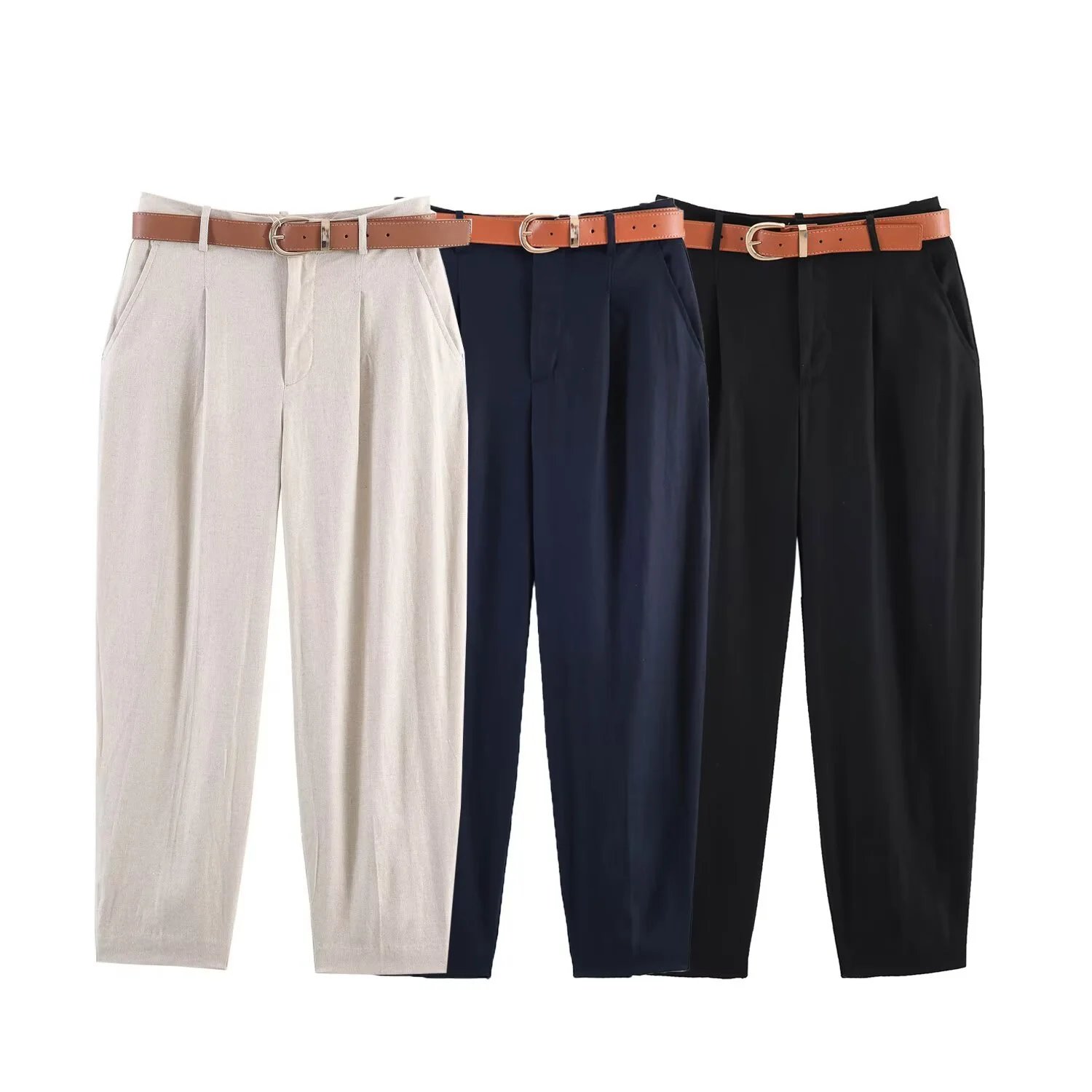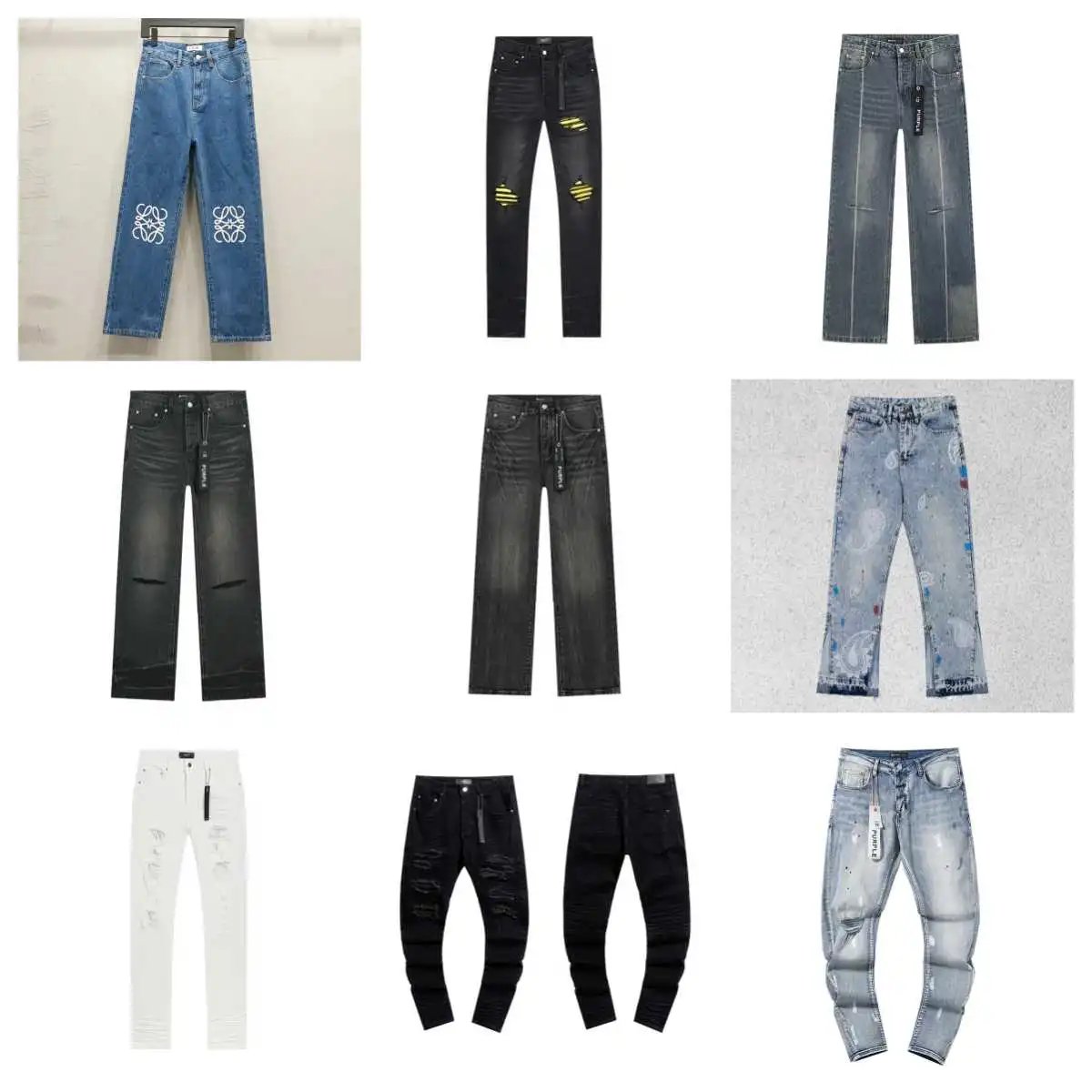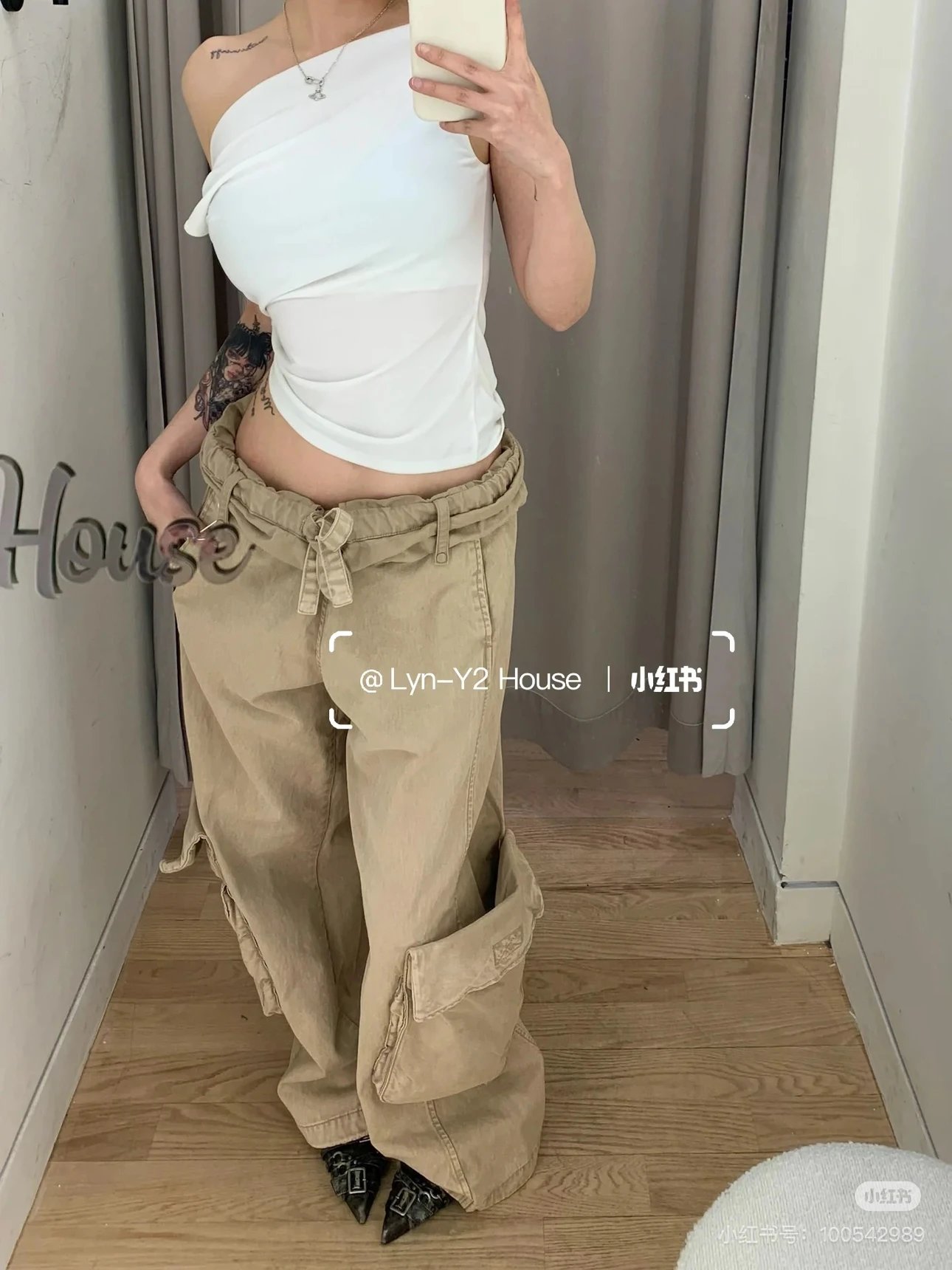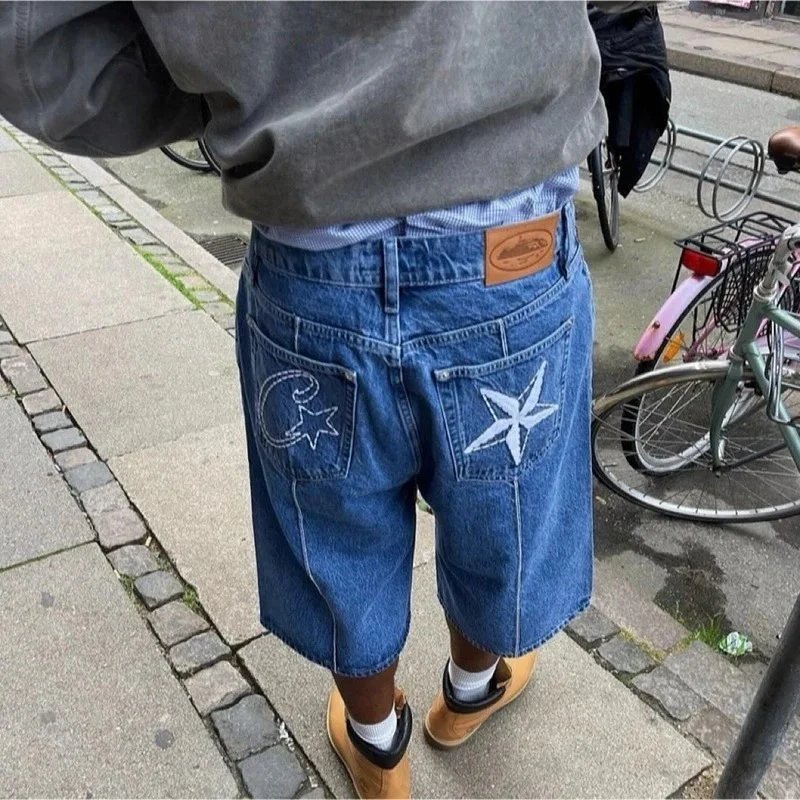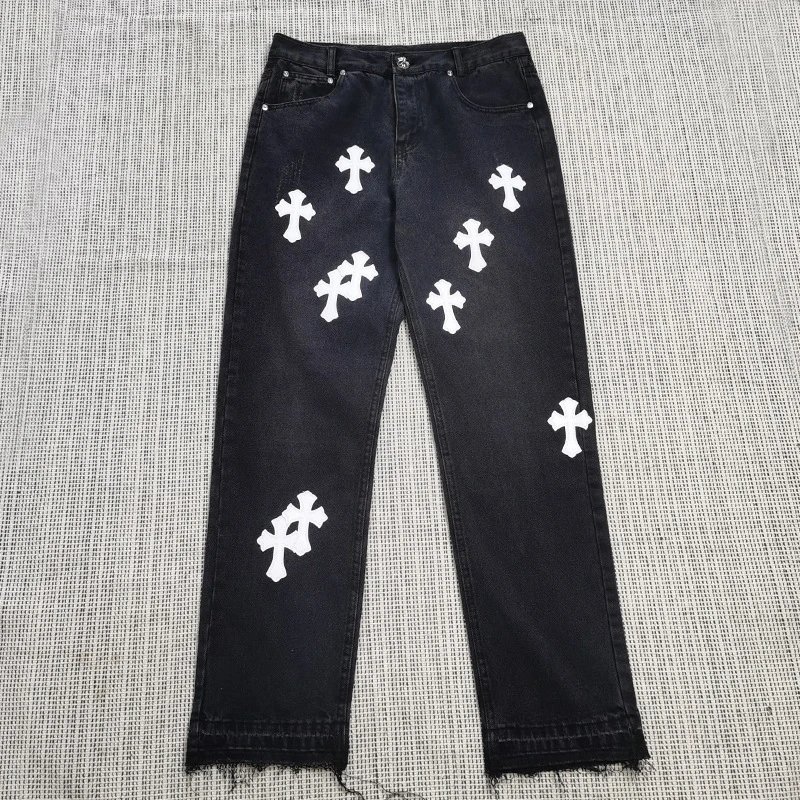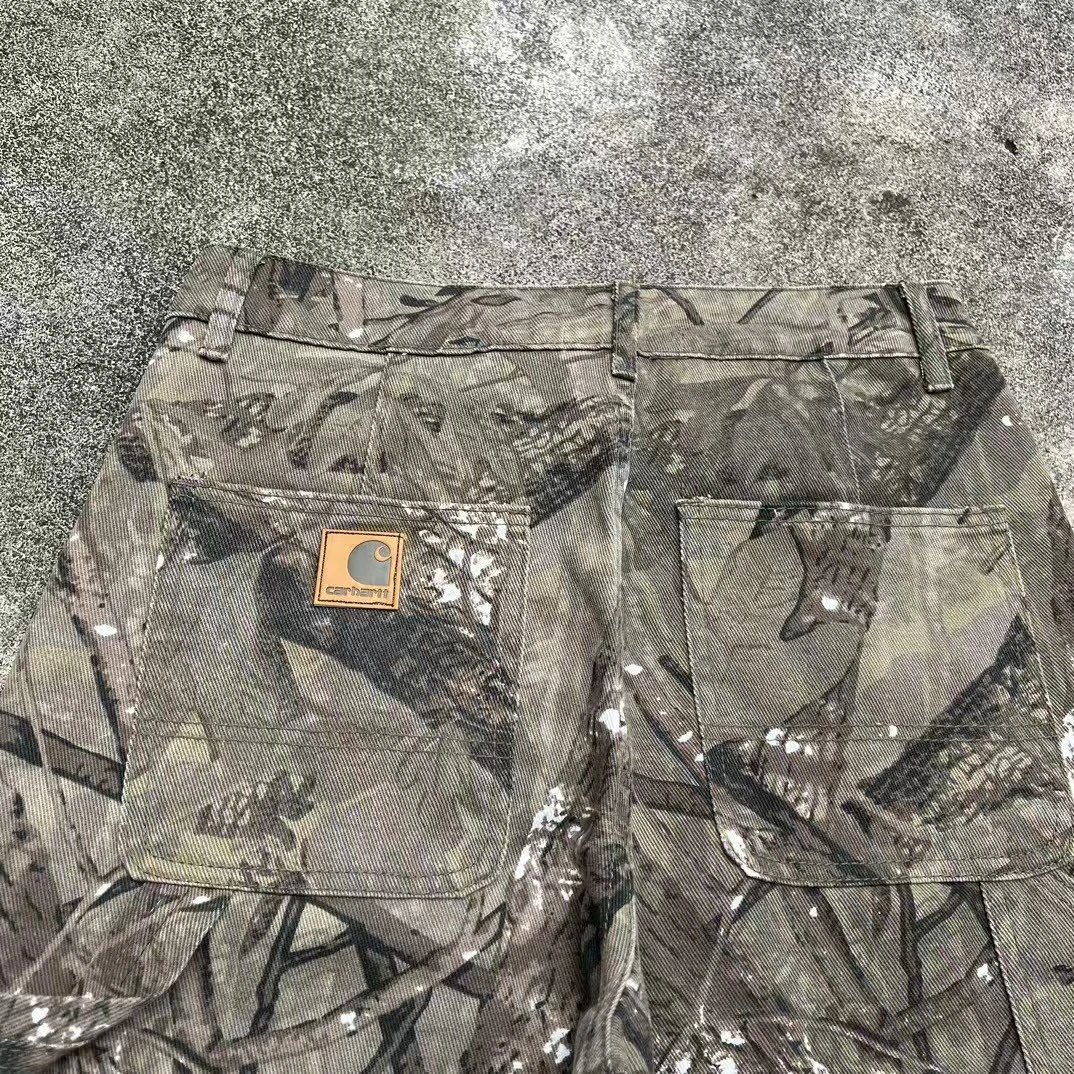



For bottoms, order by your measured waist and inseam, not a jeans number, because sizing labels are inconsistent and the rise changes how a size fits entirely. Since Oopbuy charges no service fee, it is worth taking two extra minutes with a tape measure to avoid the most common return in this category.
Measure a pair that fits you well, laid flat, and record four things: waist (across the top, doubled), rise (crotch seam to waistband), inseam, and leg opening. Compare each to the listing's chart. The waist gets all the attention, but rise is what decides where the pants sit and whether they feel right, and leg opening decides whether they read slim, straight, or wide.
Different bottoms need different attention before you browse finds on W2CSpreadsheet:
When your QC photos arrive, look at the seams and hardware, since bottoms take stress at the crotch and pockets. Confirm even stitching, a smooth-running zipper or clean button fly, belt loops that are sewn down at both ends, and a hem that is straight. For any branded stitching, tags, or embroidery, check alignment and colour against the reference.
Two fit habits worth forming: if the chart puts you between sizes on the waist, a belt makes a slightly loose pair workable but a tight one is a lost cause, so lean up; and account for shrinkage on cotton-heavy pieces by washing cold. Stretch-blend fabrics are more forgiving and can be ordered closer to exact.
Bottoms are moderately heavy and fold compactly, so they consolidate well into a shared Oopbuy parcel. For current shipping estimates, pricing, and any live offers, check the Oopbuy listing and your dashboard rather than older figures. Nail the waist and rise once, and reordering the same cut becomes a safe bet.
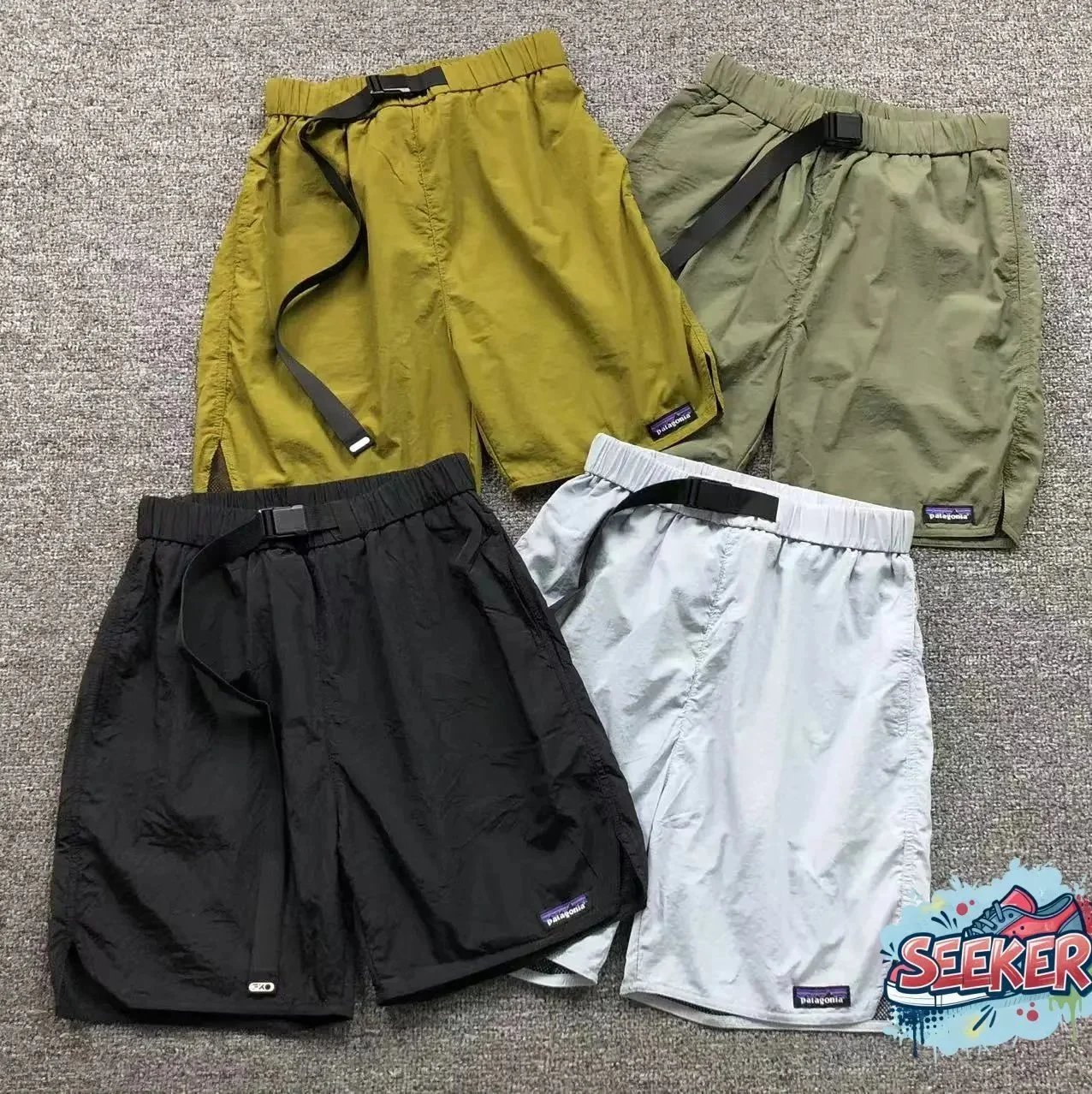
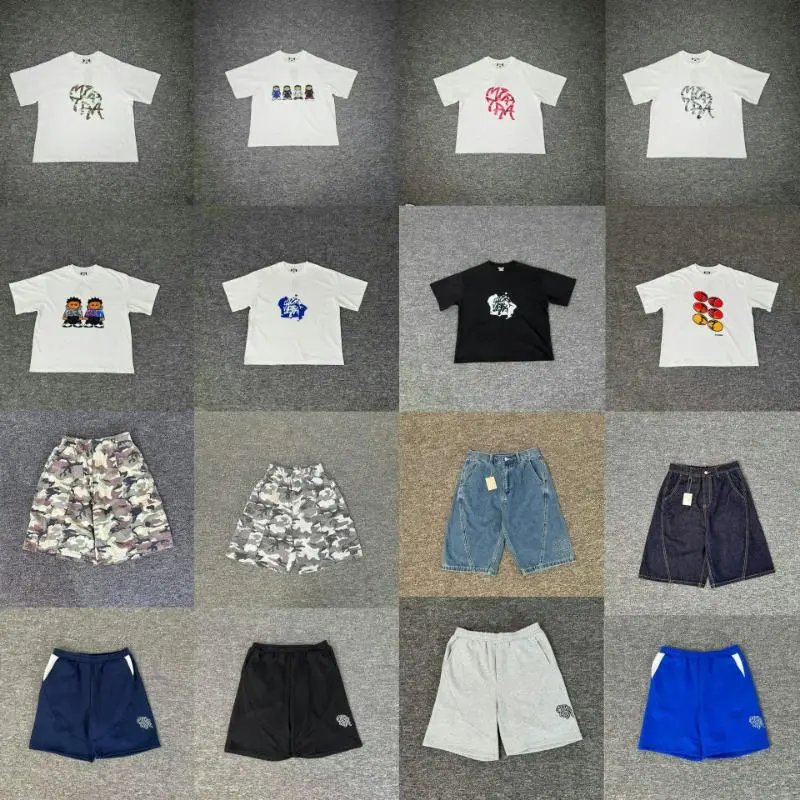
![C Star Denim Shorts [6 styles]](https://si.geilicdn.com/pcitem901969440829-0a4500000198fb5891b60a2396f4_800_800.jpg?imageMogr2/format/webp/thumbnail/400x400)
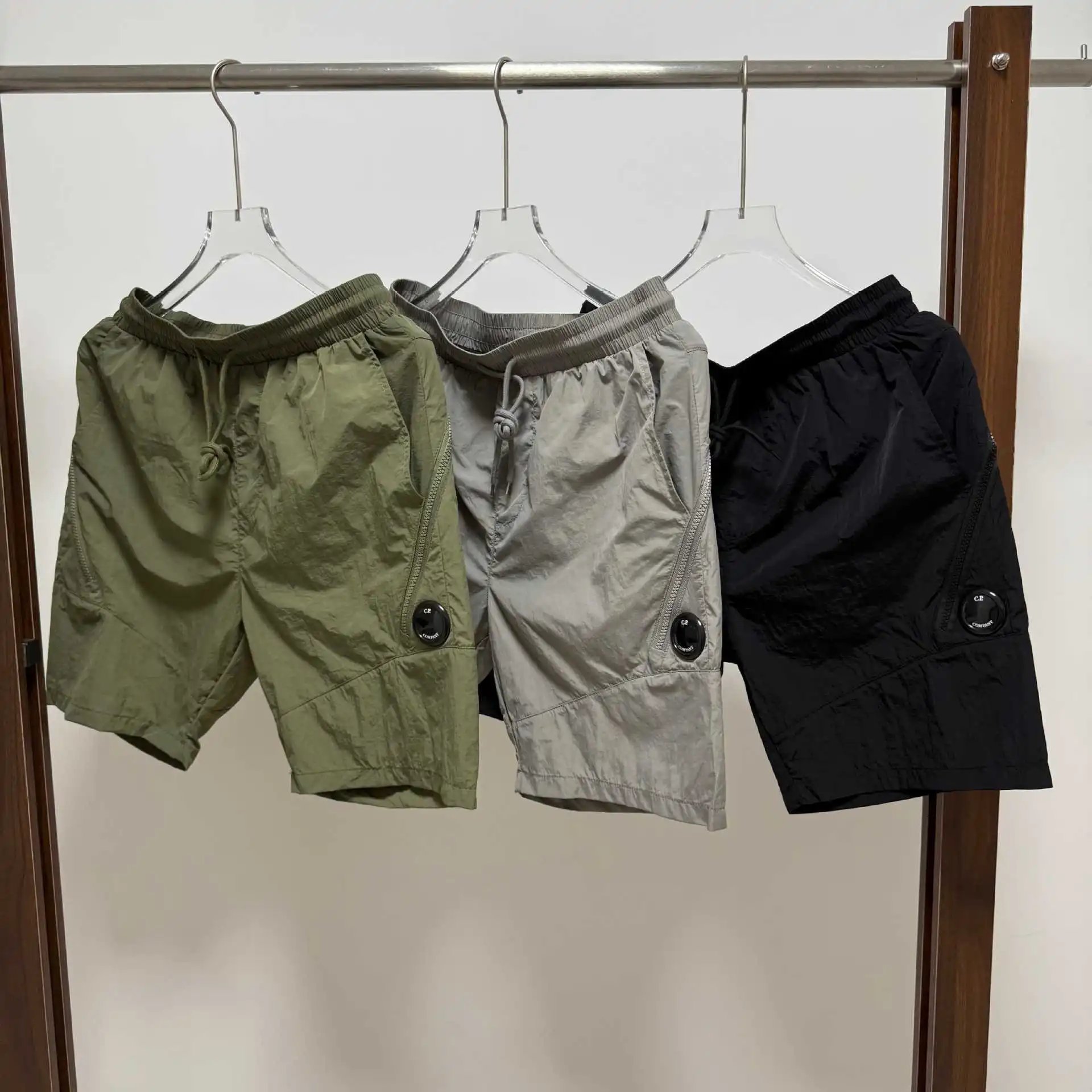
![Palm Angels Shorts [10 styles]](https://si.geilicdn.com/open1868238178-1234478995-5c4100000190b96218910a210559_1080_1080.jpg?imageMogr2/format/webp/thumbnail/400x400)
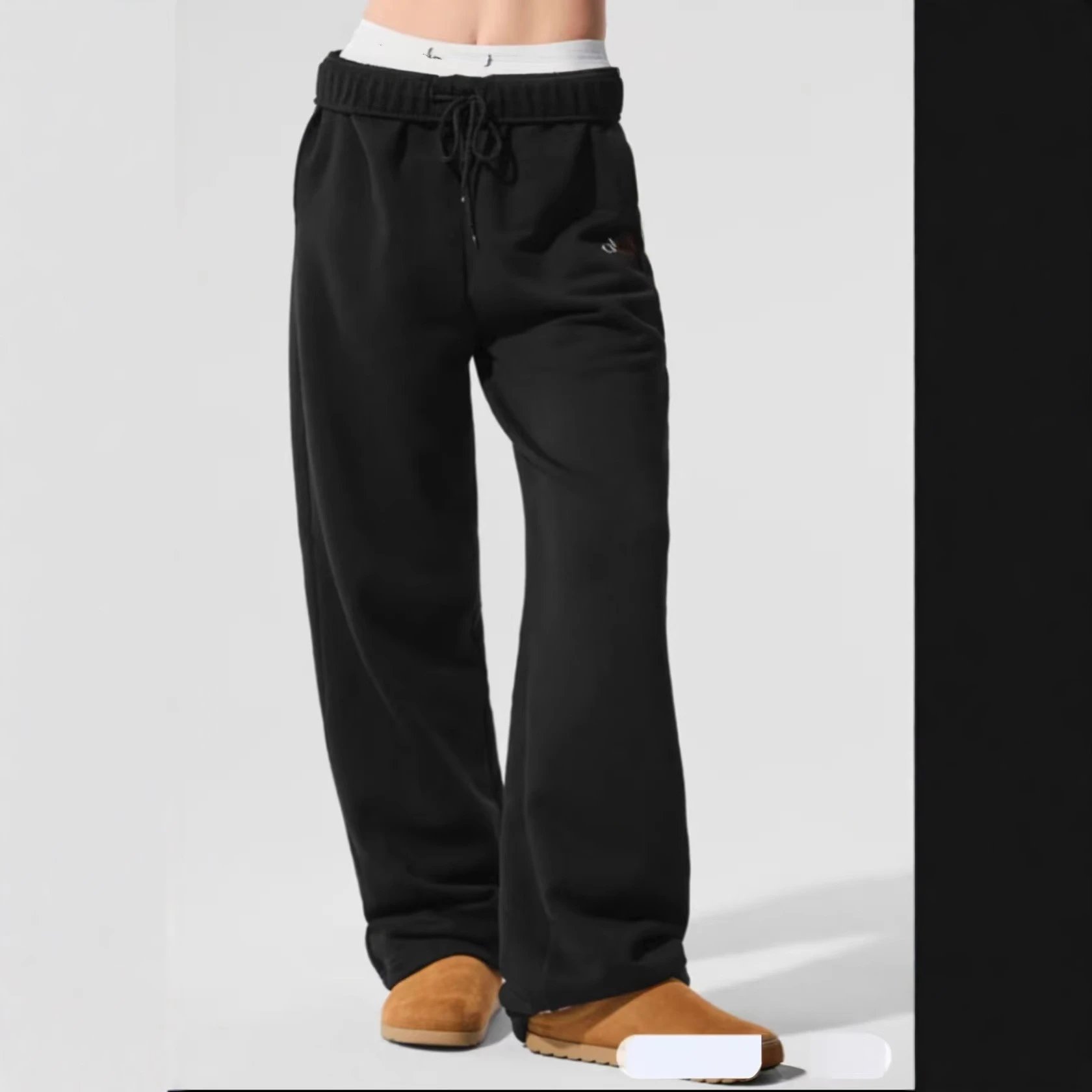
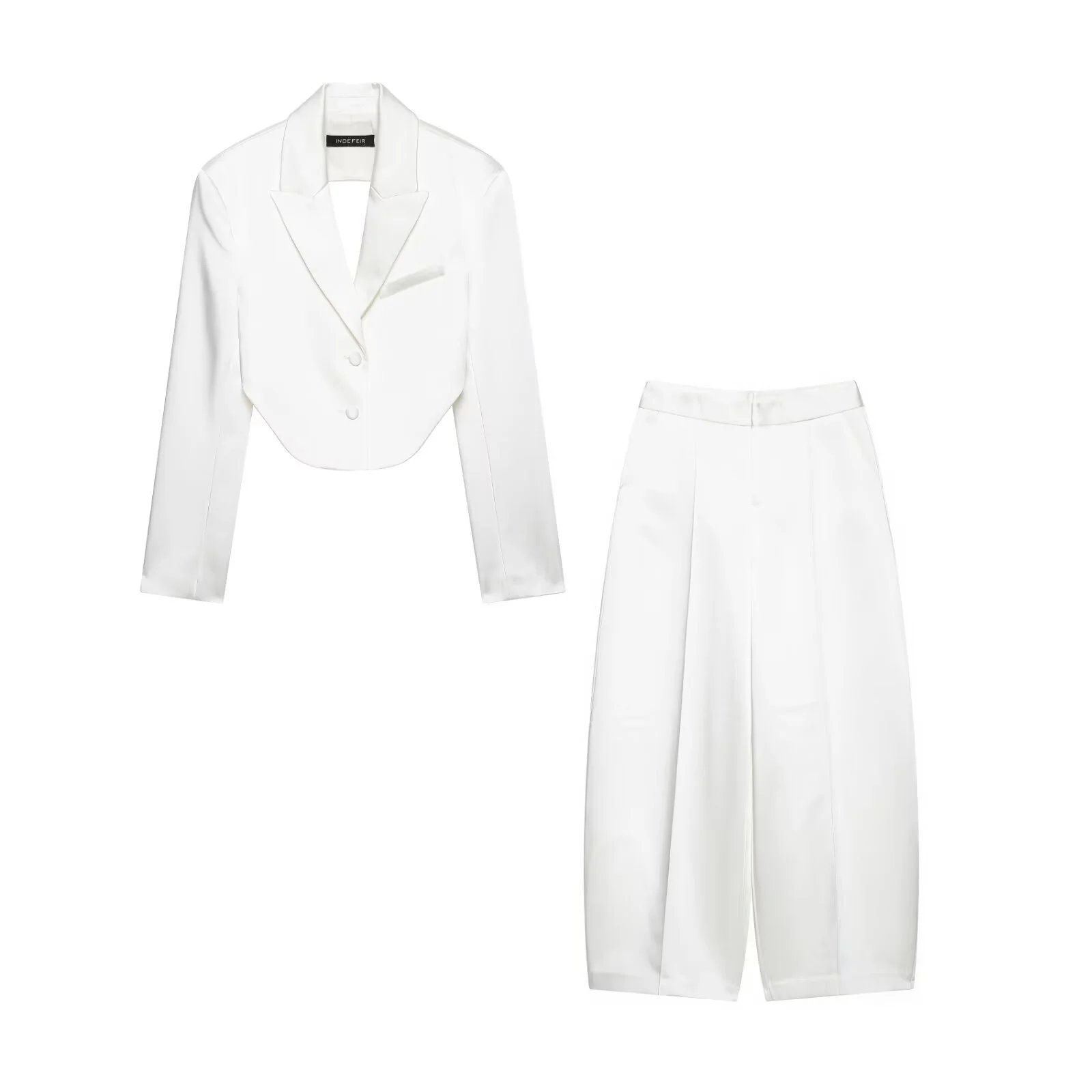
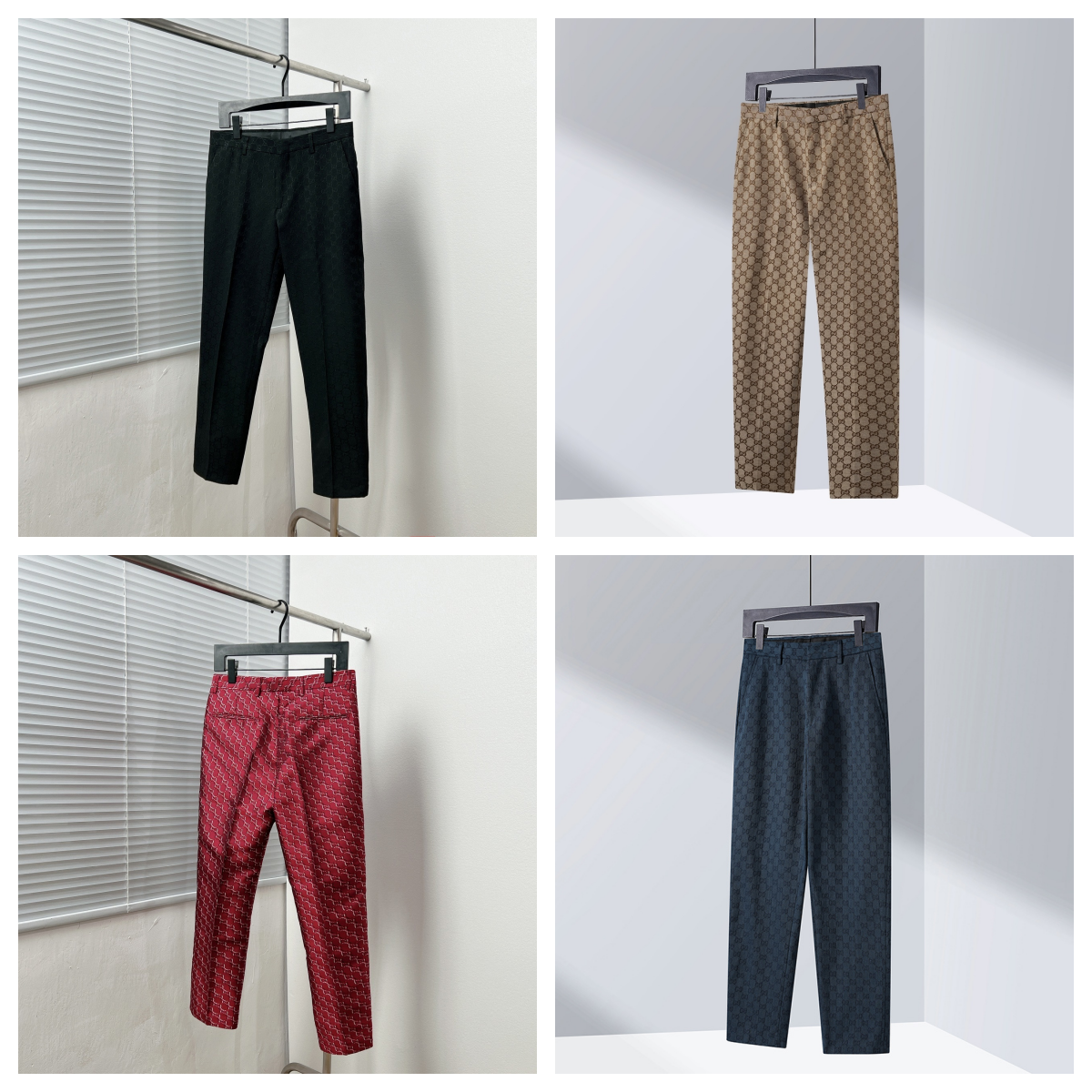
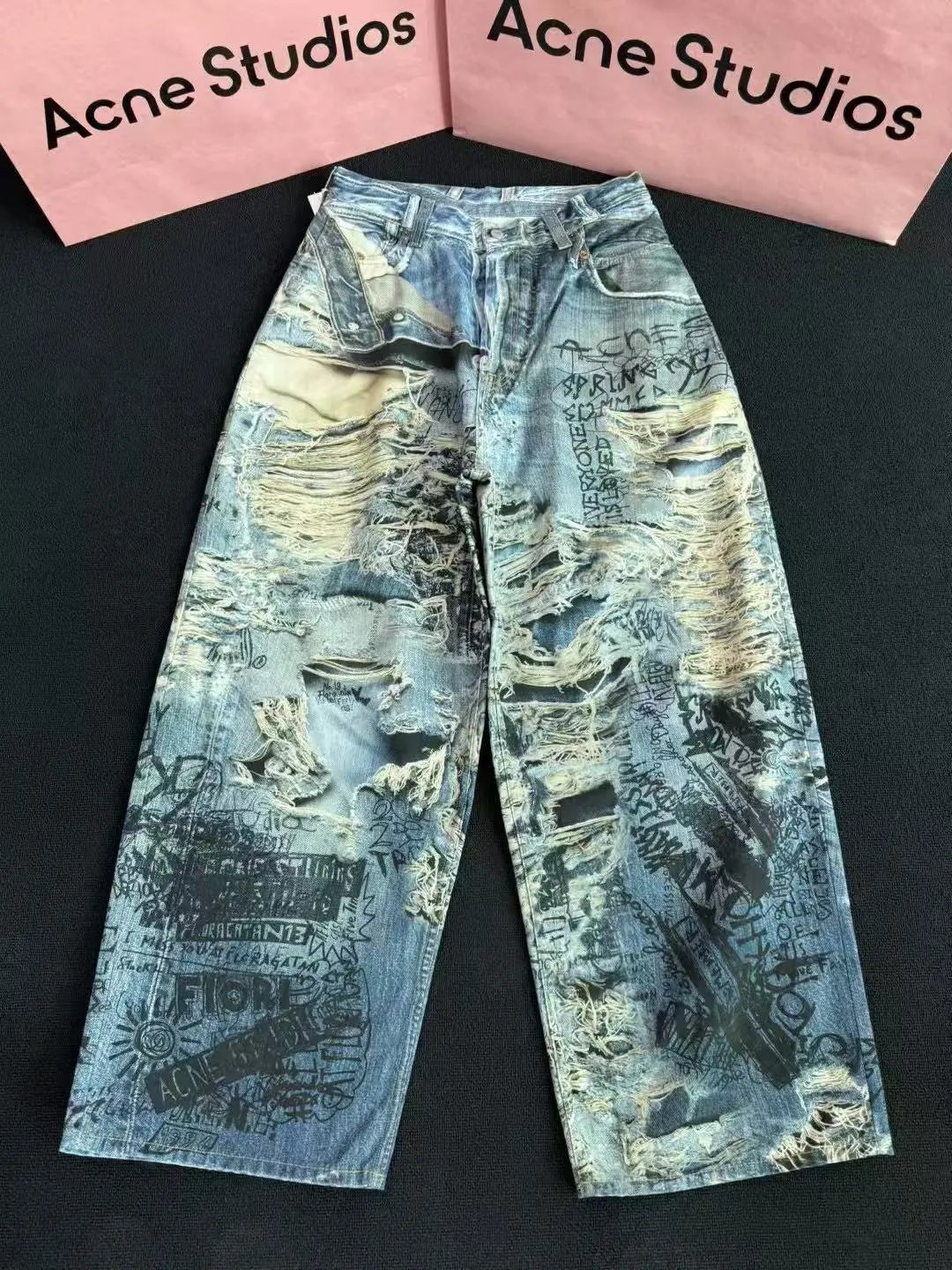
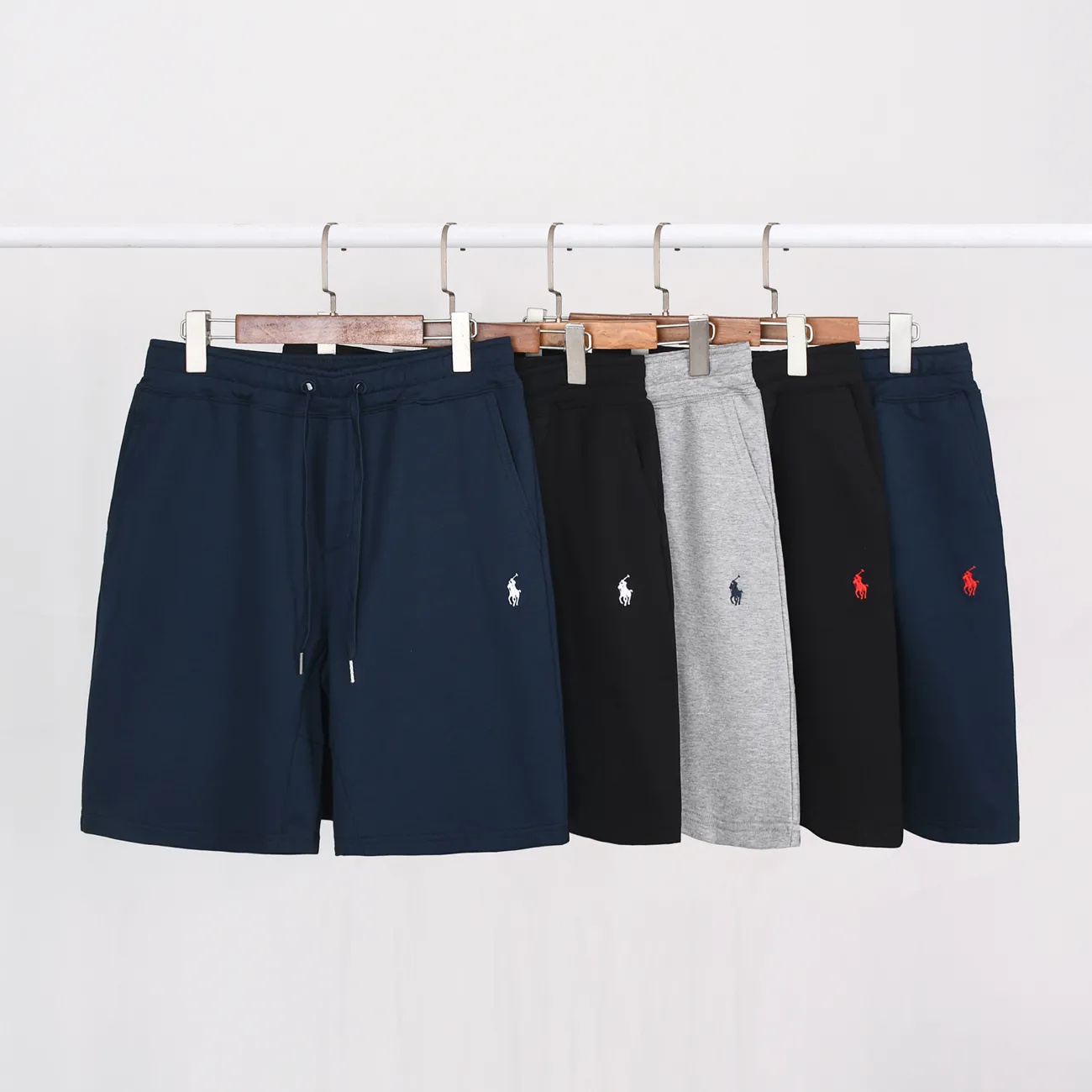
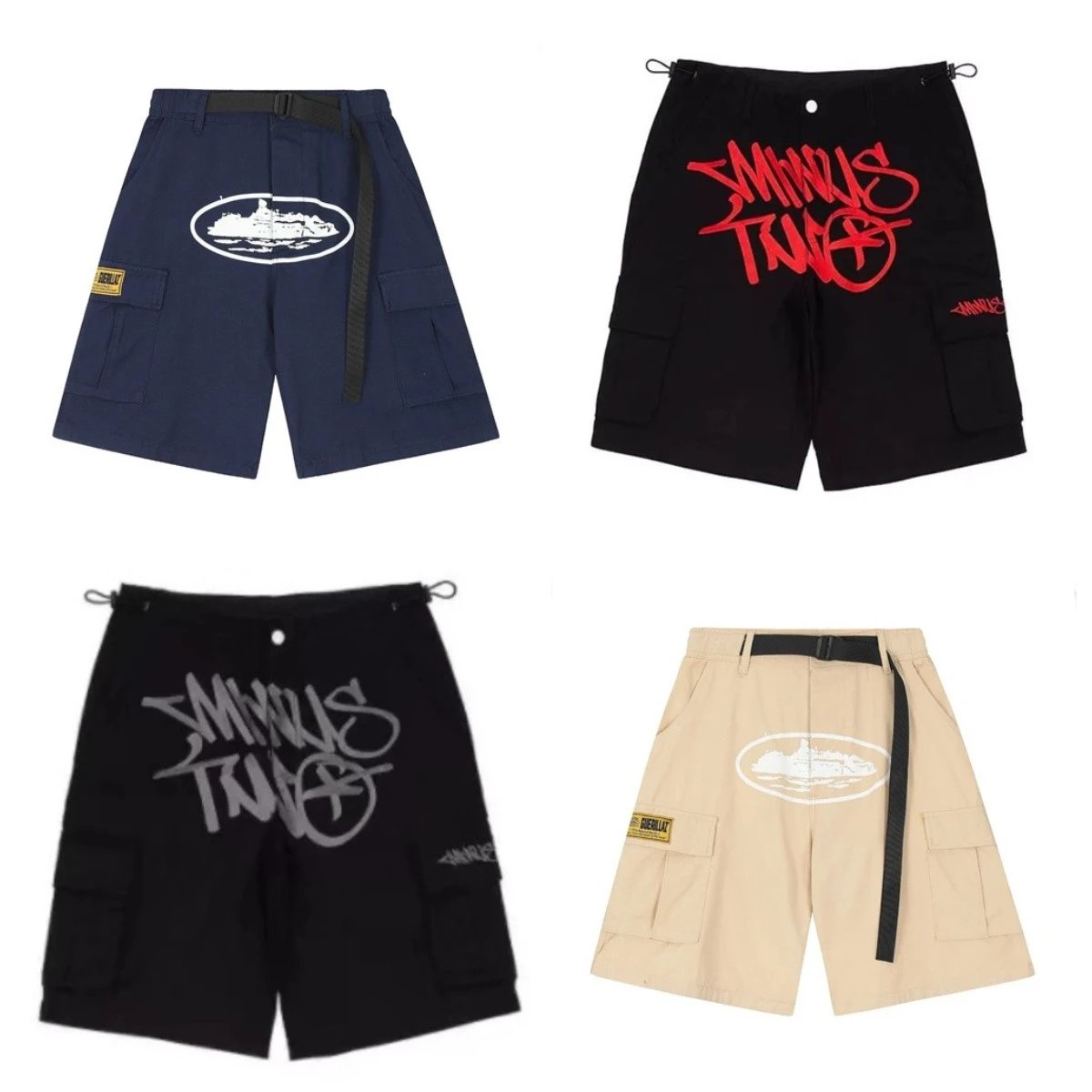
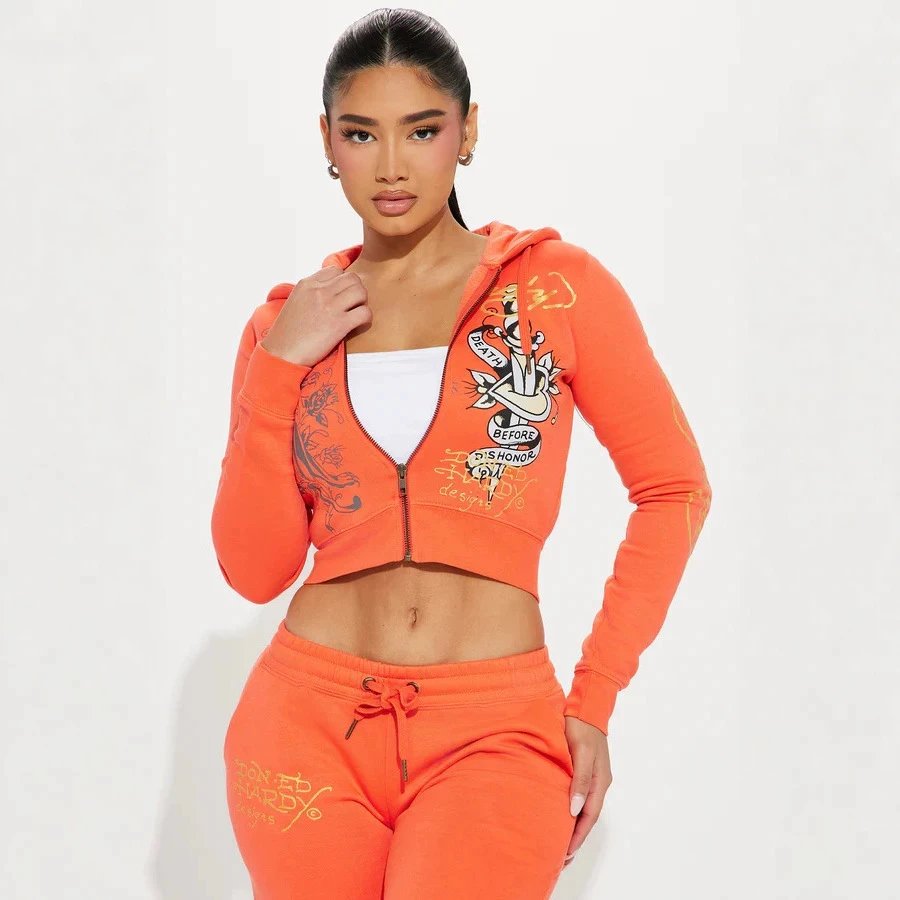
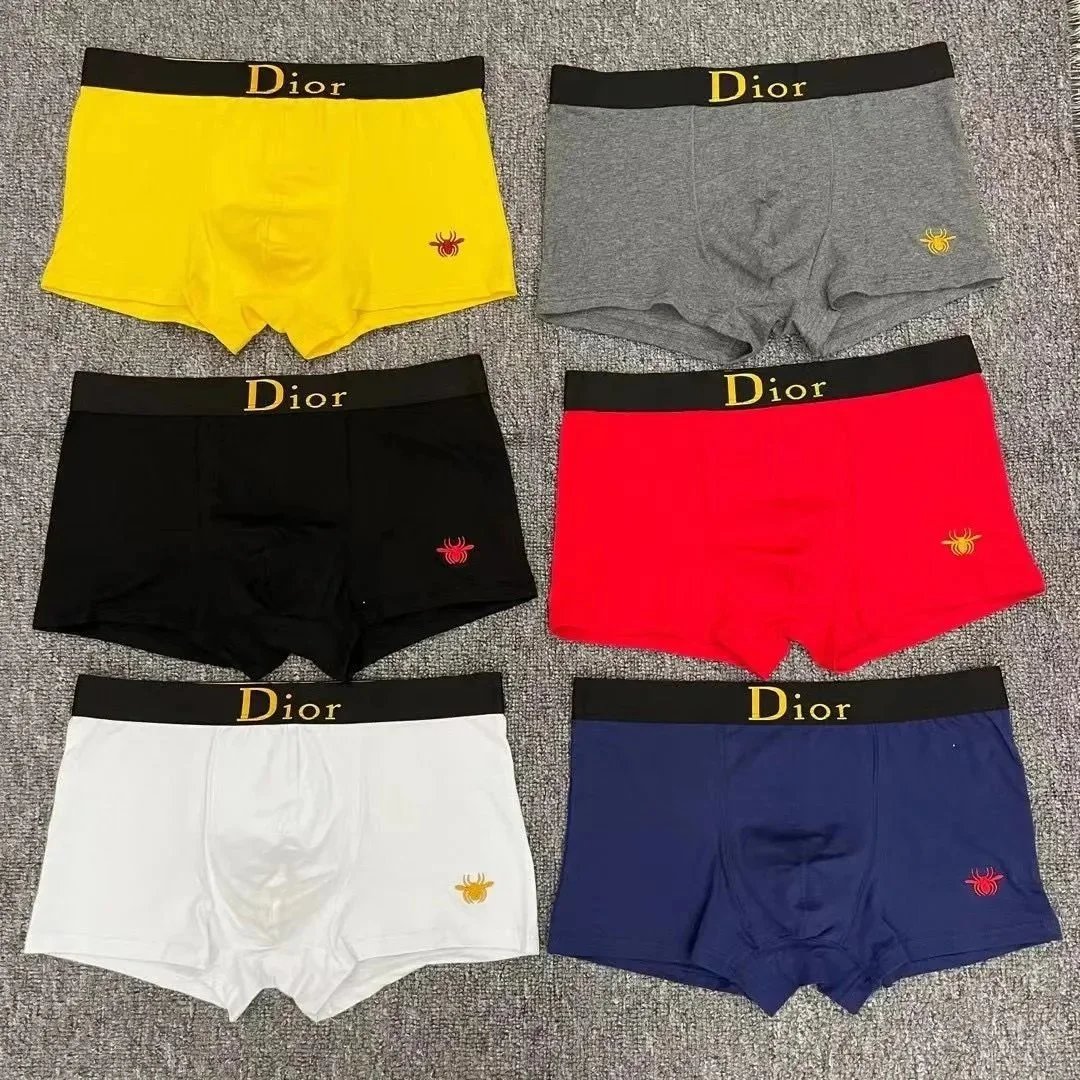

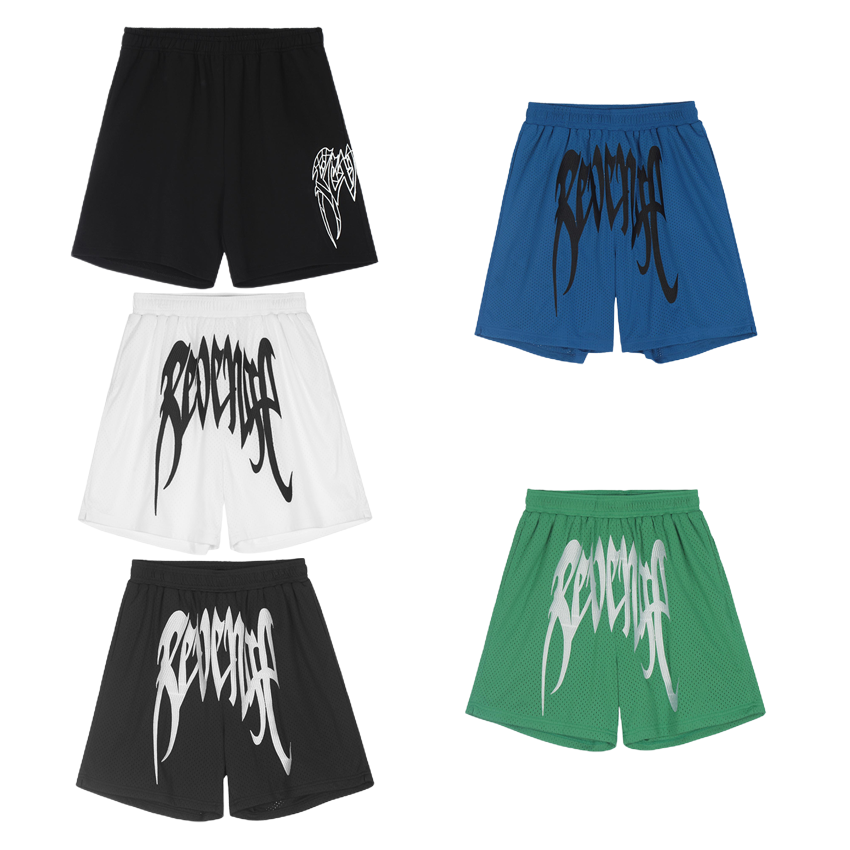
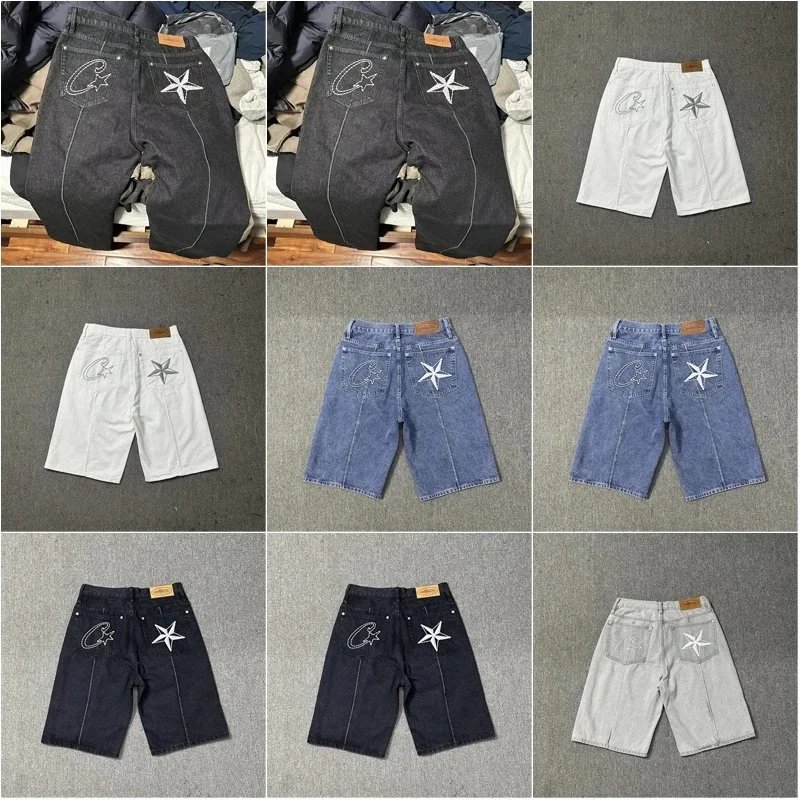
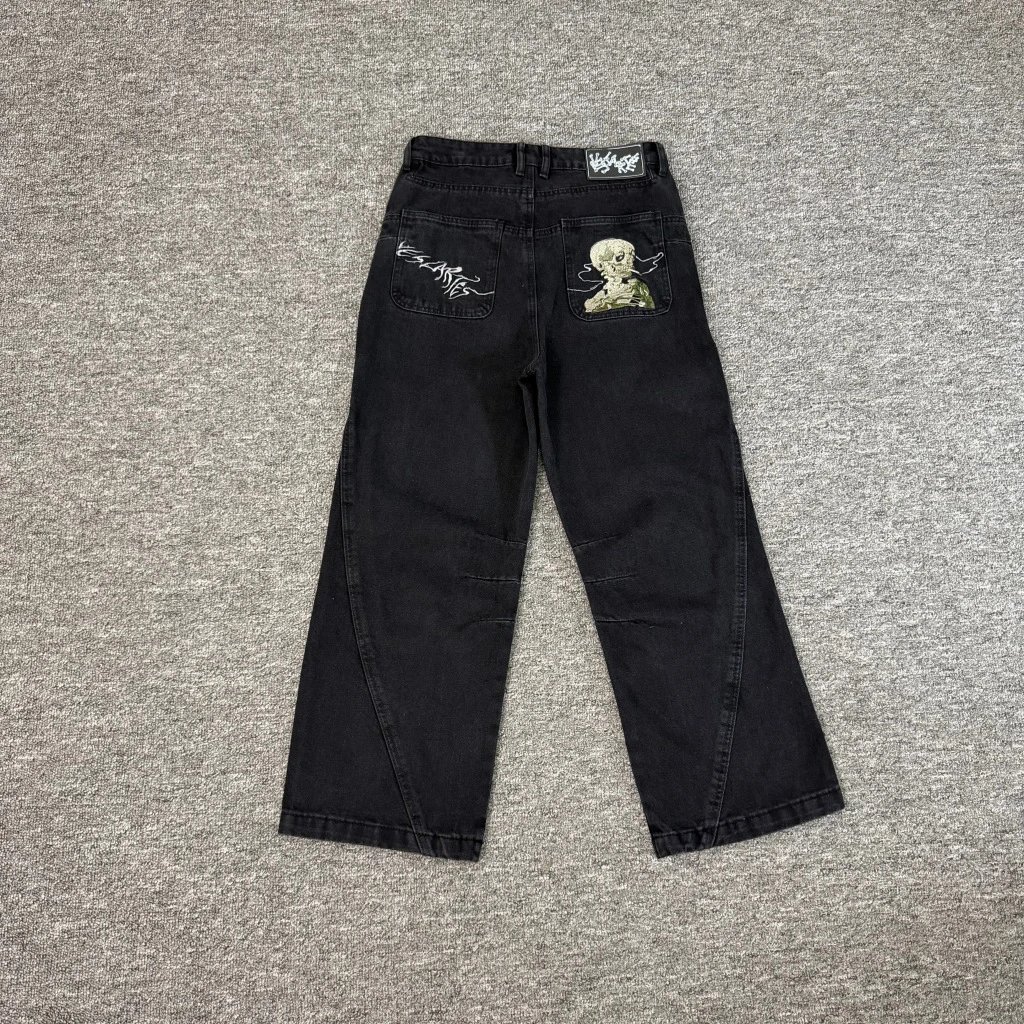
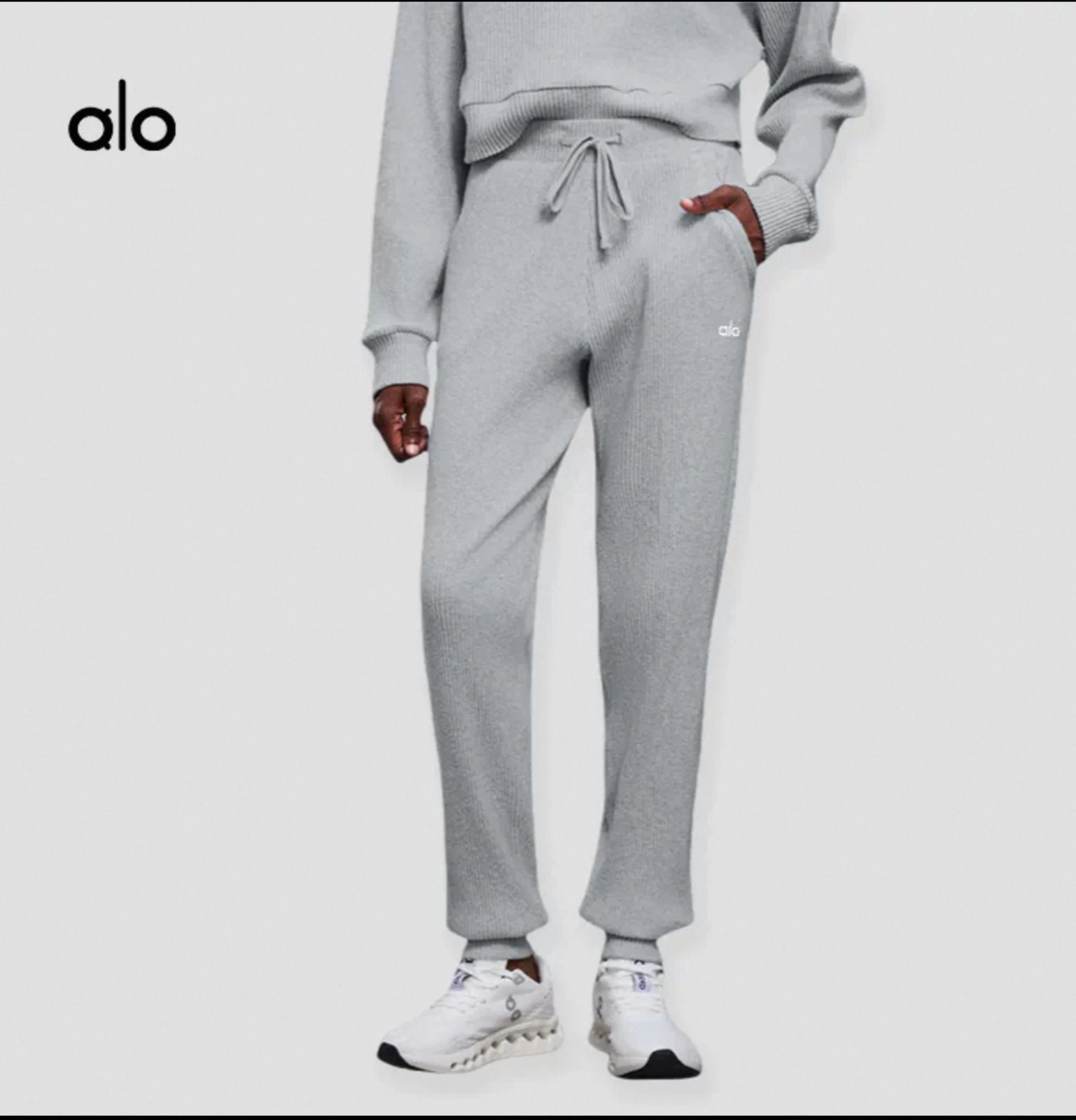
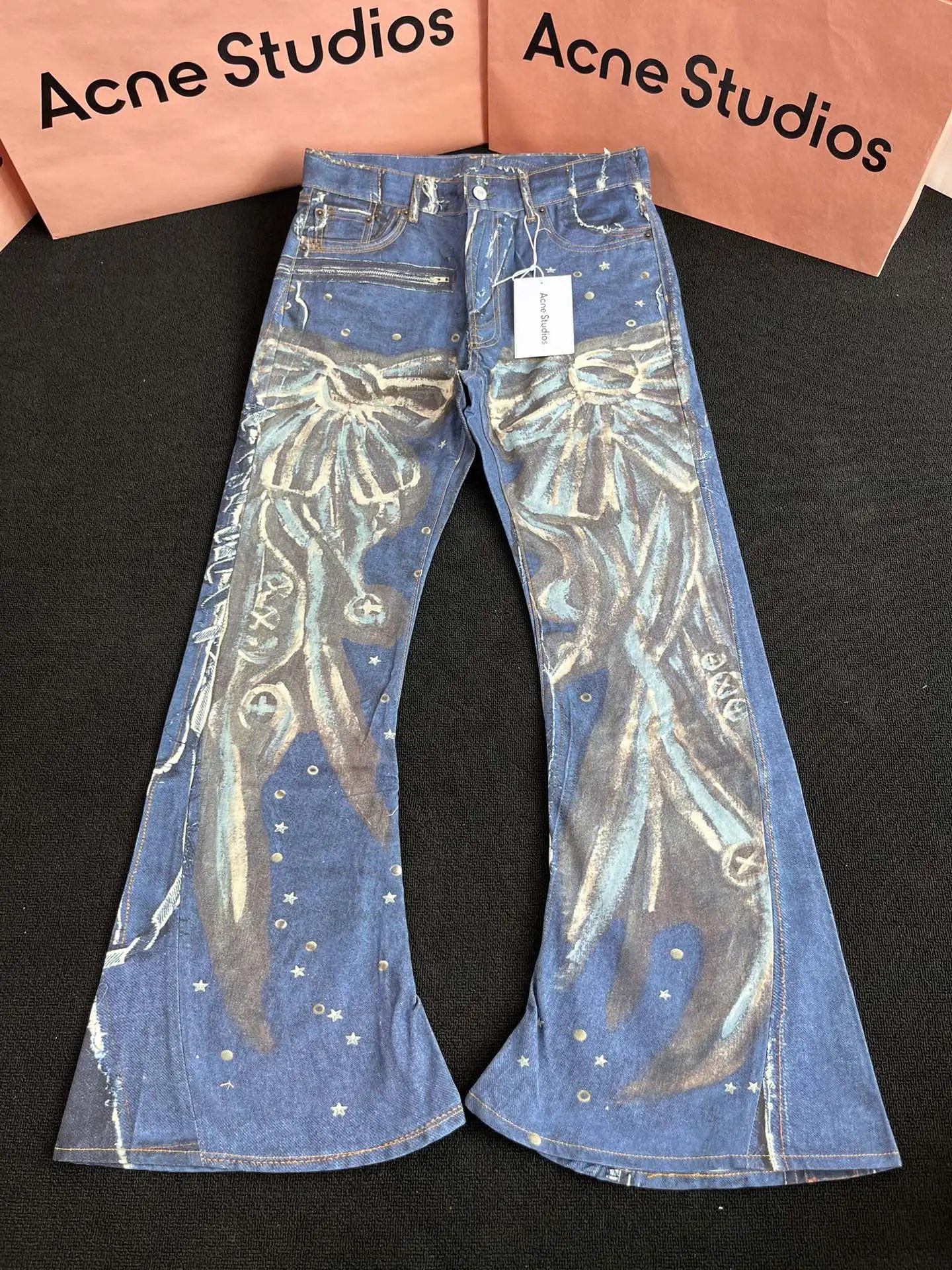
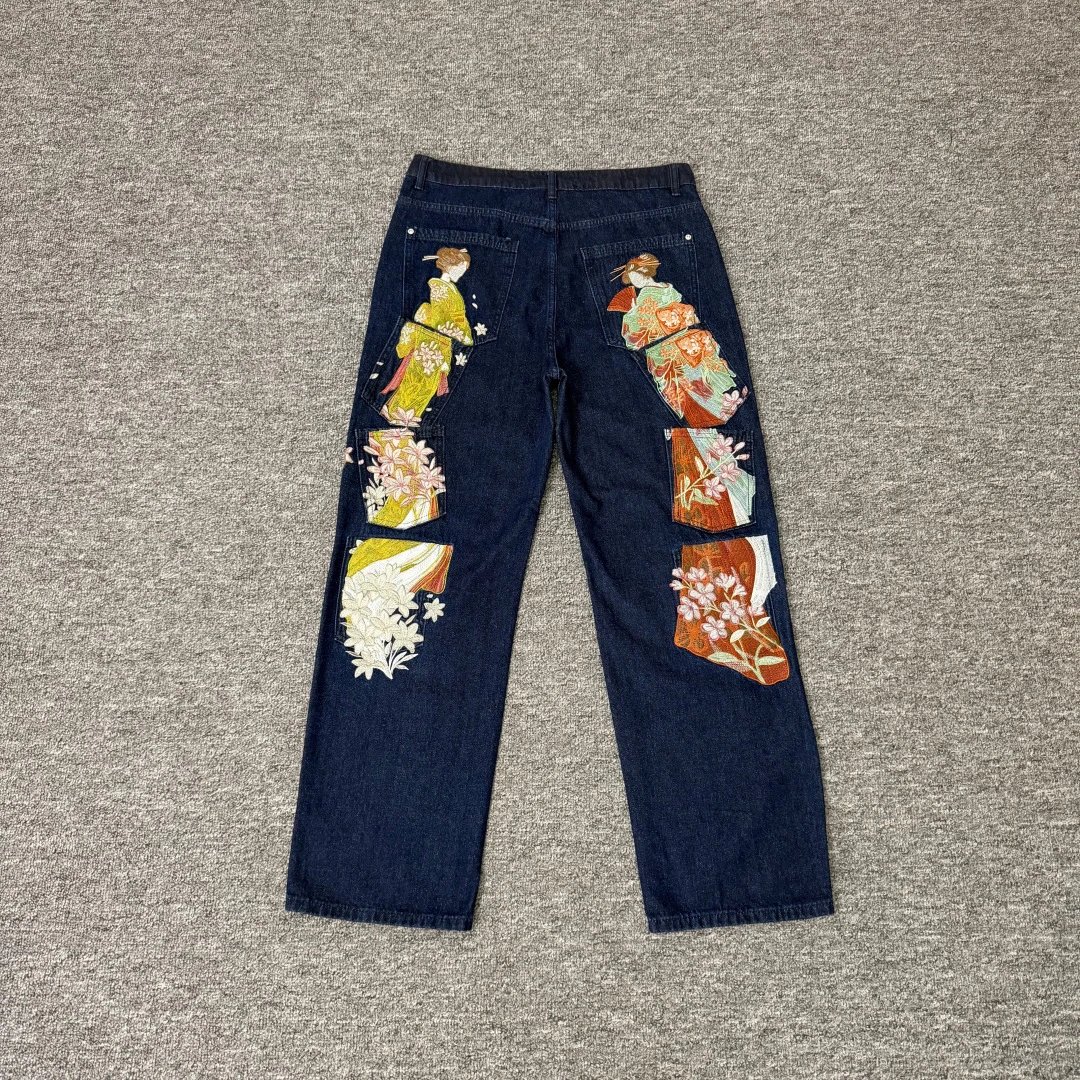
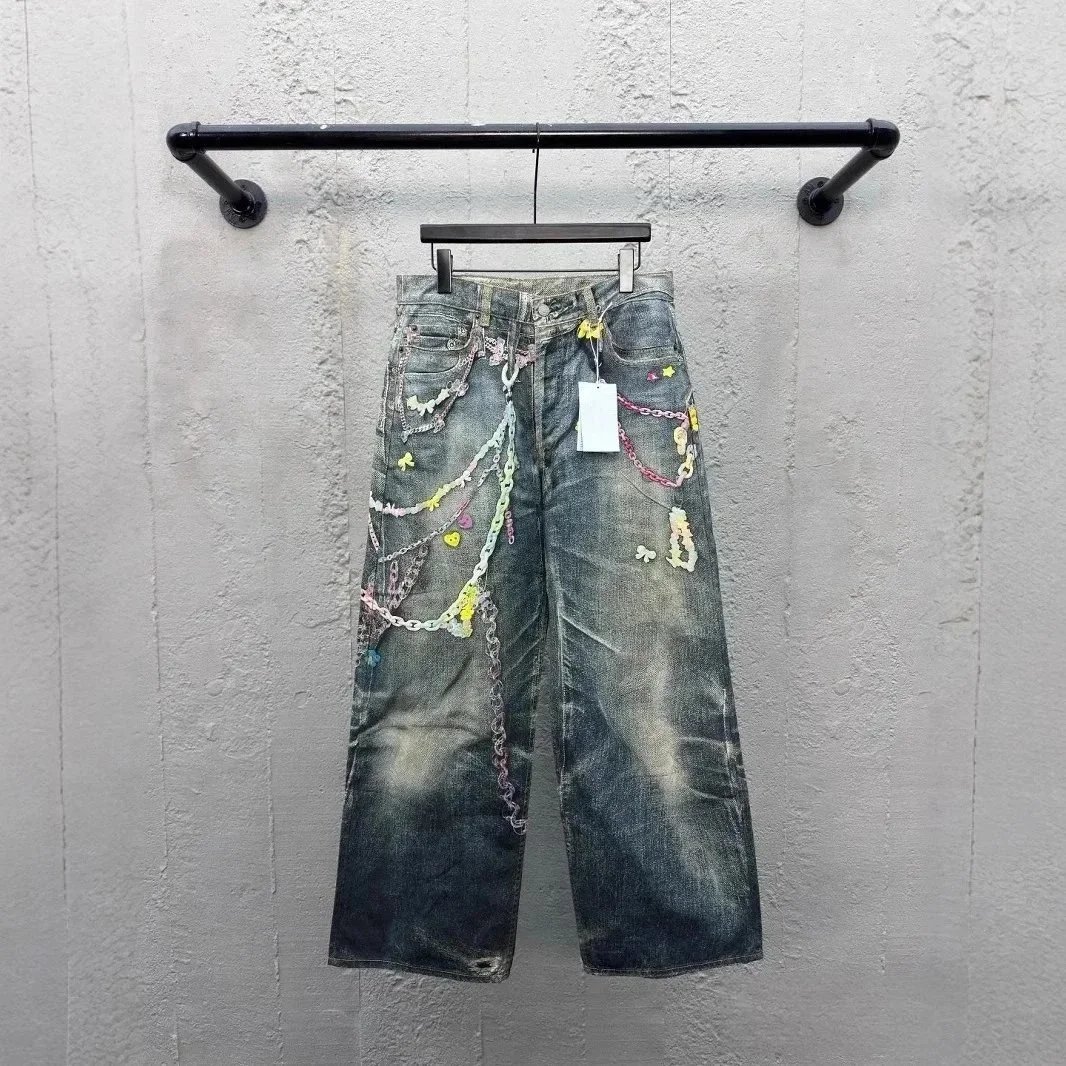

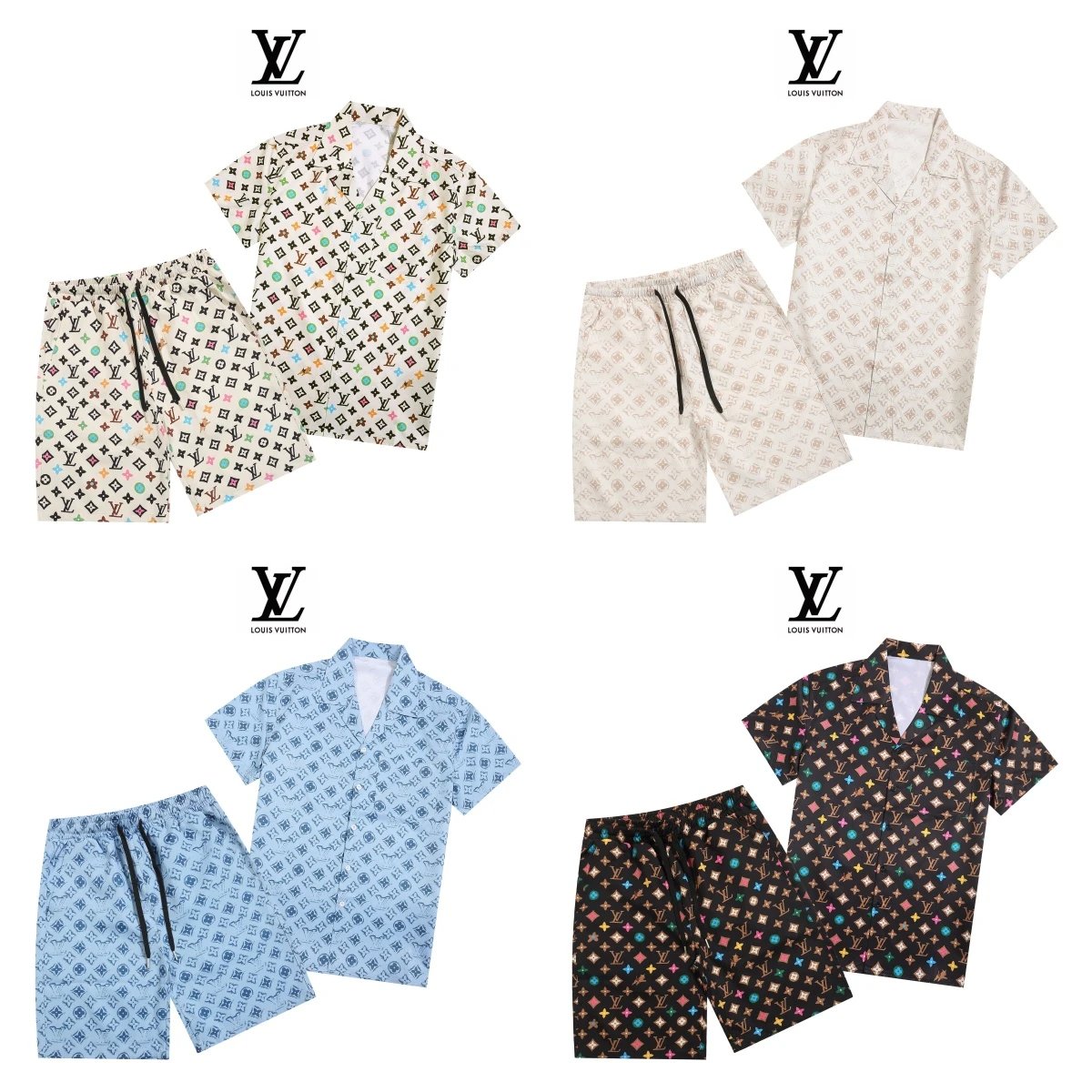
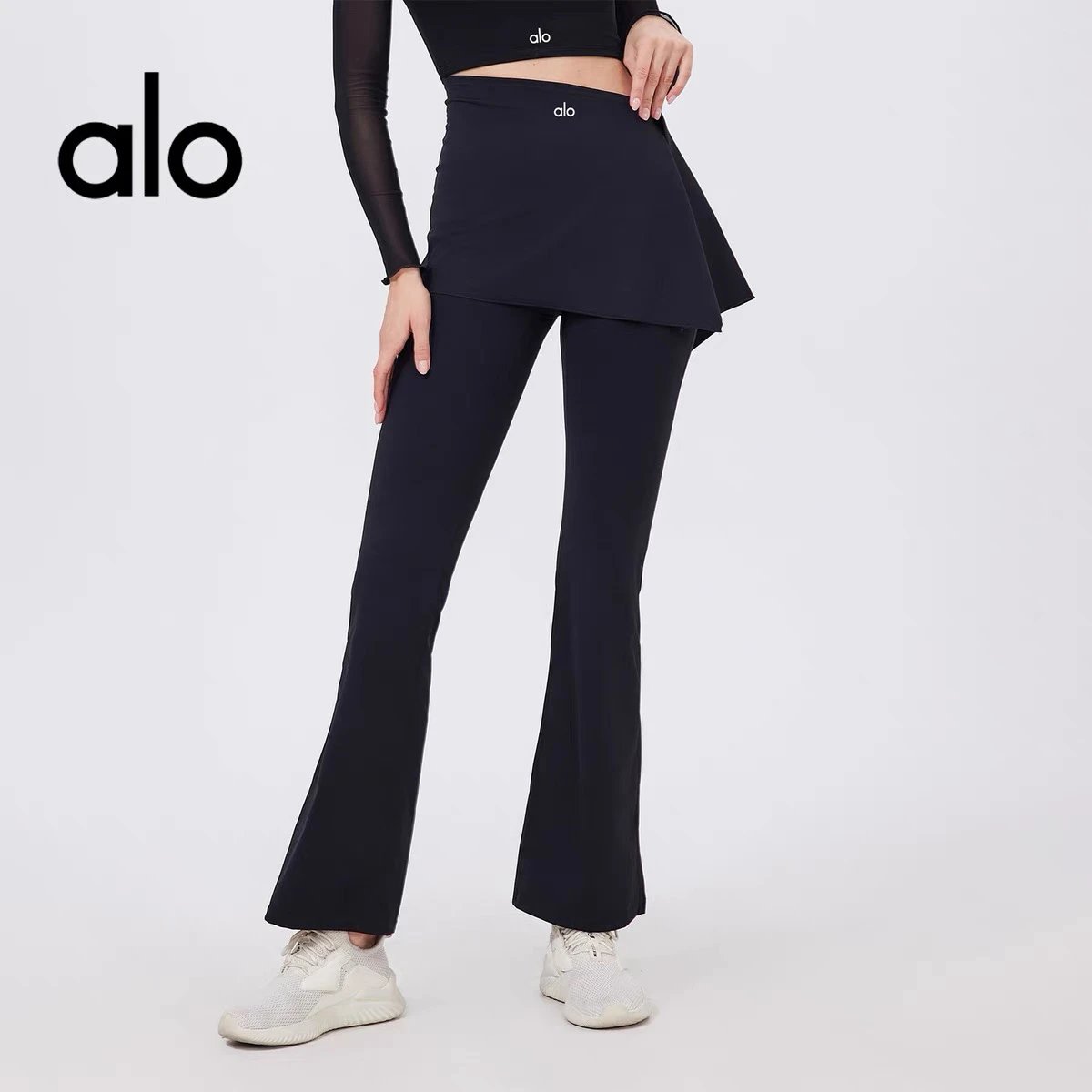
![CRTZ Shorts [36 styles]](https://si.geilicdn.com/open1862809525-1234478995-498400000196ca64a17a0a8133b0_1280_1280.jpg?imageMogr2/format/webp/thumbnail/400x400)
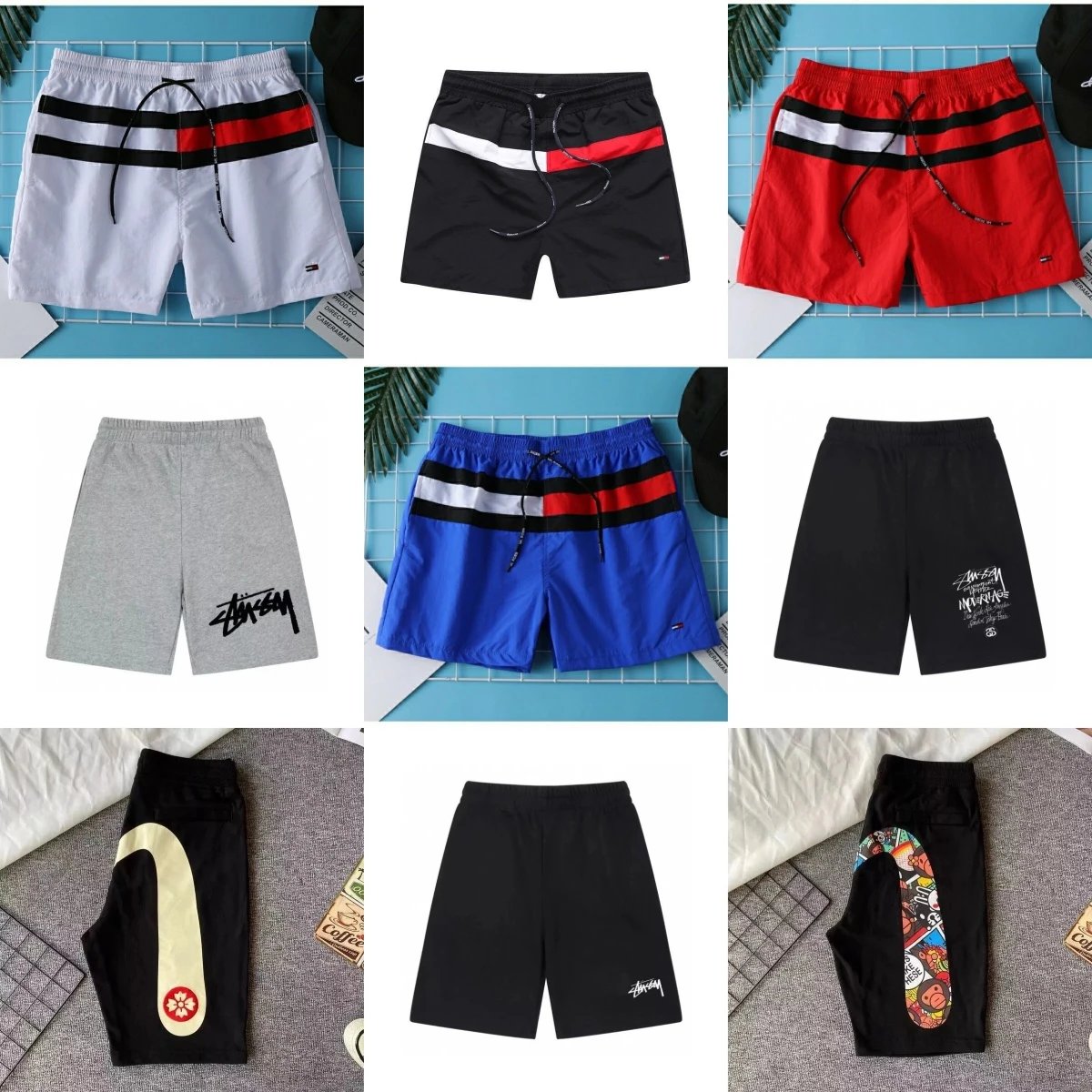
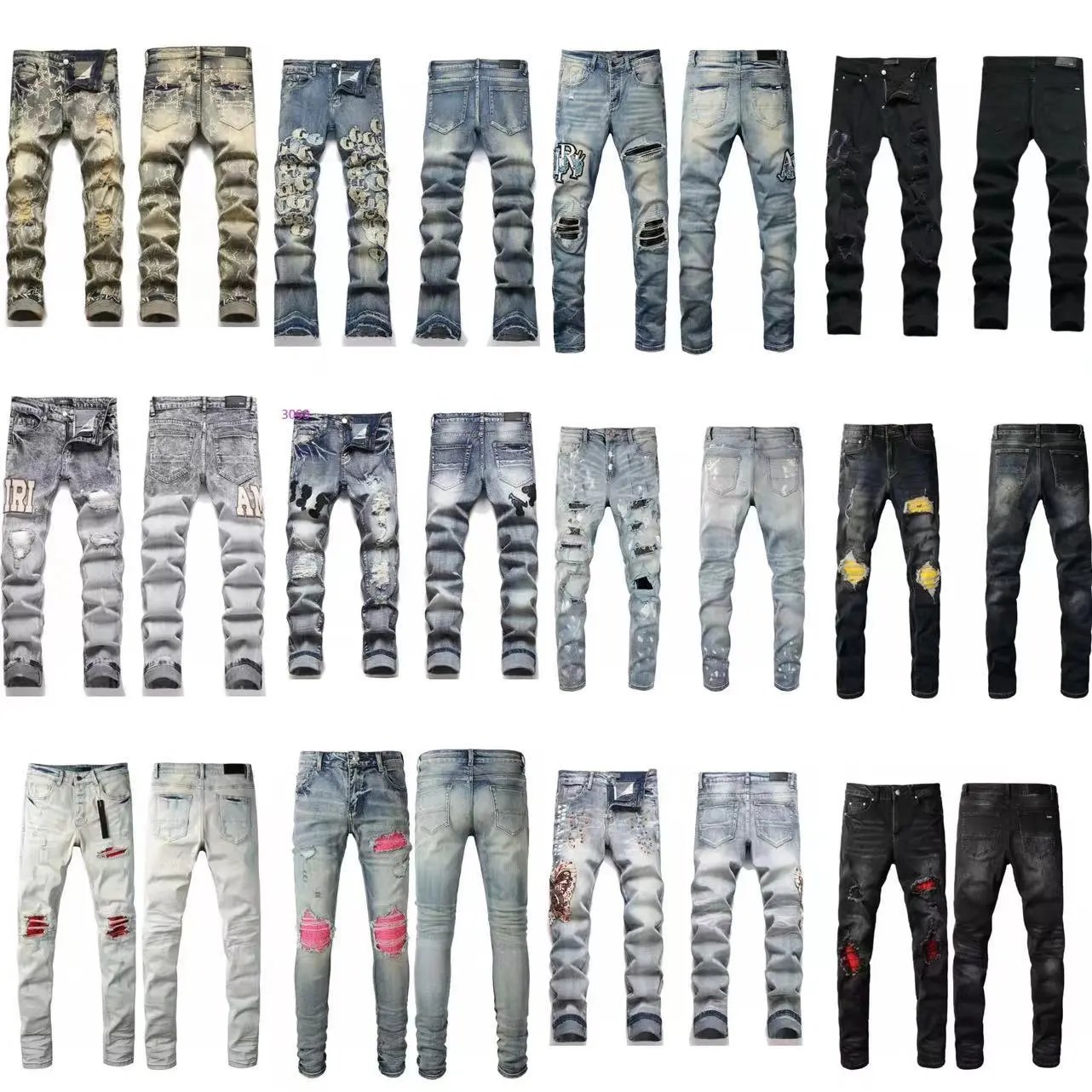
![AIMIRI Jeans [32 styles]](https://si.geilicdn.com/pcitem325532644-3ff40000019957a475730a20e2c5_1200_1200.jpg?imageMogr2/format/webp/thumbnail/400x400)
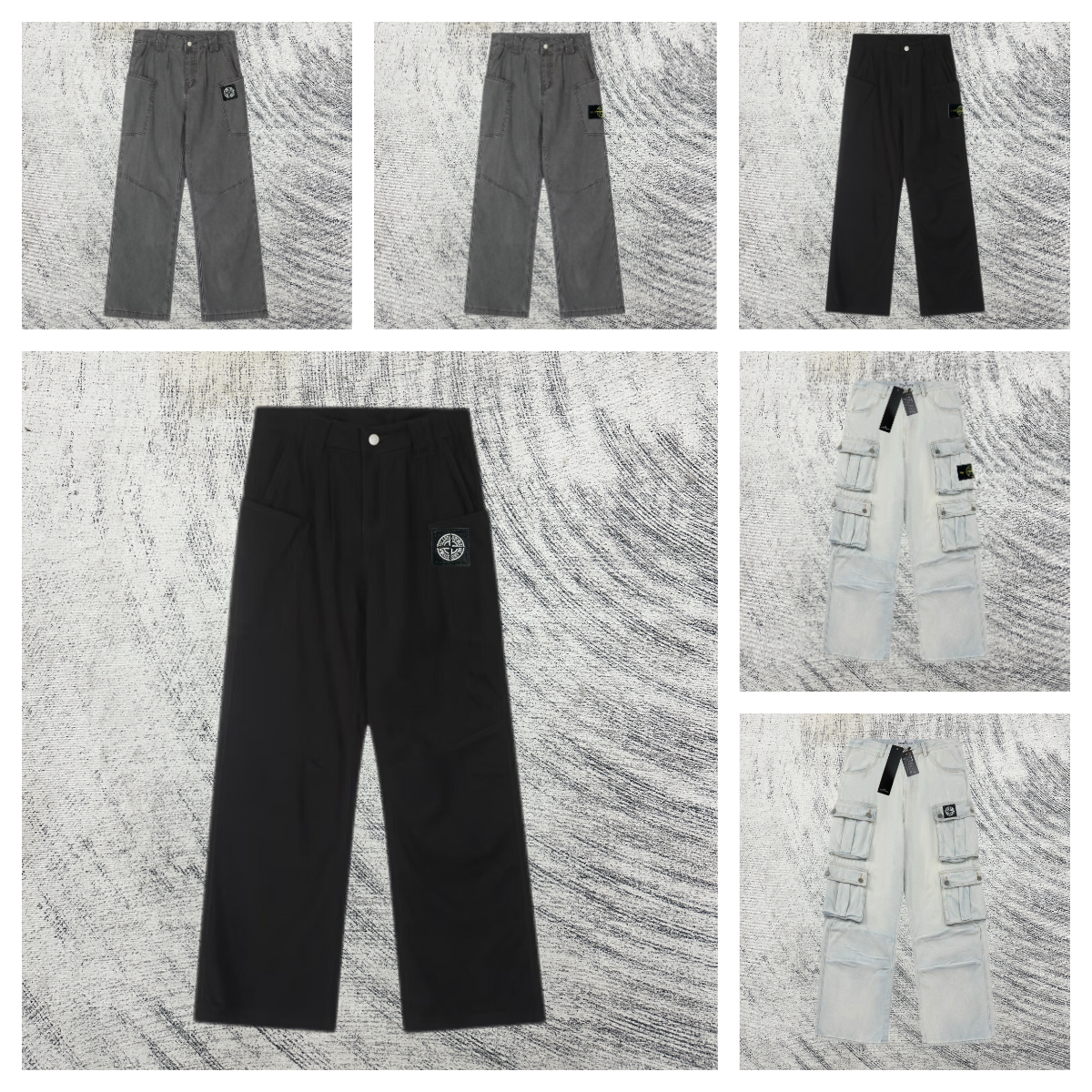
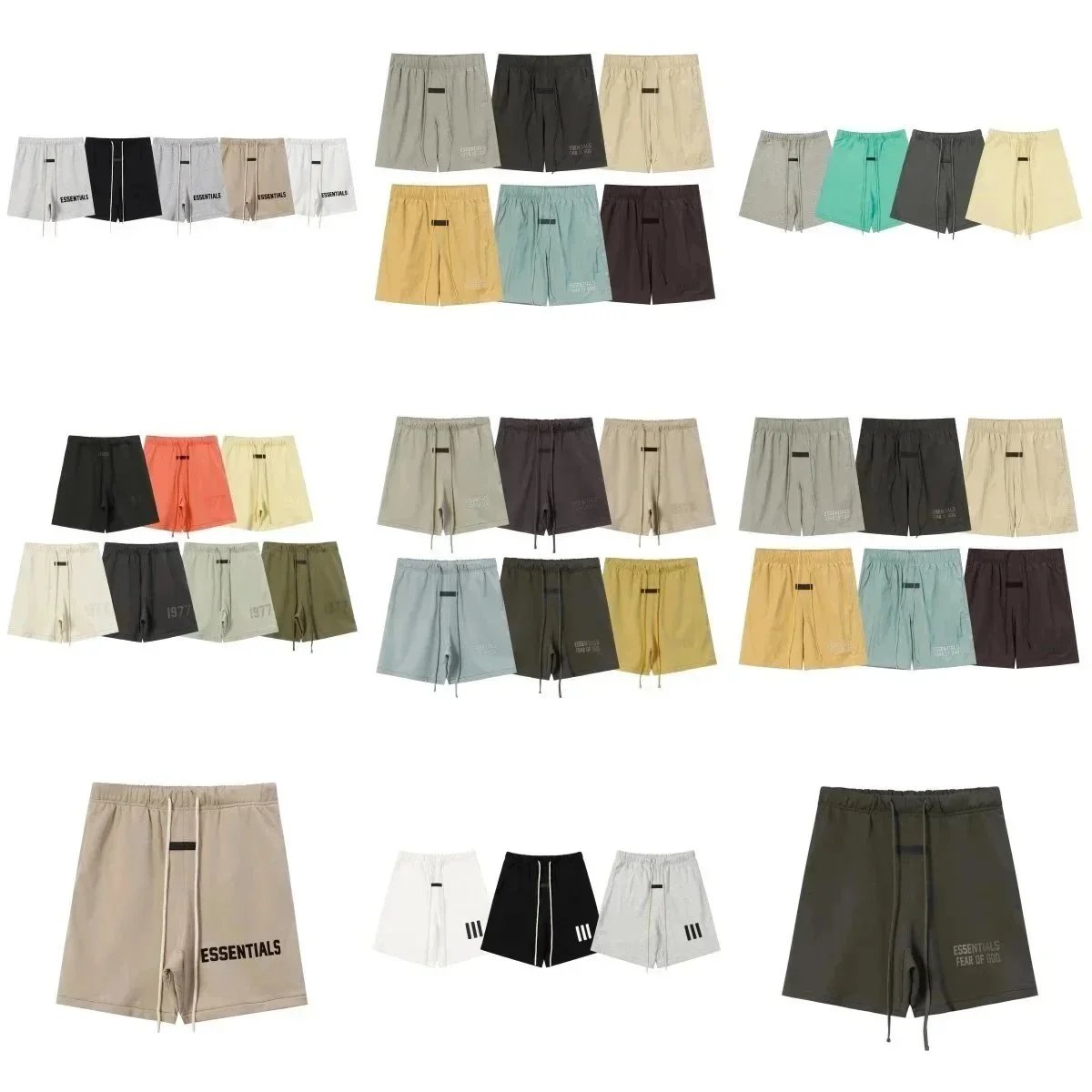
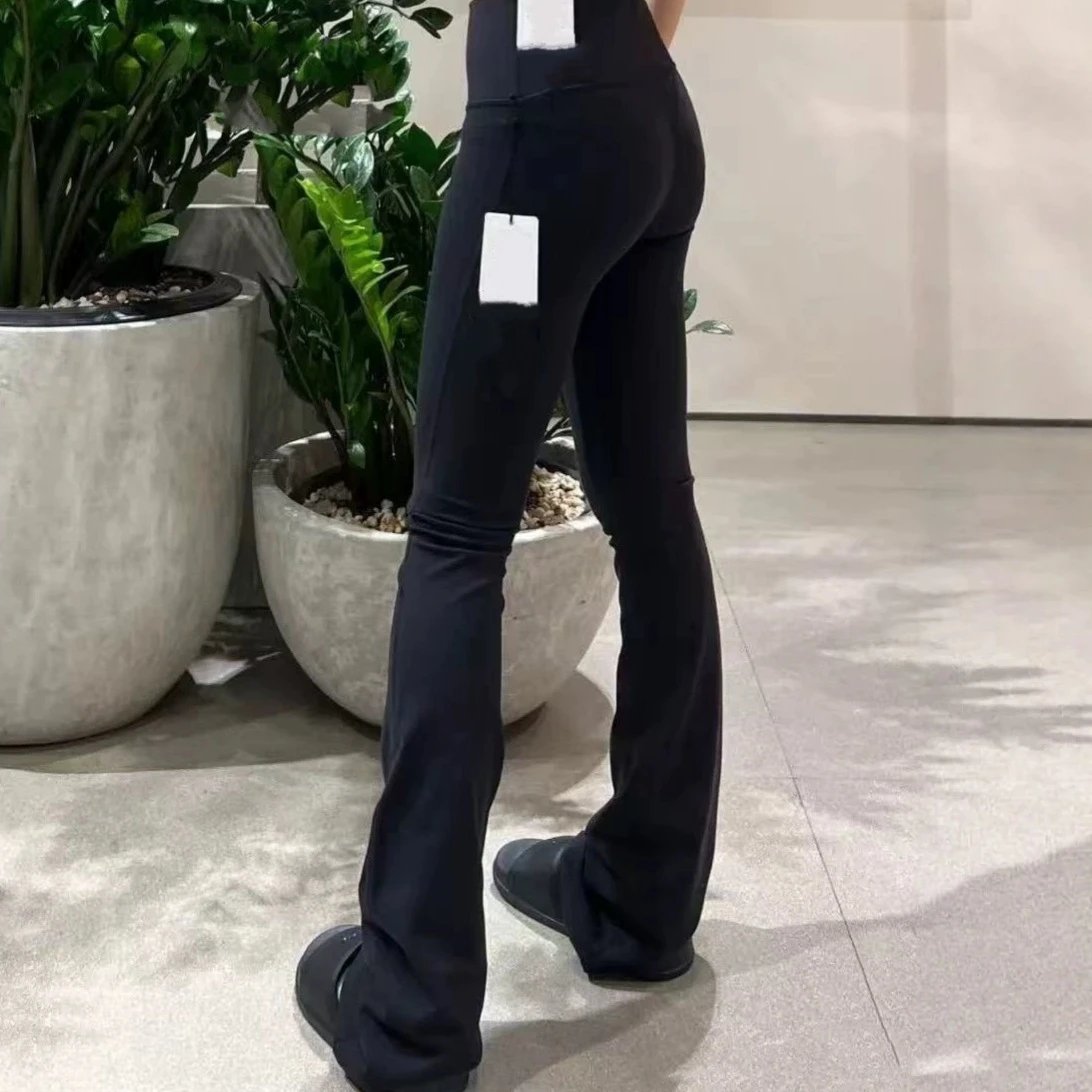


![Purple Brand Jeans [40 styles]](https://si.geilicdn.com/pcitem1898000828-49d900000196053664940a23038e_1500_1500.jpg?imageMogr2/format/webp/thumbnail/400x400)